

 Company Profile
 Social Responsibility
 Get A Quote
You see jaw crusher prices change for many reasons. Raw material costs have gone up by 5% to 8% this year. You should study prices carefully before you buy. This helps you avoid any surprises. Many people only look at the first price. But that is not the whole story. You need to compare the first cost with other costs over time. This will help you know the real cost. Use the table below to help you:
|
Cost Type |
Description |
|---|---|
|
Purchase Price |
The money you pay first for the jaw crusher. |
|
Maintenance |
Regular care, like oiling and changing parts. |
|
Downtime |
Lost work time when the crusher is not working. |
|
Energy Efficiency |
How much it costs to run, based on the model. |
|
Wear Parts |
Money spent to change parts that wear out. |
|
Productivity |
How well the machine works, which affects your profit. |
Tip: Do not just look at the first price. Think about all the costs before you choose.
-
It takes 8 to 12 weeks to make one.
-
In 2023, single toggle jaw crushers were 65% of the market. The mining sector used almost half of them.
Key Takeaways
-
Think about all costs, not just the price to buy. This means you should also look at maintenance, energy use, and downtime.
-
Pick a jaw crusher that saves energy. Electric models can help you save 50-70% on fuel costs. They use less fuel than diesel models.
-
Choose a brand that many people trust. Good brands give better help and quality. This can help you spend less on repairs and downtime.
-
Make a plan for regular maintenance and changing parts on time. This keeps your jaw crusher working well and helps it last longer.
-
Watch market trends and changes in seasons. If you buy when demand is low, you can get better prices.
Jaw Crusher Price Factors
Raw Material and Manufacturing Costs
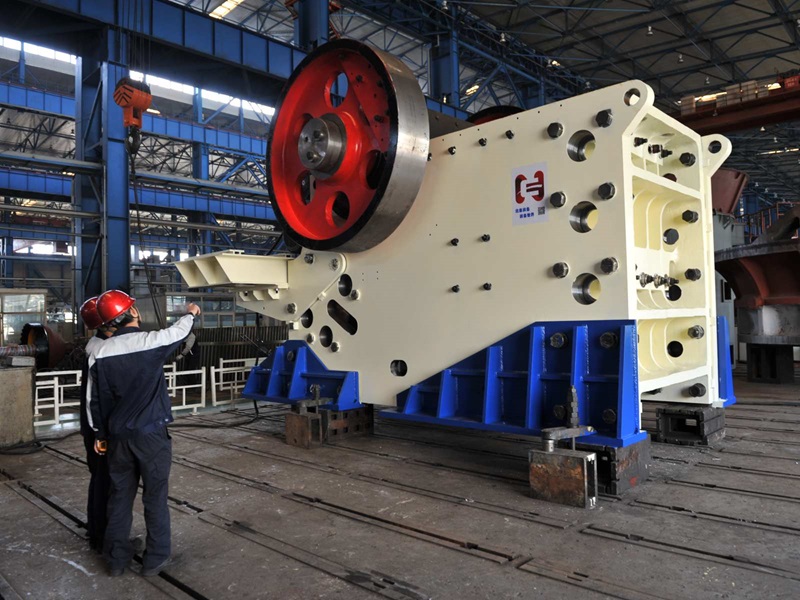
It is important to look at what materials are used in jaw crushers. High-manganese steel and chromium iron are used a lot. These metals help the crusher stay strong and last longer. If steel or other materials cost more, the price of the crusher goes up too. This means the jaw crusher price changes when material prices change. If you watch the market, you can see how these changes affect your money. Studying raw material costs helps you guess future prices and plan when to buy.
Size, Capacity, and Feed Opening
The size and capacity of a jaw crusher affect its price. Bigger machines with larger feed openings can crush more material. For example:
-
Large jaw crushers with a 1,200×1,500mm feed opening and a 400-800 tons per hour capacity cost much more than small ones with a 250x400mm feed opening and a 5-20 tons per hour capacity.
-
The price goes up as the size and capacity get bigger.
-
Bigger crushers need stronger parts, which makes them cost more.
You can compare different models by looking at their capacity and feed opening. The table below shows how the price changes with capacity for different models:
|
Model |
Capacity (t/h) |
Initial Price (USD) |
|---|---|---|
|
PE jaw crusher 900*600 |
150 |
~100,000 |
|
PE jaw crusher 900*75 |
240 |
~200,000 |
|
FTM1349HD125 |
650 |
~500,000 |
Material Quality and Technology
Material quality and technology also change the price of a jaw crusher. Crushers made with better materials last longer and work better. New technology, like hybrid drives and control systems, can make a big difference. Prices can be as low as $15,000 for small mobile crushers or over $2 million for big stationary ones. How fast the crusher works, how hard the material is, and new features all change the price.
Modern jaw crushers use new technology to save money. They use less power, need less oil, and their parts last longer. Some models, like the Metso Lokotrack Urban, are up to 60% quieter. Others use smart controls to keep the material moving and protect the machine. These features help you spend less money over time and make your work safer.
Tip: Pick crushers with energy-saving features and smart controls. These can help you spend less on running costs and get more value from your machine.
Brand Reputation
Brand reputation is important when you look at jaw crusher price and value. Well-known brands often give better help and higher quality. You should check brands by looking at:
-
How much material each crusher can handle.
-
How much energy it uses and how often it needs care.
-
If it fits your job, like if you need it to move or if you need it to be strong for mining.
A trusted brand might cost more at first, but it can save you money later. Good support and strong performance help you avoid expensive fixes and lost time.
Note: Always pick a crusher that fits your needs. Checking brands and models carefully helps you get the best deal for your money.
Jaw Crusher Cost Beyond Purchase
Maintenance and Wear Parts
You should think about more than just the first price. Maintenance and wear parts are a big part of what you spend later. Doing regular maintenance keeps your jaw crusher working well. This helps stop sudden problems and keeps your machine running longer. If you change worn parts on time, your jaw crusher works better. You also save money by not using too much energy. Replacing parts when needed helps your machine crush more rocks and use less power.
-
Regular care stops surprise breakdowns.
-
It helps your jaw crusher last longer.
-
Changing parts on time keeps it working well.
-
You can crush more and use less energy.
To keep costs down, you should:
-
Check for worn parts often.
-
Plan maintenance when the crusher is not busy.
-
Look at wear parts closely and measure them.
Energy Efficiency and Fuel Costs
How much energy your jaw crusher uses is important. Electric models use less fuel than diesel ones. You can save 50-70% on fuel with electric crushers. Diesel crushers can use 35 to 40 liters of fuel every hour. Electric crushers are much better at saving energy.
|
Model Type |
Efficiency |
Fuel Cost (litres/hour) |
|---|---|---|
|
Electric |
95% |
N/A |
|
Diesel |
45% |
35-40 |
Quarry Kit boss Niall Lenihan says: “It burns 10 to 12 liters of diesel an hour. My other machines use 35 to 40 liters an hour.”
When you pick a jaw crusher, look at how much energy it uses. Using less energy means you spend less money over time.
Downtime and Labor Expenses
Downtime and labor costs can make your jaw crusher more expensive. If your crusher stops working, you pay for repairs and workers. Even if your team is not crushing rocks, you still pay them during downtime. Too much downtime can lower your profits, especially if you crush a lot of rocks.
One time, someone found a motor problem early and spent $15,000 to fix it. This stopped a bigger problem that could have cost $75,000. Fixing things early can help you save money by stopping long breaks.
When you figure out the total cost, remember the first price is only a small part. Most costs come from running the crusher, like power, parts, workers, and fixing things. You should also think about moving, setting up, teaching workers, insurance, and checking the environment. Keep some extra money, about 10-20% of your project, for surprises.
Tip: Always add up jaw crusher costs for 10-15 years. This helps you see all the big costs and make a good choice.
Efficiency & Performance Impact
Throughput and Productivity
When you pick a jaw crusher, think about how much it can crush. If it crushes more material each hour, you finish jobs faster. This helps you make more money. The size of the jaw box matters a lot. Bigger jaw boxes can crush more tons per hour.
|
Jaw Box Size |
TPH Capacity |
|---|---|
|
20 X 30 |
Higher TPH |
|
10 X 16 |
Lower TPH |
|
10 X 19 |
Lower TPH |
If you choose a crusher that crushes less, you spend more time and energy. This makes each ton cost more and slows you down. Watch out for parts that wear out fast. If they do, you may have to stop working to fix them. This costs more money. Setting the right CSS helps your crusher work better and last longer.
|
Factor |
Impact on Profitability |
|---|---|
|
Low Throughput |
Makes each ton cost more because it takes longer to crush |
|
High Wear Rates |
Means you pay more to fix things and lose time |
|
Optimized CSS |
Helps crush more and keeps parts from wearing out too fast |
Operational Cost per Ton
Try to keep the cost for each ton as low as you can. This helps you save money and get better results. What you use the crusher for and its size changes how much you spend. Mining and big jobs usually cost more to run and fix. Making gravel or working on small jobs costs less.
|
Application Type |
Crusher Size/Capacity |
Typical Purchase Price Range |
Operating Costs |
Maintenance Costs |
|---|---|---|---|---|
|
Mining and Heavy-Duty |
500-1500 TPH |
$$$$ |
High |
Moderate to High |
|
Aggregate Production |
250-1000 TPH |
$$$ |
Moderate |
Moderate |
|
Small-Scale Construction |
50-300 TPH |
$$ |
Low |
Low |
You should feed the crusher the right way and set the CSS correctly. This helps it work better and cost less. Picking the best jaw plate material also helps the crusher use less energy.
|
Action |
Result |
|---|---|
|
Controlled Feed System |
Lets you crush more and keeps parts good |
|
Correct CSS Setting |
Makes the crusher work better and cheaper |
|
Appropriate Jaw Plate Material |
Helps the crusher use less energy |
Automation and Usability
Using automation and easy designs makes your crusher work better. Automation lets you watch your crusher all the time. It can tell you when to fix things before they break. Hydraulic systems and alerts help you fix problems fast. These things help you use less energy and pay less for workers. Your crusher will be more reliable and cost less to run.
-
Automation lets you check your crusher and fix things early.
-
Easy designs make fixing and changing parts simple.
-
Alerts tell you about problems right away.
-
These features help your crusher last longer and cost less to use.
Tip: For the best results, pick jaw crushers with smart controls and easy features. You will save energy and get more work done.
Market Dynamics and Regional Price Analysis
Supply, Demand, and Manufacturer Location
It is important to know how supply and demand affect jaw crusher prices. If lots of people want crushers, prices go up. If fewer people want them, prices go down. Where the factory is matters too. Buying from a factory near you means shipping costs are lower. Henan Province in China has most of the country’s jaw crusher factories. Factories there work together and share things, so prices are lower. Shanghai is known for making fancy crushers with new technology. These factories sell big machines to customers around the world.
-
You pay less for shipping if the factory is close.
-
Henan is good for cheaper prices and better teamwork.
-
Shanghai has special crushers for tough jobs.
Tip: Look at factories in different places. Picking the right location can help you save money and get what you need.
Economic Trends and Regional Variations
Changes in the economy make jaw crusher prices different in each area. Inflation and money changes can change your costs. When places like Asia Pacific grow fast, more people want crushers. Building more roads and buildings makes prices go up. In North America, rules about green technology and saving energy can make crushers cost more. But these rules help you follow local laws.
-
New rules and technology can change crusher prices.
-
Fast growth in China and India means more people want crushers and prices rise.
-
Renting equipment makes mobile crushers easier to afford.
-
More sellers mean buyers can find better deals.
Watch out for changes during the year. Prices go up in spring and summer when lots of building happens. In fall and winter, fewer people buy, so prices drop and delivery is faster. At the end of the year, companies give discounts to sell extra crushers.
|
Season |
Market Condition |
Buyer Advantage |
|---|---|---|
|
Spring/Summer |
Lots of people buying |
Higher prices, slower delivery |
|
Fall/Winter |
Fewer people buying |
Discounts, faster shipping |
|
Year-End |
Clearing out inventory |
Best deals, save money |
Note: Use market info to help you decide when to buy. Buying when demand is low or during year-end sales can help you get the best price.
ROI Considerations for Jaw Crushers
Calculating Total Cost and Value
You need to look at more than just the jaw crusher price when you plan your investment. The real value comes from understanding every jaw crusher cost over the life of the machine. You should add up the purchase price, maintenance, energy use, downtime, and wear part replacements. Many buyers make the mistake of focusing only on the first price. This can lead to higher costs later.
To get the best value, you should:
-
Schedule preventive maintenance. Regular checks and timely part replacements keep your crusher working and protect product quality.
-
Use the right wear parts for your material. This helps you avoid extra costs and keeps your crusher running smoothly.
-
Control the feed. Regulate how much material goes into the crusher to boost efficiency and reduce wear.
-
Use technology. Digital scales and production tracking software help you measure yield and profit.
-
Train your operators. Skilled workers can spot problems early and get the most out of your crusher.
Tip: Always calculate the total cost of ownership, not just the jaw crusher price. This helps you see the true value of your investment.
Balancing Upfront Cost with Long-Term Savings
You might feel tempted to choose the lowest jaw crusher price. However, you should think about how much you will spend over time. The total jaw crusher cost includes maintenance, downtime, energy, and wear parts. High-quality models often cost more at first, but they save you money in the long run.
Here are ways to balance upfront cost with long-term savings:
-
Pick durable equipment. Strong machines need fewer repairs and last longer.
-
Look for energy-efficient models. These crushers use less power and lower your bills.
-
Consider the total cost of ownership. Add up all expenses, including repairs and lost time.
-
Choose crushers with easy access for maintenance. Quick fixes mean less downtime and lower labor costs.
If you invest in premium equipment, you can save up to $175,000 each year in energy costs. You also keep more value when you sell your crusher. Premium models hold 55-60% of their value after five years, while cheaper ones keep only 30-35%. This shows why you should look beyond the first price.
Note: Investing in quality now can lead to big savings later. Always compare the total jaw crusher cost before you decide.
Maximizing ROI with Smart Choices
You want your investment to give you the best return. To maximize ROI, you should match your crusher to your job and use smart strategies. The table below shows what you need to consider:
|
Strategy |
Consideration |
|---|---|
|
Material hardness |
Pick the right crusher for the material you process. |
|
Production capacity |
Make sure the crusher meets your output needs. |
|
Power source |
Choose diesel or electric models based on your site. |
|
Portability |
Decide between wheeled or tracked models for your terrain. |
|
Maintenance requirements |
Select crushers with easy access for routine care. |
|
Budget |
Weigh upfront costs against long-term operating expenses. |
You should avoid common mistakes. Many buyers look only at jaw crusher price and forget about future costs. Advanced crushers can save you money on energy and repairs. They also keep their value better if you want to sell them later.
To get the most from your investment:
-
Match the crusher to your material and job size.
-
Choose models with smart controls and easy maintenance.
-
Train your team to spot problems early.
-
Track your production and costs with software.
-
Review your jaw crusher cost every year to find savings.
🚀 Smart choices today lead to bigger profits tomorrow. Always think about how each decision affects your total jaw crusher cost and ROI.
To get the most from your jaw crusher, follow these steps. First, check if the manufacturer has a good reputation. Read what other customers say about them. Next, look at the first price and what you will pay later. Think about which crusher gives you the best deal for your money. Try to talk about the price and see if you can get help paying for it. Make a plan for setting up the crusher and teaching your team how to use it.
Always think about all the costs, not just the first price. Remember to include setup, fuel, time when the crusher is not working, and help after you buy it.
Taking care of your crusher, working in a smart way, and buying from good places helps you earn more. Talking to experts or using special tools can give you advice that fits your needs. This helps you make smart choices and save money.
|
Financial Metric |
Jaw Crusher Advantage |
|---|---|
|
Total Cost of Ownership |
30-40% lower |
|
Residual Value |
60-70% after five years |
|
Wear Life |
2-3 times longer |



 IPv6 network supported