

 Company Profile
 Social Responsibility
 Get A Quote
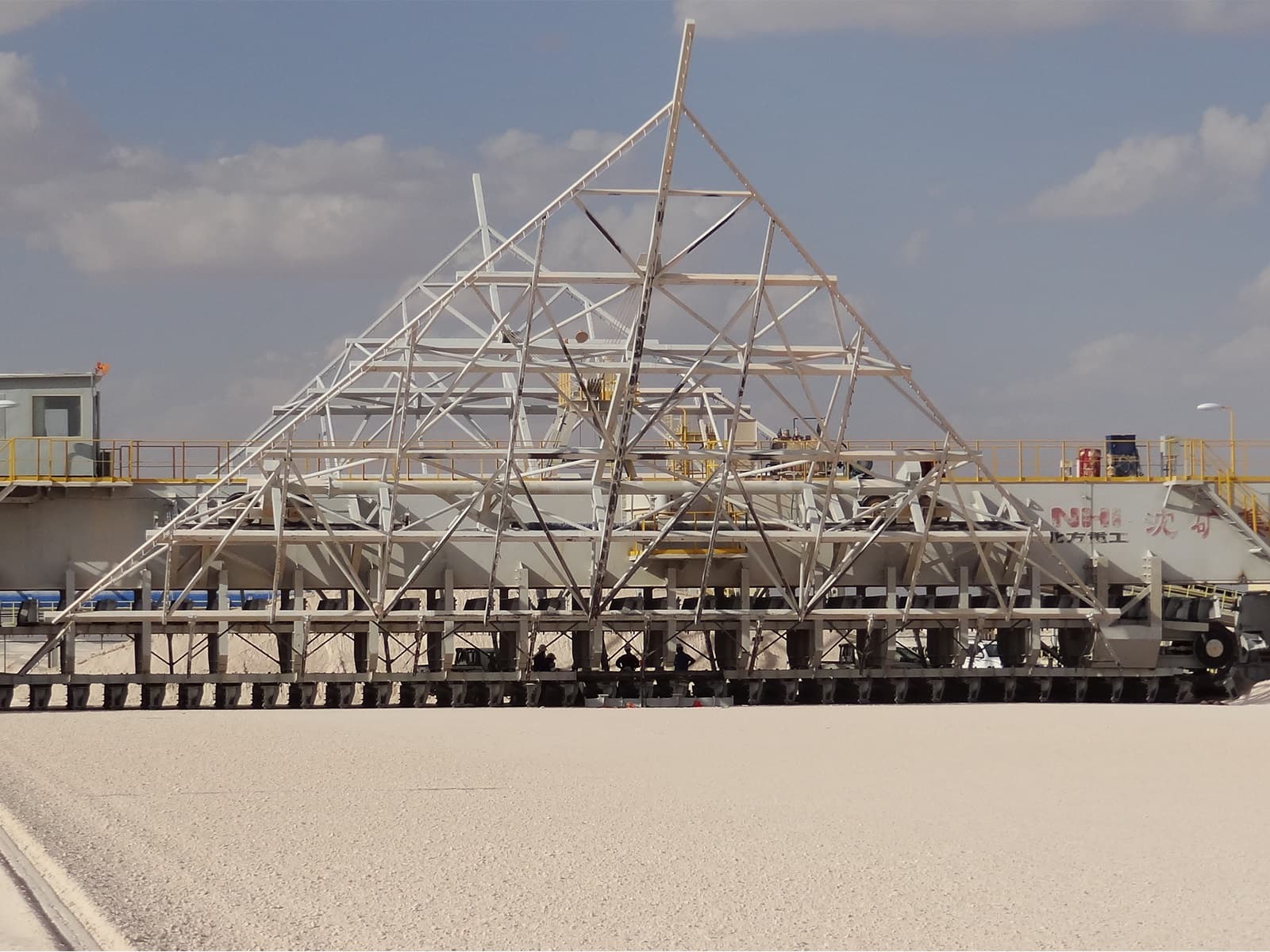
You usually pick a portal scraper reclaimer for more output and bigger stockpiles. You choose a bridge type scraper reclaimer for steady work and better mixing. Big companies help the market grow around the world. Think about what you need to make, how well you want to mix, your stockyard shape, and nhiglobalequip advice.
- The Asia-Pacific and North America areas want more bridge type scraper reclaimers.
- Top brands try to be the best in Bridge Type vs. Portal Scraper Reclaimer choices.
Key Takeaways
- Pick a bridge type reclaimer for steady jobs and good mixing. This type works well in cement and steel factories. - Use a portal scraper reclaimer if you must move lots of material fast. It is good for mining and power plants. - Think about your stockyard shape and material type before you choose a reclaimer. This helps the machine work well and fits what you need.
Bridge Type vs. Portal Scraper Reclaimer: Key Differences
Structure and Design
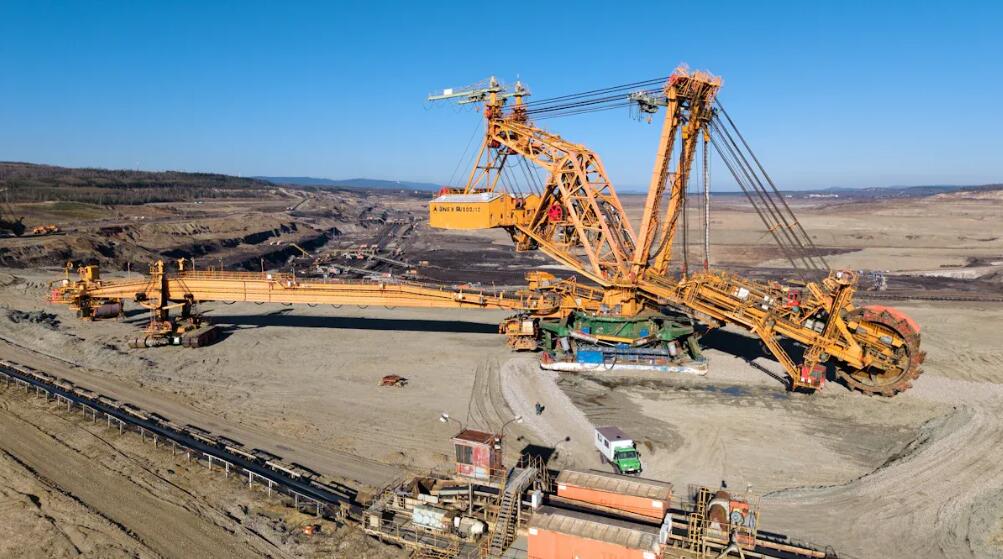
There are big differences in how these machines look and work. Bridge type reclaimers have a bridge that goes sideways. Chain scrapers are attached to the bridge. The bridge moves on rails. Portal scraper reclaimers have one long arm called a boom. The boom moves slowly and covers large piles. You can see their main features in the table below:
| Feature | Bridge Type Scraper Reclaimer | Portal Scraper Reclaimer |
|---|---|---|
| Operational Mechanism | Chain scrapers on a horizontal bridge | Single boom with scraper |
| Structural Configuration | Bridge on rail tracks | Single long boom |
| Motion | Linear travel along bridge | Slower movement of scraper |
| Speed | Steady and slow | Slower than bucket wheels |
| Reclaiming Capacity | Lower capacity | Higher capacity |
| Wear on Components | Greater wear on bucket wheel parts | Less wear on scraper parts |
Bridge type reclaimers are good for mixing and steady work. Portal scraper reclaimers handle bigger piles and need less fixing.
Operation and Capacity
You should think about how much you want to move. Bridge type reclaimers are best for mixing materials. They take material from the end of the pile. Portal scraper reclaimers can take material from any part of the pile. This means they are more flexible and can work faster.
Here is a table that shows how much each type can move:
| Reclaimer Type | Capacity (tons per hour) |
|---|---|
| Portal Scraper Reclaimer | Up to 4,000 |
| Bridge Type Reclaimer | 50 - 3,000 |
| Circular Scraper Reclaimer | Up to 6,000 |
- Portal scraper reclaimers can move up to 4,000 tons every hour.
- Bridge type reclaimers usually move between 50 and 3,000 tons each hour.
Pick a portal scraper if you need to move lots of material fast. Bridge type reclaimers are better for steady work and mixing.
Typical Applications
You find both types in many places. Bridge type reclaimers help mix and blend materials. You see them in cement plants, steel mills, and power plants. They keep the supply steady and mix things well.
Portal scraper reclaimers work where you need to move a lot and have big piles. You see them in mining, power plants, cement factories, fertilizer, wood processing, and sinter plants. They handle things like coal, limestone, ores, and fertilizers.
| Industry | Bridge Type Reclaimer Application | Portal Scraper Reclaimer Application |
|---|---|---|
| Mining | Easy access and dust control in storage areas | Reclaiming ores and minerals from large stockpiles |
| Cement | Steady supply to raw mills, even in bad weather | Managing limestone and clinker |
| Power Generation | Moving coal and biomass to boilers for continuous fuel | Handling coal, limestone, and gypsum |
| Steel | Mixing iron ore and limestone with automated controls | Handling sinter, iron ore, and additives |
| Building Materials | Even mixing and high throughput using scraper blades | Operating in covered raw material storage facilities |
| Fertilizer Industry | Not common | Handling urea and ammonium nitrates |
| Wood Processing | Not common | Managing woodchips and wood-based materials |
| Circular Storages | Not common | Efficient reclaiming in circular storage facilities |
The choice between Bridge Type and Portal Scraper Reclaimer depends on your job and what you need. If you want better mixing, pick bridge type. If you need to move a lot and want more options, pick portal scraper.
Advantages and Disadvantages
Bridge Type Pros and Cons
A bridge type reclaimer gives strong mixing and steady work. This machine is good for blending materials. It helps keep your feed the same every time. The table below shows the main good points:
| Advantage | Description |
|---|---|
| Uniform Reclaiming Pattern | You get good mixing, which keeps feed even. |
| Reduced Fluctuation in Properties | You make your product better by lowering changes in the material. |
| Controlled Reclaiming Rates | You keep a steady feed, so output stays the same. |
Bridge type reclaimers also have some bad sides. They do not move as much material as portal scrapers. These machines need more room to set up. You may spend more time fixing them because they have many moving parts.
Tip: If you want better mixing and steady work, bridge type reclaimers are best for you.
Portal Scraper Pros and Cons
Portal scraper reclaimers help you handle wide piles and move lots of material fast. You can use them for many kinds of materials. This makes your job easier. Here are the main good things:
- You can move up to 4,000 tons each hour.
- You can work with many materials and save money.
- The closed design helps keep dust and waste down.
There are some problems with portal scraper reclaimers. The table below shows common issues:
| Challenge Type | Description |
|---|---|
| High capital costs | You need a lot of money to buy and upgrade equipment. |
| Technical integration complexities | It can be hard to connect new machines to your old ones. |
| Evolving regulatory standards | You must follow new laws and rules. |
| Supply chain disruptions | You might not get parts on time. |
| Skills gap | You need trained workers to use and fix these machines. |
| Resistance to change | Some people may not want to use new machines. |
| Market volatility | Prices can change and make choices harder. |
When you look at Bridge Type vs. Portal Scraper Reclaimer, you see both have good and bad sides. Your choice depends on what is most important for your work.
Performance and Blending Quality
Continuous Operation
You want your reclaimer to work well and save time. There are big differences between the two types. Portal scraper reclaimers move more material faster. They do not leave leftover material in the stockyard. Bridge type reclaimers work slower. They leave about 8% of the material behind. Portal scrapers do not wear out their parts as much. This means you fix them less often. The table below shows how each type works:
| Feature | Portal Scraper Reclaimer (PSR) | Bridge Type Reclaimer (BWBR) |
|---|---|---|
| Reclaiming Capacity | 33% higher than BWBR | Lower than PSR |
| Residual Material | No residual material | Approx. 8% residual material |
| Time Efficiency | Saves 23% in time | Longer operation time |
| Wear on Components | Less wear on scraper parts | Greater wear on bucket wheel parts |
| Operational Cycle Duration | 64% longer than BWBR | Shorter operational cycle |
Tip: If you want fast work and less leftover material, portal scraper reclaimers are better.
Blending Capabilities
You want your machine to mix materials well. Good mixing keeps your product the same every time. Bridge type reclaimers mix things very well. They take slices from the whole pile. This helps mix everything evenly. You get steady output that is easy to control. You also need less space in your shed. How you stack your material changes how well it mixes. More layers help mix better.
- The machine mixes well because it takes slices from the whole pile.
- The output rate stays steady and is easy to control.
- You need only a small area inside the shed.
When you compare Bridge Type and Portal Scraper Reclaimer, think about what you need most. If you want the best mixing, bridge type reclaimers are a good choice.
Maintenance and Reliability
Maintenance Needs
You must take care of your reclaimer to stop breakdowns. Both bridge type and portal scraper reclaimers need regular checks. The jobs you do for each one are not always the same. Portal scraper reclaimers often have problems with chain tension, scraper blade breaks, and electrical issues. The table below shows the most common problems and how to fix them:
| Maintenance Issue | Cause | Solution |
|---|---|---|
| Chain Tension and Wear | Poor lubrication, misalignment | Inspect often, lubricate, adjust tension, replace worn chains |
| Scraper Blade Damage/Misalignment | Weak material, track issues | Use strong blades, check tracks, add protective screens |
| Bridge Skewing/Instability | Uneven drive, foundation shift | Calibrate motors, inspect structure, realign bridge |
| Electrical/Control Faults | Dust, overloads | Use dust-proof cabinets, add surge protection, update software |
| Hydraulic Failures | Worn seals, dirty fluid | Keep oil clean, check hoses, monitor pressure |
| Noise or Vibration | Loose bolts, worn bearings | Tighten bolts, lubricate, replace bearings, analyze vibration |
You can stop many problems if you follow a good maintenance plan. Always look for loose bolts, worn parts, and dust. Oil moving parts and keep the area clean.
Reliability Factors
You want your reclaimer to work well every day. Bridge type reclaimers have more moving parts. This means they might need more care. Portal scraper reclaimers have a simpler design. They can be more reliable if you keep up with checks. Dust, bad weather, and heavy loads can hurt both types. Teach your team to find problems early. Fast repairs and regular checks help stop big breakdowns.
Tip: If you take care of your reclaimer, it will last longer and cost less to fix.
Layout and Space Considerations
Stockyard Compatibility
You should look at your stockyard’s shape before you pick a reclaimer. Bridge type reclaimers work best in long and straight stockyards. You see them in places with simple layouts and rails that do not curve. These machines need enough room for the bridge to move across the pile. If your stockyard is simple, you can put in a bridge type reclaimer without trouble.
Portal scraper reclaimers give you more choices. You can use them in stockyards with strange shapes or small spaces. These machines can fit different layouts by using special ways to stack and take out material. For example, you can use on-ground travelling stackers if you cannot build a strong roof. Circular buffer storage also helps you save space. You keep bulk material against a wall and control it from a center column. This setup makes fixing things easier and helps you use your space better.
Tip: If your stockyard is not a normal shape or space is small, portal scraper reclaimers are more flexible.
Installation Flexibility
You want a reclaimer that fits your site without big changes. Bridge type reclaimers need strong bases and straight tracks. You must plan your stockyard well before you put one in. These machines work best in new places or where there is lots of room.
Portal scraper reclaimers let you set up equipment in more ways. You can put them in open spots, under light roofs, or inside round storage buildings. You do not need to change your stockyard much. This flexibility helps you save time and money when you install them.
| Reclaimer Type | Best for Stockyard Shape | Installation Needs |
|---|---|---|
| Bridge Type | Straight, regular | Strong foundation, rails |
| Portal Scraper | Irregular, circular | Flexible, less groundwork |
You should pick a reclaimer that matches your stockyard and how you want to install it. This helps you get the best use out of your equipment.
Decision Factors
When you pick a reclaimer, you need to think about a few things. This part helps you choose by showing what matters most.
Material Type
You should know what material you want to move. Some reclaimers work better with certain materials. If you handle powders or want less dust, enclosed conveyors help you. Drag conveyors are good for heavy and rough materials. Cantilever chain reclaimers use long booms and a truss to collect material well.
Here is a table that shows which reclaimer works for each material:
| Reclaimer Type | Application Description |
|---|---|
| Enclosed Conveyors | Good for powders and dust control |
| Drag Conveyors | Best for heavy, abrasive materials |
| Cantilever Chain Reclaimers | Collects material with long booms and truss system |
If you work with lumpy or grainy materials, bucket wheel reclaimers move a lot and work steadily. Stacker reclaimers are good for powdery materials and help you stack and take them out easily.
| Reclaimer Type | Suitable Material | Operational Requirement |
|---|---|---|
| Bucket Wheel Reclaimer | Lumpy and granular | High capacity and continuous operation |
| Stacker Reclaimer | Powdery | Efficient stacking and retrieval |
Tip: Always match your reclaimer to the material you use. This keeps your work safe and smooth.
Capacity Requirements
You need to know how much material you want to move each hour. Bridge type scraper reclaimers can move up to 1,600 tons every hour. Portal scraper reclaimers have many choices, from 50 tons up to 8,000 tons per hour. If you need to move lots of material fast, portal scraper reclaimers give you more options.
- Bridge type scraper reclaimer: Can move up to 1,600 tons per hour.
- Portal scraper reclaimer: Can move 50, 100, 150, 200, 250, 300, 400, 500, 750, 1,000, 1,200, 1,500, 1,800, 2,000, and up to 8,000 tons per hour.
Note: Pick a reclaimer that matches how much you need to make. If you want high output, portal scraper reclaimers are a good choice.
Industry Needs
Your industry changes which reclaimer is best. Cement plants need stackers and reclaimers to keep work steady. Mining sites often use portal scraper reclaimers for big piles and quick work. Steel mills and power plants may need bridge type reclaimers for better mixing and steady supply.
Here is a checklist to help you match your industry to the right reclaimer:
- Cement: Needs steady flow and mixing. Stackers and bridge type reclaimers work well.
- Mining: Needs high capacity and flexibility. Portal scraper reclaimers fit best.
- Power Generation: Needs steady fuel supply. Both types work, but portal scrapers handle bigger piles.
- Steel: Needs mixing and even supply. Bridge type reclaimers help with blending.
Tip: Look at what your industry needs every day before you choose. This helps you avoid problems and keeps your plant working.
Budget Considerations
You need to think about your budget. Bridge type scraper reclaimers may cost more at first, but you save money later because they need less fixing and use less energy. Portal scraper reclaimers can cost less to buy, but you might spend more on repairs and upgrades later. Automation in reclaimers helps you save money by making your work faster and easier.
Here is a simple list to help you with your budget:
- Bridge type scraper reclaimer: Costs more at first, but less to fix and run later.
- Portal scraper reclaimer: Costs less at first, but may cost more to fix and upgrade.
- Automated reclaimers: Save money by needing less work and less downtime.
Tip: Think about both the price now and the costs later. Sometimes paying more at first saves you money in the long run.
Decision Checklist
Use this checklist to help you pick the right reclaimer:
- What material do you use most? (Powder, lump, rough, sticky)
- How much material do you need to move each hour?
- What does your industry need for mixing, stacking, or reclaiming?
- How much can you spend now and later?
- What is the shape and size of your stockyard?
- Do you need automation or special features?
When you compare Bridge Type vs. Portal Scraper Reclaimer, look at your answers to these questions. This helps you choose the best machine for your job.
Quick Reference Table
You want to pick the right reclaimer. This table helps you compare bridge type and portal scraper reclaimers. It shows their main features, good points, and weak points.
| Feature / Factor | Bridge Type Scraper Reclaimer | Portal Scraper Reclaimer |
|---|---|---|
| Best For | Steady output, strong blending | High capacity, wide stockpiles |
| Reclaiming Capacity | Up to 3,000 tons/hour | Up to 8,000 tons/hour |
| Blending Quality | Excellent | Good |
| Stockyard Fit | Straight, regular layouts | Flexible, irregular layouts |
| Installation Needs | Strong foundation, straight rails | Less groundwork, more flexible |
| Maintenance | More moving parts, higher upkeep | Simpler design, easier upkeep |
| Material Types | Powders, fine materials | Ores, coal, bulk materials |
| Initial Cost | Higher | Lower |
| Long-term Cost | Lower (less energy, less repair) | Can be higher (more repairs) |
| Typical Industries | Cement, steel, power plants | Mining, fertilizer, wood, cement |
| Automation | Easy to automate | Easy to automate |
Pros and Cons at a Glance
Bridge Type Pros:
- Mixes well
- Keeps feed steady
- Helps control dust
Bridge Type Cons:
- Moves less material
- Needs lots of space
- Has more parts to fix
Portal Scraper Pros:
- Moves lots of material
- Fits many stockyards
- Works with many materials
Portal Scraper Cons:
- Wears out faster in hard jobs
- Repairs can cost more
- Needs trained workers
Tip: Use this table to help you choose. Think about your material, your space, and how much you need to move each hour.
If you want steady work and good mixing, pick a bridge type reclaimer. If you need to move a lot and have big piles, choose a portal scraper reclaimer. Here is a simple checklist:
- Find out what kind of material you have
- Look at how your stockyard is shaped
- Decide how much you need to move
If your project is tricky, ask equipment experts for help.
FAQ
What is the main difference between bridge type and portal scraper reclaimers?
Bridge type reclaimers mix materials well. Portal scraper reclaimers move more material and fit many stockyard shapes.
How do I know which reclaimer fits my stockyard?
Check your stockyard’s shape first. Bridge type reclaimers work in straight layouts. Portal scraper reclaimers fit odd or round layouts.
Can I automate both types of reclaimers?
You can use automation with both types. Automation makes work safer, easier, and helps control output.



 IPv6 network supported