

 Company Profile
 Social Responsibility
 Get A Quote
The stacker reclaimer industry is evolving rapidly, influenced by Future Trends that emphasize the use of digital tools, automation, and sustainable practices.
-
New technology like IoT and machine learning enables real-time monitoring of machines, allowing for proactive problem-solving before issues arise.
-
Combined stacker reclaimers are gaining popularity due to their enhanced efficiency and lower maintenance costs.
-
An increasing number of mining companies, particularly in developing nations, are adopting these advanced machines.
|
Impact Type |
Description |
|---|---|
|
Industrial Modernization |
Companies are updating their systems to stay ahead of the competition in line with Future Trends. |
|
Process Optimization |
Smart tools simplify the control and monitoring of operations, aligning with emerging Future Trends. |
|
Innovation |
New ideas and tools are essential for vendors to continue improving their products in response to Future Trends. |
|
Application Scope Expansion |
Automation and data tools enable machines to perform a wider range of tasks, reflecting the Future Trends in the industry. |
|
Regulatory Support |
Supportive regulations facilitate market growth across various sectors, in tune with Future Trends. |
These new trends are empowering industry professionals to enhance their performance and maintain competitiveness in a rapidly changing landscape.
Key Takeaways
-
Automation and AI help stacker reclaimers work better. They cut down on machine stops and lower repair costs.
-
Digital tools let people watch machines from far away. This makes work safer and helps keep materials good.
-
Safety upgrades like dynamic braking and two HMI screens make machines more reliable. They also keep workers safer.
-
Being eco-friendly is very important now. Companies need to use green methods to follow rules.
-
The stacker reclaimer market is getting bigger fast. More people want automation and better technology.
Future Trends in Stacker Reclaimers
Automation & AI Integration
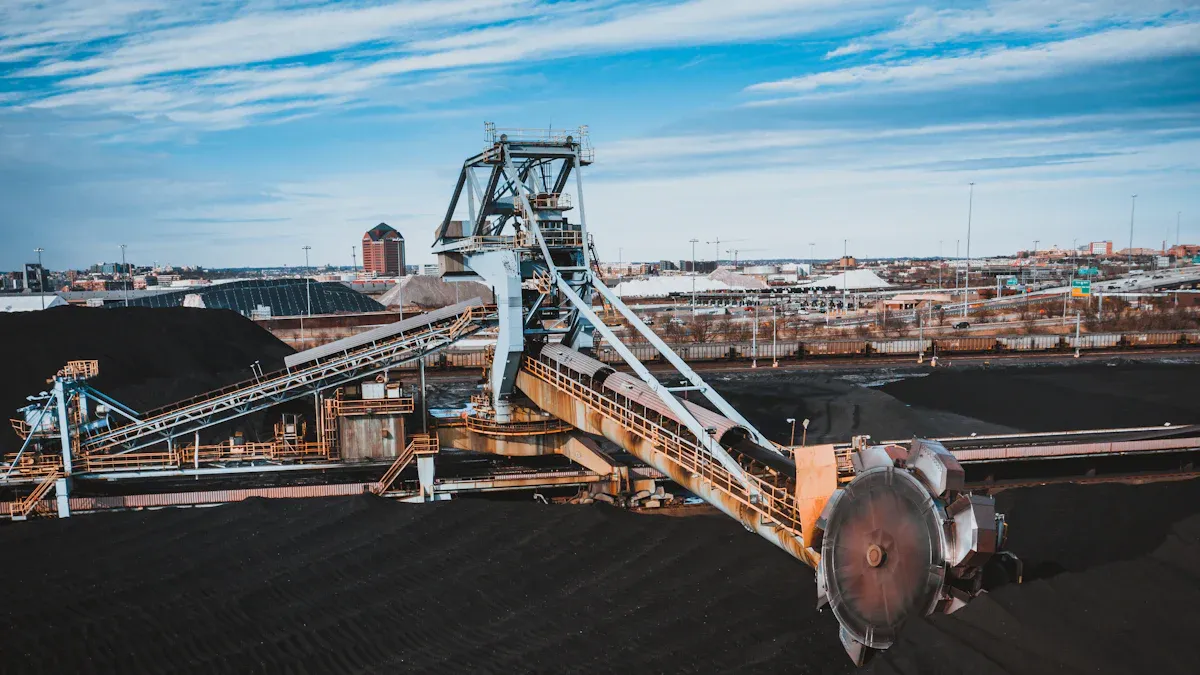
Stacker reclaimers are changing because of automation and ai. Companies use new technology to make bulk material handling better. Automation lets machines work with little help from people. AI systems look at sensor data and can spot problems before they happen. Machine learning helps plan stacking and reclaiming, so work is faster and there is less downtime. Visual recognition checks material levels and finds problems right away. These changes help companies move materials well and save money.
-
AI helps fix machines before they break, so they last longer and cost less to repair.
-
Automation means fewer mistakes and machines last longer.
-
Visual recognition gives workers the right material levels.
-
Software platforms help manage machines and make work better.
-
AI and IoT together let workers watch machines and fix problems quickly.
The stacker reclaimer market is growing fast. Higher labor costs and strict safety rules make companies spend more on automation. Companies get better results, use less energy, and follow rules more easily. Experts think automation will keep changing how stacker reclaimers and bulk material handling systems are made.
Digitalization in Operations
Digitalization is changing how stacker reclaimers work and are taken care of. Workers use digital tools to check machines from far away. This makes it easier to control and watch machines, even if you are not close by. Automated checks mean fewer mistakes and more work gets done. Digitalization also keeps material quality the same and makes work safer because machines can go where it is dangerous.
|
Benefit |
Description |
|---|---|
|
Reducing human errors |
Automation cuts down on mistakes, so work is more reliable. |
|
Enhancing safety |
Machines can work in dangerous places, so people are safer. |
|
Optimizing material quality |
Automation keeps material handling the same, so quality is better. |
|
Increasing productivity |
Automated checks and controls mean more work and higher output. |
|
Enabling remote operation |
Workers can control machines from far away, which saves money and makes work better. |
Digitalization helps companies use less energy and make less waste. Companies that use digital tools for bulk material handling do better than others. These changes show that people want better technology and ways to move materials.
Safety Upgrades & Dynamic Braking
Safety is very important in stacker reclaimer design. New safety features and dynamic braking make machines safer and work better. Dynamic-braking upgrades help machines stop more exactly and keep parts from wearing out. Hoist encoders are being swapped for inclinometers, which give better boom angle readings. PLC updates make machines work like new.
|
Safety Upgrade / Technology |
Description |
|---|---|
|
Dynamic-braking upgrade |
Makes machines safer, gives better control, and keeps parts from wearing out. |
|
Hoist encoders replacement |
Inclinometers give better boom angle readings. |
|
PLC updates |
Makes machines work to the newest standards. |
|
Dual HMI screens |
One screen for the reclaimer and one for the stacker, so workers can watch both and make fewer mistakes. |
|
Dynamic-braking resistors |
Makes brakes stronger and safer, so there are fewer pile crashes and less need for fixes. |
These new features help stacker reclaimers and bulk material handling systems stay safe. Companies that add safety upgrades follow rules and keep workers safe. The market likes new safety ideas, which helps companies grow and use less energy.
Note: Companies that use automation, digital tools, and safety upgrades will grow more in the stacker reclaimer market. These changes will make the next group of bulk material handling systems better.
Trends Analysis in Bulk Material Handling Systems
Market Growth & Demand Drivers
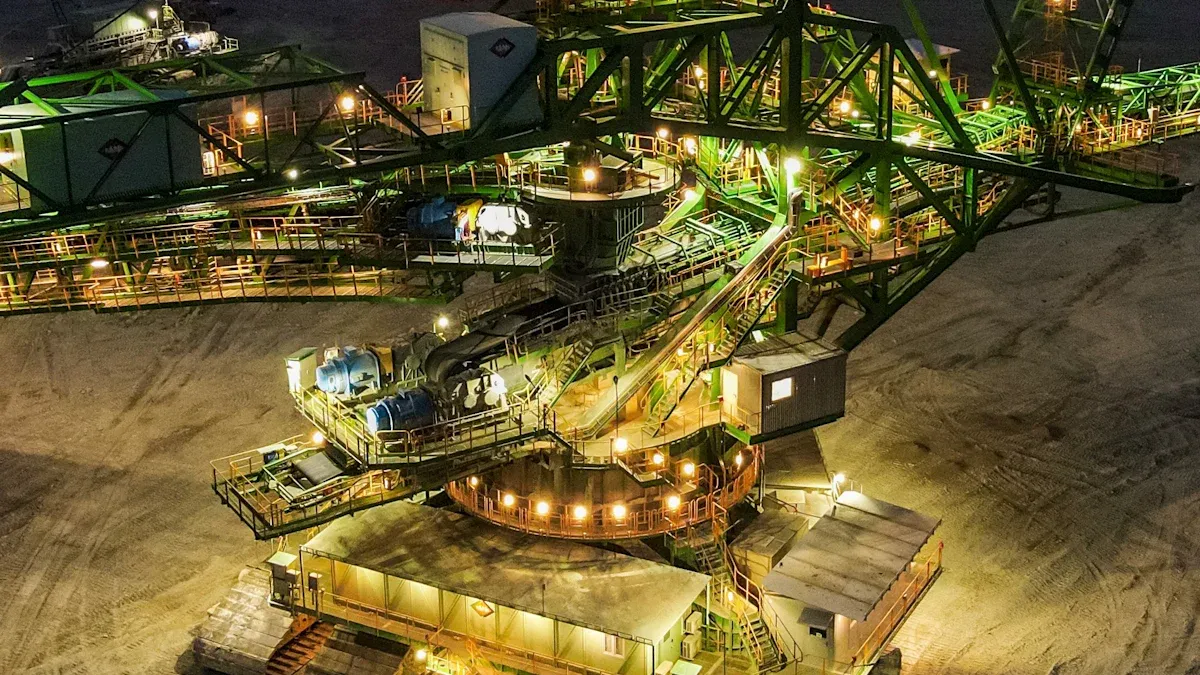
The stacker reclaimer market is getting bigger around the world. Experts think it could be worth $5-7 billion by 2025. By 2033, it might reach $8-12 billion. The market grows about 6-8% every year. Many things make this happen:
-
Mining, cement, and steel companies need more stacker reclaimers to move materials.
-
Automation and digital tools help these machines work better.
-
New building projects in growing countries mean more machines are needed.
-
Companies want to be greener and follow new rules for the environment.
These trends show stacker reclaimers are very important. Companies want machines that save money and work well. Automation helps them do this.
Regulatory & Sustainability Pressures
New rules change how stacker reclaimers are made and used. The Environmental Protection Agency makes rules to cut pollution and use less energy. Now, machines have motors that make less pollution and can save energy. These changes help companies follow the law and be more green.
Being green is also a big trend for the future. Makers build eco-friendly stacker reclaimers to get new buyers and keep old ones. IoT and AI make these machines work better and help the planet. Companies that use these systems do better in the market.
Industry Challenges & Opportunities
Bulk material handling has problems and chances to grow. Companies must follow new rules and buy better technology. They need to spend money wisely and make work faster. Automation and industrial automation make stacker reclaimers stronger and easier to use.
There are also good chances because more people want better ways to move materials. As more companies use automation, the market gets bigger. Companies that use new ideas and tools will do well. Trends show the future will be bright for bulk material handling.
Regional Insights & Segment Growth
Global Hotspots for Stacker Reclaimers
Asia Pacific is the top area for stacker reclaimers. Fast industrial growth makes more companies want these machines. Many businesses use automation to make their systems better. China and India are growing fast because factories need good ways to move materials. Europe and North America also see more sales, but Asia Pacific grows the fastest. Companies in these places focus on new trends and working better to win.
Mining & Industrial Applications
Stacker reclaimers are very important in mining and industry. Mining companies use them to move lots of raw materials. Automation helps these companies save money and keep workers safe. Steel plants and cement factories upgrade their systems to work faster. Stacker reclaimers help companies work all the time and meet market needs. Many businesses pick new systems to follow trends and keep growing.
Tip: Mining companies that buy automation and new stacker reclaimers often work better and spend less on repairs.
Regional Adoption Trends
Different places use stacker reclaimers at different speeds. Asia Pacific grows the most because many people want these machines and like new technology. Latin America and Africa are starting to improve their systems. Europe uses more automation and cares about the environment because of rules. North America makes old systems better to work faster and grow. Companies everywhere want stacker reclaimers with automation and smart features. The market keeps getting bigger as more places see how helpful these machines are.
|
Region |
Adoption Rate |
Key Drivers |
|---|---|---|
|
Asia Pacific |
High |
Industrial growth, automation, technology adoption |
|
Europe |
Moderate |
Sustainability, regulations, system upgrades |
|
North America |
Moderate |
Efficiency, market growth, modernization |
|
Latin America |
Emerging |
Infrastructure, bulk material handling system needs |
|
Africa |
Emerging |
Mining, system improvements |
Stacker reclaimers are still needed for bulk material handling system jobs. Trends in each area show that automation and new ideas change the market. Companies that follow these trends grow faster and work better.
Competitive Landscape & Innovations
Leading Players & Strategic Moves
Big companies in the stacker reclaimers market make important choices. They spend money to build more machines and sell to more people. Some companies are famous around the world for using new technology and automation. Many companies make new machines that use less energy and work by themselves. This helps mining and other businesses that need these machines. These actions help the market grow and set new rules for better bulk handling systems.
-
Big companies spend money on automation and better machines.
-
Companies sell more by making new stacker reclaimers with cool features.
-
Manufacturers grow by giving users what they need.
Recent Technological Developments
Stacker reclaimers have changed a lot in how they look and work. Companies add new things to make them work better and last longer. The table below shows the newest technology in stacker reclaimers:
|
Feature |
Description |
|---|---|
|
Mobile Chassis |
Strong crawler chassis helps machines move safely on rough ground and go anywhere on site. |
|
High-Efficiency Reclaiming Unit |
Screw or bucket wheel reclaimers make bulk material handling faster and better. |
|
Multi-Degree-of-Freedom Actuator |
Dual-slewing support lets machines reach more places and not miss any spots. |
|
Integrated Material Conveying System |
Inside belt conveyor moves material quickly to the chute. |
|
Hybrid Power System |
Diesel and electric power lets machines work in different places and helps the planet. |
|
Intelligent Control System |
Remote control and cloud checks make machines work better and easier to fix. |
New ideas like more automation, digital tools, and remote checks have made stacker reclaimers better. These changes help machines work well, use less energy, and stop breaking down. The table below shows how new ideas help machines work better and last longer:
|
Innovation Type |
Impact on Efficiency and Reliability |
|---|---|
|
Increased Automation and AI |
Smart controls help stacker reclaimers do their jobs better. |
|
Emphasis on Sustainability |
Energy-saving models make less pollution and work well. |
|
Digitalization and Remote Monitoring |
Fixing problems before they happen means machines break less and work more. |
Partnerships & Investments
Working together is important for making stacker reclaimers better. Companies team up with tech experts to make new products and sell more. Civmec gets big projects by joining with other companies, so they have more help. Companies also work with OEMs to make special heavy machines. These teams help companies grow and make machines that do what people need.
Note: Working together and spending money on new ideas helps stacker reclaimers get better and makes bulk material handling systems stronger.
Opportunities & Future Outlook
Leveraging Trends for Growth
Leaders in stacker reclaimers see many ways to grow. They watch for new companies joining the market. They make plans to stay ahead of others. Companies learn from their rivals and use this to make better machines. They copy good ideas from top companies and make their own plans. Working with other businesses helps them find more customers and improve their bulk material handling system. These steps help companies grow and stay strong.
-
Spot new companies in the market.
-
Make smart plans for stacker reclaimers.
-
Learn from rivals to make better machines.
-
Use good ideas from top companies.
-
Work with others to grow the business.
Building Resilience in Operations
Companies want stacker reclaimers that work well in hard places. They spend money on automation and industrial automation to make bulk material handling system operations stronger. Better designs help machines last longer and break down less. Automation lets workers watch machines and fix problems fast. Digital tools help keep things running and stop expensive repairs. These steps help companies deal with changes and keep growing.
Tip: Companies that buy automation and smart upgrades make their bulk material handling system stronger and work better.
Preparing for Next-Gen Solutions
People in the industry get ready for new stacker reclaimers by using new technology and smart designs. Makers use modular designs and green materials to meet rules about being eco-friendly. Smart sensors, IoT, and predictive maintenance help machines work better and cost less. Big cities in the Americas and Asia-Pacific use the newest bulk material handling system solutions first. Companies team up and offer more services to help different customers. They make sure their technology follows the rules and fits each project.
|
Insight |
Description |
|---|---|
|
Adoption Drivers |
City parking problems and the need for automation make people use stacker reclaimers faster. |
|
Design Focus |
Modular designs and green materials help meet eco-friendly rules. |
|
Technology Integration |
Smart sensors, IoT, and predictive maintenance make machines work better and cost less. |
|
Regional Trends |
Big cities in the Americas and Asia-Pacific use new ideas first; new markets start small projects. |
|
Competitive Strategies |
Teamwork and more services help companies reach more customers. |
|
Regulatory Alignment |
Technology must follow rules and fit project needs for good planning. |
Stacker reclaimers will keep changing as companies use new trends and technology. Businesses that do these things will grow and have better bulk material handling system results.
The stacker reclaimer industry is changing very fast. Companies find new chances as technology gets better. Some important trends are:
-
AI, machine learning, and IoT help with material handling in mining.
-
People all over the world will need 35% more minerals in twenty years.
-
Predictive maintenance helps machines break down less and work better.
-
Rules now ask for machines that use less energy and make less pollution.
Industry leaders must change quickly. They should buy smart systems and care about the environment. To stay ahead, they need to use new tools and follow tough rules. Companies that do these things now will lead bulk material handling in the future.
FAQ
What is a stacker reclaimer?
A stacker reclaimer is a big machine for moving lots of material. It can pile up and take away things like coal, ore, or limestone. Companies use it in mining, steel, and cement to move and store materials easily.
How does automation improve stacker reclaimer performance?
Automation lets stacker reclaimers work with little help from people. Sensors and software check how the machine works and how materials move. Automated systems make fewer mistakes, help workers do more, and save money on repairs.
Why do companies choose digitalization for bulk material handling?
Digitalization lets companies see how machines work right away. Workers can watch machines from far away. Digital tools make work safer, stop long breaks, and keep material quality the same.
What safety features are common in modern stacker reclaimers?
Modern stacker reclaimers use dynamic braking, dual HMI screens, and smart sensors. These features stop accidents, keep workers safe, and help machines work well. Companies add new safety tools to follow rules and keep up with standards.



 IPv6 network supported