

 Company Profile
 Social Responsibility
 Get A Quote

You can use tube belt conveyors with complex topography to move materials in your plant. This technology helps you work better every day. You will see important benefits quickly:
-
You need less workers, so you save money on pay and training.
-
Systems move materials faster and more evenly than people.
-
Fewer injuries happen because workers do not lift heavy things.
-
Mistakes happen less, so you spend less time fixing them.
-
You can grow your business without hiring many new workers.
If you are a plant manager or make decisions, these results are important.
Tube Belt Conveyors in Modern Plants
How Tube Belt Conveyors Work
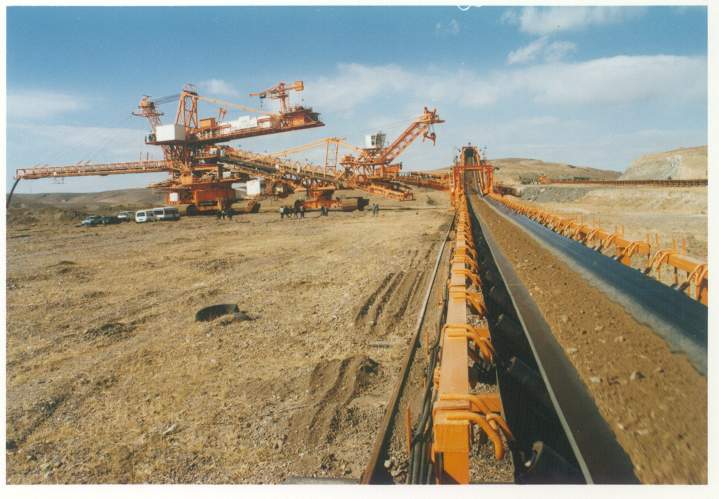
Vertical curve tube belt conveyors help move bulk materials safely. They carry things like grains, cement, or minerals inside a closed tube. The conveyor belt wraps around the material to make a tube. This keeps dust and spills from getting out. It helps keep your plant clean and stops waste. You can use these conveyors when you need to protect the product or the environment.
The tube shape lets you move materials around curves and up slopes. You do not have to worry about sharp turns or tricky layouts. The conveyor can handle these easily. You get a steady flow of materials, so your process does not stop. This helps your plant work better.
Here is a table that compares tube belt conveyors and conventional conveyors:
|
Feature |
Tube Belt Conveyors |
Conventional Conveyors |
|---|---|---|
|
Material Handling |
Good for bulk materials like grains, cement, and minerals |
Best for simple jobs and fast movement |
|
Industry Suitability |
Great for sensitive industries (food, chemicals, healthcare) |
Works in many different industries |
|
Environmental Control |
Stops dust and spills |
Needs more cleaning and care |
|
Layout Flexibility |
Works with tricky layouts |
Best for straight lines |
Key Features of Tube Belt Conveyors
Tube belt conveyors have many features that help modern plants:
-
Modular design lets you fit the conveyor in many places.
-
The system can change direction and have more than one inlet or outlet.
-
You can pick materials like stainless steel or polycarbonate for the belt.
-
Advanced sensors and controls let you watch the system in real time.
-
The conveyor works with your current automation and Industry 4.0 technology.
-
Predictive maintenance helps keep the system running well.
Note: Tube belt conveyors follow important industry rules. In food processing, they meet FDA, USDA, and HACCP standards. For industrial use, they follow ANSI, ASME, and OSHA rules. Mining uses MSHA and CEMA rules. Plants around the world use ISO standards for quality and safety.
These features help you move materials in your plant safely and efficiently.
Efficiency Advantages of Tube Belt Conveyors
Automation and Reduced Labor
Tube belt conveyors help your plant work better. Automation does jobs that people used to do. You do not need as many workers to move things. This saves you money and time. Workers are safer because they do not lift heavy items or go into dangerous places.
Here are ways tube belt conveyors cut down on hard work and boost efficiency:
-
Moving things uses less energy, so you pay less.
-
Fewer parts mean the conveyor is simple to take care of.
-
You fix fewer problems and can focus more on making products.
Automation lets workers do jobs that are more important. You will notice these benefits every day. The table below shows how tube belt conveyors make work faster and easier:
|
Benefit |
Description |
|---|---|
|
Continuous Material Flow |
Goods move all the time, so there are fewer slowdowns and less waiting. |
|
Reduced Manual Labor |
Machines do the same jobs over and over, so workers can do other things. |
|
Improved Process Efficiency |
Works with other machines for quicker making and packing. |
Faster Material Handling
Tube belt conveyors move things fast and safely. You do not have to worry about spills or dust getting out. The closed design keeps everything inside. You can move things around corners and up hills without slowing down. This helps your plant keep working without stopping.
Modern conveyors like tube belt conveyors do not need extra transfer spots. You do not have to stop and move things from one conveyor to another. This means less waiting and your plant keeps running. You can change the conveyor to fit small spaces or long paths. The self-cleaning system keeps it working without stopping to clean.
Here is a table that shows the difference between tube belt conveyors and old-style conveyors:
|
Criteria |
Pipe Conveyor Belt Systems |
Traditional Conveyors |
|---|---|---|
|
Design |
Closed tube shape; bends and goes up and down easily |
Open, flat belt; best for straight lines |
|
Material Spillage |
No spills because it is closed |
More spills, especially with small or sticky stuff |
|
Dust Control |
Very good – no dust gets out |
Needs extra tools to stop dust |
|
Environmental Impact |
Better – stops leaks and uses less energy |
Worse – may use more power and cleaning |
|
Maintenance |
Needs more care because of special parts |
Easier and not as often |
|
Cost |
Costs more at first, but saves money later |
Cheaper at first, but may cost more over time |
|
Aesthetic/Regulatory |
Good for cities or places with strict rules |
Not as good for places with tough rules |
You can see tube belt conveyors help your plant work faster and stop delays. You get better control over your products.
Improved Sanitation and Safety
Tube belt conveyors help keep your plant clean and safe. The closed design stops dust and spills from getting out. Workers do not breathe in bad dust, and there is less chance of fire. Your products stay clean and safe from germs. This matters a lot in food and medicine plants.
Tube belt conveyors use clean materials that meet tough rules. You can clean the conveyor fast and change the belt when you need to. This helps you keep things clean and stop delays. Workers touch products less, so there is less risk of germs.
Here are ways tube belt conveyors make things cleaner and safer:
-
Less touching means food stays clean and safe.
-
Clean materials are smooth and do not rust.
-
Easy-to-clean designs help you keep things safe.
-
Power plants in Asia had 20% less dust after using tube belt conveyors.
-
You lower fire risks and make the workplace safer.
The table below shows important safety features:
|
Safety Feature |
Benefit to Workplace Safety |
|---|---|
|
Enclosed design |
Keeps workers away from dangerous materials |
|
Reduced dust emissions |
Makes it safer to breathe for workers |
You can trust tube belt conveyors to help your plant work better, keep workers safe, and protect your products.
Productivity and Cost Savings with Belt Conveyors
Consistent Throughput
You want your plant to work well every day. Tube belt conveyors help keep materials moving all the time. This means your machines do not stop working. You do not lose money from delays. Modern conveyor systems help you move things in a steady way. You can change the system to fit what you need. This helps you make more products and keeps them high quality.
Here is a table that shows how different conveyors work for steady flow:
|
Feature |
Tubular Drag Conveyors |
Other Conveyor Types |
|---|---|---|
|
Material Handling |
Reliable and controlled |
Varies |
|
Customizability |
High |
Limited |
|
Efficiency |
Enhanced |
Varies |
|
Product Quality |
Improved |
Varies |
|
Operational Safety |
High |
Varies |
Lower Maintenance and Downtime
You want your conveyor to work without many problems. Doing regular checks keeps your corrosion-resistant tube belt conveyors working well. You should oil the bearings, rollers, and motors to stop them from wearing out. Follow the maker’s plan for when to do this. When you plan repairs, you can find problems before they stop your line. You can teach your workers to fix small things. This helps you stop long breaks and keeps your plant running.
-
Oil moving parts on time.
-
Make sure the belt is tight enough.
-
Clean the conveyor belt often.
-
Keep extra parts ready for quick repairs.
-
Teach your team to do simple fixes.
A conveyor that is cared for can last 10-15 years. You spend less time fixing things and more time making products.
Reduced Operating Costs
You save money when your conveyors use less power and break less. The conveyor belt uses most of the energy in your system. If you pick belts that save energy, you can use up to half as much power. Some companies use recycled parts and solar power to save even more. These choices help you reach your green goals and make less pollution.
Tip: Using green conveyor belts and energy-saving designs helps you save money and protect nature at the same time.
You pay less for power, fix things less, and have a cleaner plant. This makes your plant work better and saves you money.
Comparing Modern Conveyor Systems
Tube Belt Conveyors vs. Traditional Conveyors
You might wonder how tube belt conveyors are different from traditional ones. The biggest differences are in how they look, how safe they are, and how much money they save over time. Tube belt conveyors have a closed tube shape. This shape keeps things inside and stops spills. Traditional belt conveyors have a flat, open belt. They work best in straight lines and can spill things more easily.
Here is a table that shows the main differences:
|
Criteria |
Tube Belt Conveyors |
Traditional Belt Conveyors |
|---|---|---|
|
Design |
Enclosed tubular design; adapts to curves, hills |
Open, flat belt; best for straight lines |
|
Material Spillage |
Zero spillage due to enclosed system |
Higher risk of spillage |
|
Dust Control |
Excellent; dust stays inside |
Needs extra dust control |
|
Environmental Impact |
Lower; less leakage and carbon footprint |
Higher; more cleaning needed |
|
Maintenance |
Needs special parts, but less frequent |
Easier, but may be needed more often |
|
Cost |
Higher at first, but saves money over time |
Lower at first, but costs add up |
Tube belt conveyors also use less energy. They use only 1.44 kWh for each ton moved. Traditional belt conveyors use 11.4 kWh for each ton. This means you pay less for power and help the planet.
Unique Value in Modern Plants
Modern conveyor systems need to fit in small spaces and do many jobs. Tube belt conveyors give you special help for today’s plants. You can put these conveyors in tight spots. The closed shape keeps your materials safe from harm. Your plant stays cleaner and safer because dust and spills stay inside.
Here are some unique benefits:
-
You can move things around sharp turns and steep hills.
-
The system is quiet and keeps work moving smoothly.
-
You spend less time cleaning and fixing it.
-
The conveyor belt keeps fragile products safe as they move.
-
You can get to important parts fast for repairs.
The table below shows these advantages:
|
Advantage |
Description |
|---|---|
|
Space Efficiency |
Fits into compact areas, ideal for modern layouts |
|
Material Protection |
Closed design keeps materials safe |
|
Enhanced Safety |
Reduces dust and spillage for a cleaner workplace |
|
Versatility |
Handles sharp turns and slopes |
|
Cleaning Efficiency |
Easier maintenance and sanitation |
|
Gentle Conveyance |
Protects delicate materials |
|
Environmental Benefits |
Minimizes waste and meets regulations |
You can see tube belt conveyors help plants be flexible. They make your plant work well, stay safe, and get ready for the future.
Case Studies: Efficiency in Action
Bulk Material Handling Example
Tube belt conveyors help fix real problems in plants. Many plants have trouble with dust, spills, and high costs to fix things. For example, a cement plant used to spend $5,000 every month to clean up dust and spilled stuff from a crusher belt. When they started using a tube belt conveyor, there was less dust and fewer spills. This saved money and made the plant safer. The conveyor also kept working without stopping as much.
Here is a table that shows what different industries learned:
|
Case Study Description |
Key Lessons Learned |
|---|---|
|
A rock quarry faced carryback due to weather exposure, leading to maintenance downtime and increased costs. |
Effective cleaning systems reduce carryback and spillage. |
|
An iron ore mine dealt with premature wear on a transfer chute, causing dangerous interruptions. |
Proper alignment prevents wear and damage. |
|
A cement plant incurred $5,000 monthly costs due to dust and spillage on a crusher discharge belt. |
Customized conveyor solutions meet specific needs. |
|
A coal mine's misaligned conveyor caused environmental pollution and increased labor intensity. |
Maintaining alignment enhances efficiency. |
You can learn from these stories. Using the right conveyor means you move more material, handle products better, and make work safer.
Food Processing Application
It is important to keep food clean and safe. Tube belt conveyors help by keeping food inside a closed system. This stops germs and dust from getting in. Workers also do not breathe in dust. Many food plants use these conveyors for things like grains, sugar, or flour.
The table below shows how these conveyors help food plants:
|
Benefit |
Description |
|---|---|
|
Product Safety |
The enclosed design reduces contamination risks, ensuring food safety and enhancing product quality. |
|
Energy Efficiency |
Tubular conveyors operate smoothly, minimizing energy consumption compared to traditional systems. |
|
Flexibility |
Modular design allows for easy installation and adaptation to changing production needs, maximizing efficiency. |
|
Reduced Waste |
Gentle movement minimizes product damage, leading to less waste and higher quality output. |
You can make your plant work better by adding automation. The conveyor moves food gently, so there is less waste and better quality. You can also change the system as your plant gets bigger. This helps you keep up when things change fast.
You can make your plant work better with tube belt conveyors. These systems help materials move all the time. This means you can make more products and need fewer workers. The table below shows how they help:
|
Gain Type |
Description |
|---|---|
|
Constant Material Flow |
Conveyor belts keep materials moving, so there is less waiting. |
|
Increased Production Rates |
They move more products at once, so you finish faster. |
|
Reduced Labor Costs |
Machines do the same jobs, so you need fewer workers. |
|
Improved Accuracy and Consistency |
Conveyor systems help you move things the right way, so there are fewer mistakes. |
The closed design stops things from spilling and keeps your plant cleaner. It also helps keep everyone safe at work. When picking a conveyor, think about what you make, how you use it, and where you use it. Using machines that work together will help you reach your goals sooner.



 IPv6 network supported