
 Company Profile
 Social Responsibility
 Get A Quote
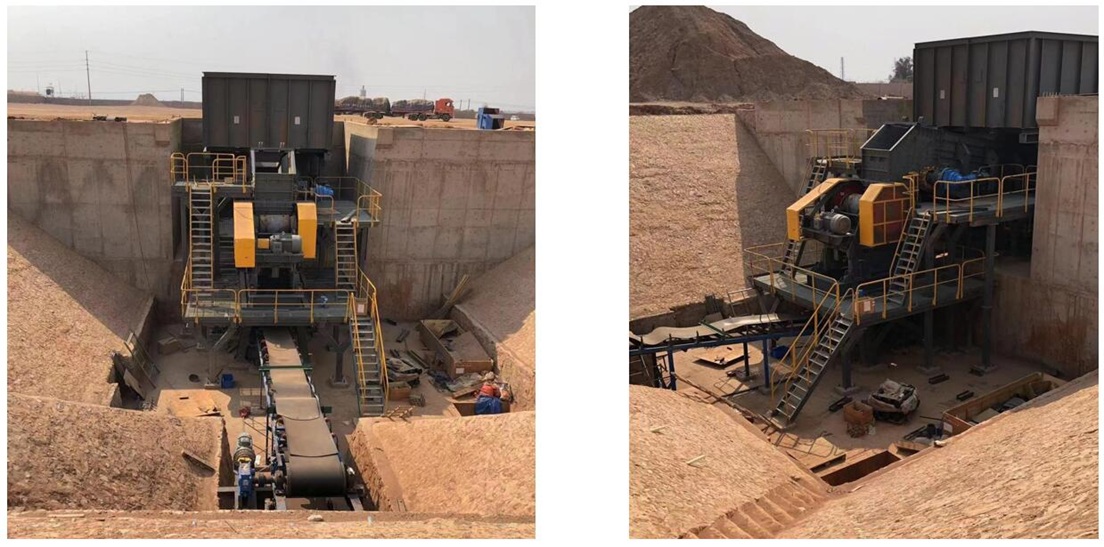
You will see that jaw crusher is a top choice for crushing in factories. Many people like jaw crushers because they are tough and can crush hard rocks like granite. If you check how they work, jaw crushers crush things well and can be used in many ways. Here are some good and bad points:
-
Crushes things very well
-
Can change size easily
-
Works in many situations
-
Has a simple build
But there are also some problems:
-
Wears out faster with hard rocks
-
Needs fixing often
-
Is bigger and costs more than other crushers
|
Advantages |
Disadvantages |
|---|---|
|
Saves money |
Needs lots of fixing |
|
Crushes well |
Wears out with hard stuff |
|
Can do many jobs |
Makes loud sounds |
You will find out how primary jaw crusher for granite quarry works, how much it costs, how often it needs fixing, how many things it can do, what materials it can crush, and how it compares to other crushers.
Jaw Crusher Pros and Cons Overview
Quick Comparison Table
This table helps you see the main good and bad points of jaw crushers. It shows how jaw crushers compare to other crushers. You can look at things like how much they crush, cost, fixing, and what materials they handle.
|
Feature |
Jaw Crusher |
Cone Crusher |
Impact Crusher |
|---|---|---|---|
|
Throughput Capacity (TPH) |
50-1,500 |
20-1,200 |
10-800 |
|
Reduction Ratio |
Good for primary crushing |
Better for secondary crushing |
High for soft materials |
|
Maintenance Cost |
Lower due to simple design |
Can save more over time |
Higher due to more parts |
|
Operational Lifespan |
5-15 years (depends on use) |
Varies by design and use |
Varies by design and use |
|
Material Suitability |
Hard materials (granite, basalt) |
Medium-hard to hard materials |
Softer materials (limestone, sandstone) |
|
Size Uniformity |
More jagged sizes |
More uniform sizes |
Most uniform sizes |
|
Energy Consumption |
Moderate to high |
Moderate |
High |
|
Application Suitability |
Best for primary crushing |
Good for secondary/tertiary |
Good for shaping and fine crushing |
Key Differences Summary
When you look at high capacity jaw crushers for primary crushing and other crushers, you will see some big differences. Here are the main things you should know:
-
Performance Metrics
You can check how crushers work by looking at how much they crush, how small they make rocks, how often they work, how fast parts wear out, and how much energy they use. Jaw crushers can crush 50 to 1,500 tons every hour. This is more than impact crushers and almost as much as cone crushers. Jaw crushers are good for breaking big, hard rocks. -
Cost and Maintenance
You do not need to spend a lot to fix a jaw crusher because it is simple. The parts are easy to change. Cone crushers can also save money after some time, but jaw crushers are usually cheaper to fix. Impact crushers need more repairs because they have more moving parts. -
Lifespan
A jaw crusher can last from 5 to 15 years. How long it lasts depends on what you crush and how you take care of it. Other crushers, like cone crushers, can last a long time too, but it depends on how they are made and used. -
Material Handling
Jaw crushers work best with hard rocks like granite and basalt. They use two jaws to crush rocks. Impact crushers use hammers and are better for softer rocks like limestone. Jaw crushers make rougher pieces, but impact crushers make smoother pieces. -
Versatility and Application
You can use jaw crushers for many jobs, especially when you need to crush big, hard rocks. They are best for primary crushing. Cone crushers and impact crushers are better for making smaller, even pieces or for softer rocks.
Tip: If you need to crush hard rocks and want a machine that is easy to fix, a jaw crusher is a good pick. If you want smoother pieces or work with softer rocks, you should look at other crushers.
You should always think about the good and bad points before you choose a crusher. Jaw crushers can crush a lot and are strong, but they may not give you the smoothest pieces or use the least energy. Think about what you need to crush, how much money you have, and what kind of pieces you want before you decide.
Jaw Crusher Advantages
Efficiency and Reliability
Hydraulic heavy duty jaw crushers work well and do not break often. If you check them and add oil, they run smoothly. They can make a lot of crushed rock fast. Sometimes, they work faster than other crushers. Jaw crushers have a simple design. This means fewer parts can break. Many people use jaw crushers because they are dependable.
|
Feature |
Jaw Crushers |
Other Crushers |
|---|---|---|
|
Material Handling |
Great for hard, abrasive rocks and large concrete |
May struggle with large or wet materials |
|
Maintenance Needs |
Lower wear-part costs, easy to maintain |
More complex maintenance, higher wear-part costs |
|
Efficiency |
High production with proper care |
Varies by design and use |
Lower Maintenance and Cost
You do not need much time or money to fix jaw crushers. The design is simple, so you can change parts fast. You do not need special tools or training. This helps you save money and keep working. Mobile jaw crushers are easy to reach for repairs. This helps your work keep going.
Tip: Check your jaw crusher often. This helps you stop big problems and keeps it working longer.
Versatility for Materials
Jaw crushers can crush many things. They break hard rocks, concrete, and softer things like brick, limestone, and asphalt. You can use jaw crushers in many places, like mines or recycling centers. Mobile jaw crushers are easy to move. You can take them to new jobs without buying new machines.
-
Jaw crushers work well with:
-
Hard, abrasive rocks
-
Large concrete pieces
-
Wet or sticky materials
-
Softer materials like brick, limestone, and asphalt
-
High Capacity and Toughness
Jaw crushers are strong and work hard. They can crush up to 1,500 tons each hour. Gyratory crushers can sometimes crush more, but jaw crushers still do a lot. You can trust jaw crushers to crush tough things. They do not break easily. This is why many people pick jaw crushers for their work.
Jaw Crusher Disadvantages
Limited Throughput
You may notice that jaw crushers have limits on how much material they can process each hour. The size of the machine decides how much you can crush. If you use a small jaw crusher, you can expect to process between 50 and 200 tons per hour. Medium machines handle 200 to 500 tons, while large ones can reach up to 1,500 tons per hour.
|
Size Category |
Capacity (tph) |
|---|---|
|
Small Jaw Crushers |
50 to 200 |
|
Medium Jaw Crushers |
200 to 500 |
|
Large Jaw Crushers |
500 to 1,500 |
If you need to crush more than this, you may need to use a different type of crusher or add more machines. This can make your setup more complex.
Feed Restrictions
You must pay attention to the size of the rocks you feed into jaw crushers. These machines work best when the largest rock is not bigger than 80% of the opening size. For example, if your crusher has a 30-inch opening, you should keep the biggest rock at 24 inches or less. You also need to make sure the rocks are not smaller than the closed-side setting. If you do not follow these rules, you can damage the machine or slow down your work.
-
The maximum feed size should be 80% of the crusher opening.
-
For a 30" opening, keep the top feed size at 24".
-
Feed material should be larger than the closed-side setting but not more than 80% of the opening.
Wear and Tear
You will see that jaw crushers use compression to break rocks. This means the moving parts press against hard materials again and again. Over time, the jaws and other parts wear down. You need to replace these parts to keep the machine working well. Jaw crushers usually need less maintenance than impact crushers, but you still must check them often. If you crush very hard or abrasive rocks, you may need to replace parts more often.
Note: Compression crushers like jaw and cone crushers need less maintenance than impact crushers, but cone crushers often have longer-lasting wear parts.
Energy Use
You should know that jaw crushers use a fair amount of energy. On average, they use between 0.8 and 1.5 kilowatt-hours for each ton of material. This is more than roll crushers but less than cone crushers. If you want to save energy, you may want to look at other options.
|
Crusher Type |
Energy Consumption (kWh/ton) |
|---|---|
|
Jaw Crusher |
0.8-1.5 |
|
Cone Crusher |
1.2-2.0 |
|
Impact Crusher |
1.0-1.8 |
|
Roll Crusher |
0.5-1.0 |
You should always think about these disadvantages when you choose a crusher for your project.
Jaw Crushers vs. Other Crushers
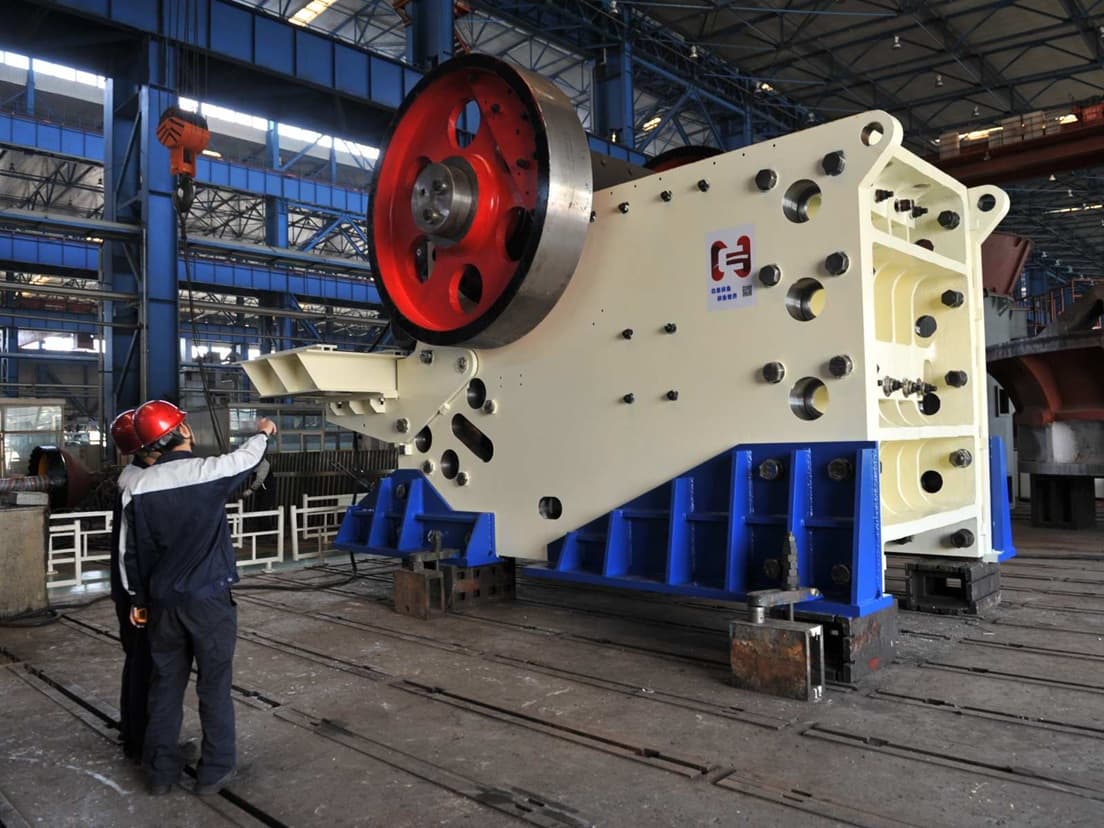
Gyratory Crushers Comparison
You might wonder how jaw crushers and gyratory crushers are different. Both are used first in mining and quarry jobs. A gyratory crusher has a cone-shaped head that moves inside a bowl. This lets it crush rocks all the time. Jaw crushers use two plates to squeeze and break rocks. One plate stays still, and the other moves.
|
Feature |
Gyratory Crusher |
Jaw Crusher |
|---|---|---|
|
Design |
Conical head that gyrates within a stationary bowl, allowing continuous crushing. |
Two jaw plates (movable and fixed) compress materials to crush them. |
|
Working Principle |
Gyrating motion of the conical head crushes material against the bowl. |
Movable jaw moves towards fixed jaw to create compressive force. |
|
Capacity |
High-capacity operations, handles larger feed sizes efficiently. |
Lower capacity, suitable for smaller operations or less abrasive materials. |
|
Maintenance Costs |
More complex and costly maintenance due to design; requires regular inspections. |
Lower maintenance requirements and costs; simpler design allows easier access. |
|
Energy Efficiency |
Less energy-efficient due to continuous action; larger motor needed. |
More energy-efficient, especially for smaller operations. |
Gyratory crushers can handle bigger rocks and more material. They work well in large mines where you need to crush lots of rocks fast. Jaw crushers are better for smaller jobs or softer rocks. Jaw crushers are easier to fix because they have fewer parts. You can repair and adjust them quickly. Gyratory crushers have more parts and need more time and money to fix. Changing mantles or concaves takes longer.
-
Jaw crushers have fewer parts, so fixing is faster.
-
You can change toggle plates and liners easily in jaw crushers.
-
Gyratory crushers need more time for repairs.
Tip: Pick a gyratory crusher for big jobs that need lots of crushing. Choose a jaw crusher if you want easy fixes and lower costs.
Impact Crushers Comparison
You might see impact crushers in recycling centers or when shaping rocks. These machines break rocks using impact force. Jaw crushers use squeezing force. Jaw crushers are best for hard, rough rocks. Impact crushers work better with softer rocks like limestone.
|
Feature |
Jaw Crusher |
Impact Crusher |
|---|---|---|
|
Crushing Method |
Compression |
Impact force |
|
Material Type |
Harder, abrasive materials |
Softer materials |
|
Output Material Size |
Larger, less predictable chunks |
Finer, more consistent sizes |
|
Efficiency and Speed |
Slower, high-capacity applications |
Faster, suitable for smaller sizes |
Jaw crushers are good for tough jobs like breaking granite. Impact crushers work faster and make smaller, even pieces. If you need smooth, cubed rocks for roads, pick an impact crusher. Jaw crushers make bigger, rougher pieces. Jaw crushers run slower, so they are better for heavy work. Impact crushers are best for quick jobs.
-
Jaw crushers are best for hard rocks.
-
Impact crushers work better with soft rocks.
-
Jaw crushers make uneven sizes.
-
Impact crushers give you even, small pieces.
Note: For hard rocks and strong machines, pick jaw crushers. For smooth, cubed pieces from soft rocks, use impact crushers.
Cone Crushers Comparison
Cone crushers are used after the first crushing step. They use a spinning cone inside a bowl to crush rocks. Jaw crushers are used first and crush bigger rocks. Cone crushers make smaller, even pieces.
|
Crusher Type |
Advantages |
Disadvantages |
|---|---|---|
|
Jaw Crusher |
Simple, reliable design that’s easy to maintain. |
Limited to coarser output, not ideal for fine crushing. |
|
|
Cost-effective with lower upfront and operational costs. |
Lower throughput compared to cone crushers. |
|
|
Excels at handling large, tough materials. |
May produce more dust and noise during operation. |
|
Cone Crusher |
Delivers finer, more uniform aggregates. |
Complex design increases maintenance requirements. |
|
|
Higher throughput and efficiency for secondary crushing. |
Higher initial and operational costs. |
|
|
Suitable for continuous, high-volume operations. |
Not designed for primary crushing of large materials. |
Cone crushers make rocks more even and smooth. Jaw crushers make rougher pieces and may need extra machines to shape them. Cone crushers are good when you want fine, even rocks. Jaw crushers are best for breaking big, tough rocks first.
|
Crusher Type |
Product Size Consistency |
Grain Shape Quality |
|---|---|---|
|
Jaw Crusher |
Less consistent |
Requires shaping equipment |
|
Cone Crusher |
More consistent |
Better grain shape due to lamination principle |
-
Jaw crushers cost less to buy and run.
-
Cone crushers make better quality rocks and crush more.
-
Jaw crushers are easier to fix.
-
Cone crushers need more care and cost more to use.
Tip: Use jaw crushers first for big, tough rocks. Use cone crushers when you want small, even rocks and better results.
Pick your crusher by thinking about your rock type, the size you want, and how much fixing you can do. Jaw crushers, gyratory crushers, impact crushers, and cone crushers all have good and bad points. Match your choice to what your project needs.
Key Factors in Choosing Crushers
Cost and Maintenance
You should think about more than just the price. The total cost means what you pay now and later. You need to check a few things:
-
How much it costs to buy
-
How often you need to fix it
-
How much energy it uses
-
How often you change parts
-
How well it works
-
New technology features
-
How many people want it
-
Prices in different places
A jaw crusher might cost more at first. But it can save you money over time. You spend less on fixing and parts because it is simple. If you choose strong materials, it will break less and work better. Always see if you can get spare parts easily. Also, check if it uses energy in a good way.
|
Crusher Type |
Size and Capacity (TPH) |
Purchase Price Implications |
|---|---|---|
|
Heavy-duty Jaw Crushers |
500 to 1500 |
Costs more because it is strong and needs more power |
|
Aggregate Production Jaw Crushers |
250 to 1000 |
Costs a medium amount and can change sizes |
|
Compact Jaw Crushers |
50 to 300 |
Costs less because it is small and handles less |
Tip: Think about saving money later, not just now.
Capacity and Throughput
You need to know how much you want to crush each hour. Capacity means how much the crusher can handle. Throughput means how much finished stuff you get. If your crusher is too small, your work will be slow. If it is too big, you might waste money.
-
Small jaw crushers: 50 to 200 tons per hour
-
Medium jaw crushers: 200 to 500 tons per hour
-
Large jaw crushers: 500 to 1,500 tons per hour
Check your job size and pick the right machine. Plan for more work if you think you will need it later.
Material Suitability
You must pick the crusher for the material you want to crush. Hard rocks like granite need strong machines. Softer things like limestone need less power. The jaw plate material is important too.
|
Material Type |
Recommended Jaw Plate Material |
Application Description |
|---|---|---|
|
Hard and Abrasive Materials |
High manganese steel or alloy cast steel |
Best for granite and quartz, lasts longer |
|
Soft Aggregates and Concrete |
Medium manganese steel |
Good for asphalt and concrete, gets harder as you use it |
|
General Use |
Stainless steel, tungsten carbide, others |
Pick by how hard and rough your material is |
If you pick the wrong crusher, you may pay more and need more repairs.
Application Needs
You should think about where and how you will use the crusher. Some machines are best for big mines. Others are good for small jobs or moving around. Here are some ways people use crushers:
|
Application Scenario |
Description |
|---|---|
|
Laboratory crushing |
Crushes small amounts of ore and coal |
|
Small quarries/stone plants |
Used for low work, limestone, and building waste |
|
Mobile crushing stations |
Main machine for recycling and breaking buildings |
|
Auxiliary crushing |
Used before big production lines |
|
Sand and gravel lines |
First step for crushing limestone and granite |
|
Mines and Quarries |
First step in mining jobs |
|
Construction Waste Crushing |
Main tool for recycling materials |
|
Highway Maintenance |
Makes materials for roads |
|
Large-scale engineering projects |
Used for building dams and highways |
Checklist:
-
What is your budget?
-
How much do you need to crush each hour?
-
What material will you process?
-
Where will you use the crusher?
-
Do you need easy maintenance?
You can use this checklist to help you pick the best crusher for your job.
When Jaw Crushers Are Preferred
Best Use Cases
You will find jaw crushers in many industries. These machines help you break down large rocks and materials. You can use them in mining, quarrying, construction, and recycling. The table below shows where jaw crushers work best:
|
Industry |
Application Description |
|---|---|
|
Mining |
You can use jaw crushers to break large chunks of ore into smaller pieces. They work well with iron, copper, gold, and silver ores. You can also use them for coal processing. |
|
Quarrying |
Jaw crushers help you process natural stone and aggregates. They break down big stone blocks for building projects. |
|
Construction |
You can crush concrete and asphalt on-site. This reduces waste and saves money. Jaw crushers also help you process demolition debris into new materials. |
|
Recycling |
You can recycle construction waste with jaw crushers. They turn mixed debris into reusable materials. This helps the environment and saves resources. |
You should choose a jaw crusher if you need a strong machine for tough jobs. Jaw crushers handle hard rocks, concrete, and mixed materials. You can use them for the first step in many crushing jobs. They work well when you want to reuse materials or reduce waste.
Tip: Jaw crushers help you save money and support green building by recycling old materials.
When to Consider Alternatives
Sometimes, a jaw crusher may not fit your needs. You should watch for warning signs before you buy or use one. Here are some things to look out for:
-
You see a used compact crusher with fresh paint. This may hide damage.
-
Someone says you can "crush anything" with a jaw crusher. This is not true for all materials.
-
The seller promises very high production rates. These numbers may not be real.
-
The sales team only talks to you on the phone. They may not know much about the product.
-
You cannot find spare parts in your area. This means you may have trouble fixing your machine.
-
The price for a "good used" crusher is very low. This often means the machine has a lot of wear.
-
The seller does not offer start-up training. This shows they may not know the machine well.
You should think about these signs before you choose a jaw crusher. If you see any of these, you may want to look at other types of crushers. Always pick the machine that fits your job and gives you good support.
Jaw crushers are very reliable and do not break often. They cost less to fix and work well with hard, rough rocks. But they cannot crush as much at once and use a lot of energy. When picking a crusher, think about what you need it for. Make sure it does the job you want and does not cost too much. Check how many times you need to crush things. Look at how much crushed rock you want to get. See how often you will need to fix the machine. Talk to experts if you are not sure. Pick the jaw crusher or another crusher that fits your rocks and your work needs.
FAQ
What materials can you crush with a jaw crusher?
You can crush hard rocks like granite, basalt, and quartz. You can also use jaw crushers for concrete, bricks, and softer stones. Jaw crushers work well for many types of materials.
How often do you need to maintain a jaw crusher?
You should check your jaw crusher every day. Clean it and look for worn parts. Change the oil and replace parts as needed. Regular care helps your machine last longer.
Is a jaw crusher easy to move to new job sites?
Many jaw crushers come in mobile versions. You can move these machines with a truck or trailer. Mobile jaw crushers help you work in different places without buying new equipment.
How do you choose the right size jaw crusher?
First, think about how much material you want to crush each hour. Check the feed opening size and the output size you need. Pick a crusher that matches your job.
What safety tips should you follow when using a jaw crusher?
Always wear safety gear. Keep hands and tools away from moving parts. Turn off the machine before repairs. Read the manual and follow all safety rules.



 IPv6 network supported