

 Company Profile
 Social Responsibility
 Get A Quote
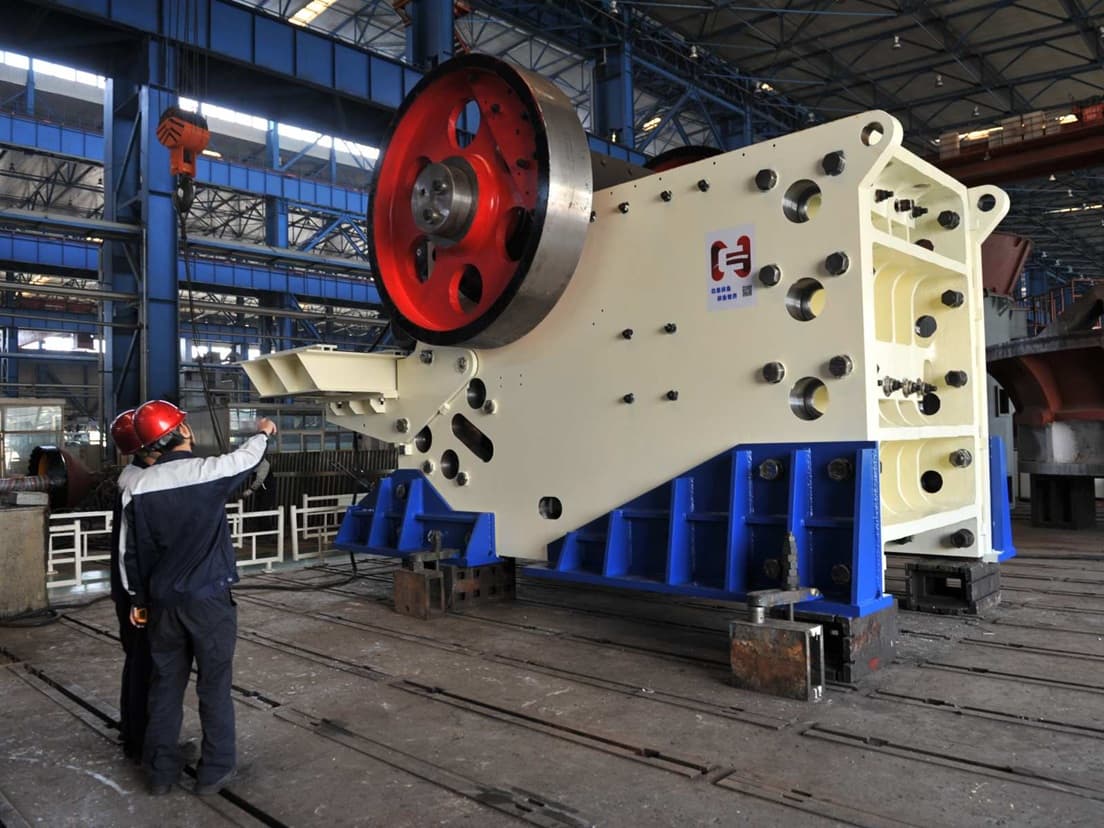
When you pick jaw plates for your jaw crusher, you affect how well it crushes and how long it lasts. The best material and design help you work with different types of rocks and how rough they are. The table below shows how the material you choose changes how long the jaw plate lasts and what it should be used for:
|
Jaw Plate Material |
Wear Resistance |
Recommended Use |
|---|---|---|
|
M1 |
Low |
Low-abrasion materials (like limestone) |
|
M2, M7, M8, M9 |
High |
Very rough materials (like granite or iron ore) |
If you change jaw plates at the right time, you stop other parts from wearing out too fast and keep your crusher working well. Even small changes in the material or tooth shape can make the crusher work better and save money.
Jaw Crusher Jaw Plates and Their Role
What Are Jaw Plates?
Jaw plates are inside every jaw crusher. They do most of the crushing work. One plate stays still, and the other moves back and forth. When rocks go in, the moving plate pushes them against the still plate. This crushes the rocks into smaller pieces.
Jaw plates are part of the crushing tools in large capacity industrial jaw crushers. They work with parts like the toggle plate, toggle seat, and side liners. Each part has its own job, but jaw plates take most of the force. These plates need to be made from strong materials. They face a lot of pressure and wear all the time.
Here is a table that explains what jaw plates do and how they help:
|
Function |
Material |
Impact on Performance |
|---|---|---|
|
Crush material by squeezing it between two jaws. |
High-quality manganese steel, which is tough and lasts long. |
Worn jaw plates can lower the crusher’s output and efficiency. Changing them often keeps the crusher working well. |
Importance in Crushing Performance
Jaw plates help you get the right size and quality of crushed rocks. The design and condition of these plates matter a lot. Using the right surface patterns, like corrugated or curved shapes, gives better results.
-
Jaw plates spread out the crushing force. This makes it easier to break rocks.
-
Corrugated plates let you crush using squeezing, pulling, and cutting. This saves energy and works better.
-
Curved plates stop choking and keep rocks moving smoothly. This spreads out the wear and helps the plates last longer.
You should also check the toggle and other parts. If a jaw plate wears out, it can hurt other parts and cause more repairs. Keeping jaw plates in good shape helps your crusher run well and give the best results.
The table below shows how different things affect how well the crusher works:
|
Evidence Description |
Impact on Crushing Performance |
|---|---|
|
Wear rate depends on the material used |
Stronger plates work better and last longer |
|
Energy-saving designs use up to 25% less power |
Crushing is more efficient |
|
Kinematic analysis with special methods |
Shows how force changes output quality |
|
Results from different jaw plate shapes |
Different shapes change how fine the crushed rocks are and how much energy is used |
Tip: Check your jaw plates and toggle parts often. Replacing them early saves money and keeps your crusher working well.
Jaw Plate Materials for Crushing Applications
High Manganese Steel
Most jaw plates in high efficiency jaw crushers use high manganese steel. This material gets harder the more you use it. When rocks push on the jaw plate, the surface gets tougher. This is called work hardening. High manganese steel is also very strong and tough. These features help the jaw plate take heavy hits and big loads.
Here is a table that shows why high manganese steel is good for jaw crushers:
|
Property |
Description |
|---|---|
|
Tensile Strength |
Handles heavy loads without breaking. |
|
Work Hardening |
Gets stronger with more use. |
|
Ductility |
Bends without cracking, which helps with impact. |
|
Toughness |
Stands up to hard hits and rough conditions. |
High manganese steel works well for crushing medium or hard rocks. It helps jaw plates last longer and crush tough rocks.
Alloy Steel and Alternatives
Some jaw plates are made from alloy steel or other materials. Alloy steel mixes metals like manganese, carbon, and chromium. This mix makes the jaw plate harder and helps it resist wear. Alloy steel is used in parts that crush hard rocks or face high pressure.
Here is a table that compares common jaw plate materials:
|
Material |
Properties |
|---|---|
|
Manganese Steel |
High resistance to wear and impact |
|
Manganese-Molybdenum Alloy Steel |
High resistance to wear and pressure from rocks |
|
Ni-Hard Cast Iron |
Performs well under specific conditions |
Alloy steel jaw plates last longer and do not wear out fast. But they can break more easily. If you do not put them in right, they might crack or wear unevenly. Ni-Hard cast iron is used sometimes, but not often.
-
Advantages of alloy steel jaw plates:
-
They are harder and resist wear.
-
They last longer in rough conditions.
-
They do not wear out quickly.
-
-
Disadvantages:
-
They can break more easily.
-
They might wear unevenly if not installed right.
-
Material Selection by Application
Pick your jaw plate material based on what you need to crush. Different rocks need different jaw plates for the best results.
-
Use Mn14 jaw plates for soft stones. They wear out fast on hard rocks.
-
Choose higher manganese or alloy steel for hard, rough rocks.
-
Always match the jaw plate to the rock and the job.
The table below helps you pick the right material:
|
Material Type |
Key Characteristics |
Impact on Durability |
|---|---|---|
|
Manganese Steel |
High impact strength, self-hardening, abrasion resistance |
Enhances longevity under pressure and wear |
|
Alloy Steel |
High-grade, favors compressive strength |
Suitable for softer materials, cost-effective |
Tip: Check your jaw plates and toggle parts often. The right material helps your jaw crusher work well and last longer.
Jaw Plate Designs and Crushing Efficiency
Tooth Profiles and Shapes
You can choose from many jaw plate profiles to match your crushing needs. Each shape changes how the jaw crusher works and how long the parts last. When you pick the right profile, you help your machine crush better and save money on repairs.
-
Standard Tooth: You often see this in pit, quarry, and recycling jobs. It works well with many materials.
-
Supertooth: This is common in Powerscreen jaw crushers. It fits quarrying and recycling, giving good wear life.
-
Multitooth: You should use this for recycling, especially with concrete and asphalt.
-
Quarry Tooth: This profile handles hard rock and high abrasion. It lasts longer in tough jobs.
-
Flat or Smooth Jaw Plates: These work best for soft or medium-hard rock in primary crushing.
-
Toothed or Corrugated Jaw Plates: These give more grip. They help with harder rock or recycling.
-
Heavy-Duty Jaw Plates: These are thicker and stronger. They last longer in tough conditions.
-
Custom Profiles: You can get these made for special feed or product size needs.
You should also look at the other parts, like the toggle and side liners. The right jaw plate design helps all crushing tools for good quality mining jaw crushers work together.
Impact on Wear and Output
The shape of your jaw plate changes how well your crusher works. Concave shapes give you more even particle sizes. Good jaw plate design lets rocks move smoothly, which lowers wear and helps the parts last longer. The nip angle, or the angle between the fixed and moving jaw plates, holds rocks tight. This boosts crushing efficiency and throughput.
-
The interaction between jaw plates and rocks causes high wear on the parts.
-
More wear means your jaw crusher works less efficiently.
-
High wear rates also raise your costs and use more energy.
-
The toggle and other parts can wear out faster if you do not replace jaw plates on time.
Tests show that the link between wear and work stays steady in many cases. When the contact speed is higher, wear can happen faster, even with less work. This pattern is clear when you use special wear equations.
You should check your jaw plate and toggle often. The right design and timely replacement keep your crushing tools for jaw crushers working at their best.
Replacing Jaw Crusher Jaw Plates
Safety and Preparation
Before you start any replacement, you must focus on safety. Working with heavy parts and crushing tools for jaw crushers can be dangerous if you do not follow the right steps. Here are the key safety protocols you should follow:
-
Lockout/Tagout (LOTO): Always isolate the jaw crusher from all energy sources. Each worker should place their own lock and tag to make sure the machine cannot start by accident.
-
Clear Blockages Safely: Shut down and isolate the machine before you clear any blockages. Use the right tools and stand away from areas where rocks or parts could be ejected.
-
Support Heavy Parts: Use certified lifting equipment to support the fixed jaw plate, movable jaw plate, and other heavy parts. Communicate clearly with your team during lifting and moving.
-
Wear Protective Gear: Always wear gloves, safety glasses, and a hard hat. These protect you from sharp edges and falling objects.
Tip: Never rush the preparation. Careful planning and the right tools help prevent injuries and damage to the toggle, jaw plates, and other parts.
Removal and Installation Steps
You need to follow a step-by-step process to remove worn jaw plates and install new ones. This keeps your jaw crusher running smoothly and prevents damage to other parts.
Removal Steps
-
Fill the lower ore bin with material. Before stopping the crusher, remove any loose ore at the outlet after the heavy plate feeder stops. This prevents rocks from falling during work.
-
Stop the crusher after breaking the last load. Clean around the wedge block, wedge fixing bolts, and jaw plate hoisting holes with a sweeper.
-
Use a crane and lifting tools to lift the upper movable jaw plate.
-
Loosen the locking bolts on the upper and middle wedges. Remove the upper wedge locking bolt and wedge. Then, lower the upper jaw plate to the ground with the crane.
-
Lift the lower movable jaw plate using the crane and lifting tools.
-
Loosen the locking bolts on the middle and lower wedges. Remove the middle wedge locking bolts and wedge. Lower the lower jaw plate to the ground.
-
Inspect the upper, middle, and lower wedge blocks and their bolts. Replace any that are deformed, cracked, or damaged.
Installation Steps
-
Inspect the Alignment: Use a straightedge or alignment tool to check that the new jaw plates sit flush against the mounting points.
-
Secure the Plates: Attach the fixed jaw plate and movable jaw plate using the correct bolts and wedges. Tighten bolts to the manufacturer's specifications.
-
Test the Crusher: Run the jaw crusher without material. Listen for unusual noises or vibrations. These can signal installation problems.
-
Monitor Material Flow: Feed a small amount of material into the crusher. Watch for smooth and even flow.
-
Check Bolt Tightness: After the first test, recheck all bolts with a torque wrench. Make sure they remain tight.
-
Inspect for Vibrations: Watch the machine for excessive vibrations during the first few hours. This helps you catch issues early.
Note: Always check the toggle, side liners, and other parts during replacement. Worn or loose parts can cause uneven wear or damage to the new jaw plates.
Adjusting and Monitoring Discharge Size
After you install new jaw plates, you must adjust the discharge opening. This step is important for both crushing performance and the health of your jaw crusher.
The discharge size controls the particle size of the crushed material and the production capacity. If you set the opening too small, you risk blockages and higher energy use. This can damage the toggle and other parts. If the opening is too large, you put extra load on secondary crushing and may not get the right product size.
You should:
-
Adjust the discharge port based on the type of raw material and the needs of your operation.
-
Check the discharge size regularly. Make changes as needed to keep the crusher working efficiently.
-
Monitor the output for signs of uneven wear or poor crushing. Early action prevents bigger problems.
Alert: Timely replacement and proper adjustment protect your jaw crusher from costly damage. Regular checks help you spot issues with the toggle, jaw plates, and other parts before they become serious.
By following these steps, you keep your crushing tools for jaw crushers in top shape. You also make sure your jaw crusher delivers the best performance and longest life.
Maintenance Tips for Longer Jaw Plate Life
Regular Inspection and Wear Monitoring
You should check your jaw plates and other parts often. Set up a daily or weekly inspection schedule, especially if your jaw crusher works with a lot of material. Look for cracks, worn tooth valleys, and peaks. Make sure the jaws stay symmetrical. Watch for signs of wear on the toggle and other crushing tools for jaw crushers. If you spot problems early, you can fix them before they cause bigger issues.
Tip: Train your operators to notice changes in noise, vibration, or output. These signs often mean something needs attention.
Cleaning and Lubrication
Keep your jaw crusher clean to help it last longer. Remove dirt and debris from bearings, gears, and shafts before you add grease. Always use grease for lubrication, not oil. Use a grease gun or pump to inject grease into the right points. Check the main shaft and pitman bearing. Fill the bearing box about halfway with grease and replace it every few months. When you replace worn-out parts, check all grease points to make sure everything stays smooth.
-
Clean all parts before adding new grease.
-
Lubricate the toggle and moving parts regularly.
-
Replace grease every 3-6 months for best results.
When to Replace Jaw Plates
You need to know when to change your jaw plates to protect your jaw crusher. Look for cracks, deep wear in the tooth valleys, or uneven jaws. If you see these signs, replace the plates right away. Worn plates can damage the toggle and other parts. Timely replacement keeps your crusher safe and working well.
Remember: Regular checks and quick action help you avoid costly repairs and keep your crushing tools for jaw crushers in top shape.
Choosing the right jaw plates and maintaining all parts, including the toggle, helps your jaw crusher work better and last longer. Timely replacement and regular care reduce costs and downtime, as shown below:
|
Benefit Type |
Description |
|---|---|
|
Cost Savings |
Upgrading parts and early replacement can save up to $3.2 million yearly. |
|
Less Downtime |
Quick action prevents a 10% production loss, which can cost $2,000 per day. |
Follow these steps for best results:
-
Inspect jaw plates, toggle, and other parts daily.
-
Adjust and replace parts as needed.
-
Keep records and follow safety rules.
Regular checks and expert advice help you get the most from your jaw crusher.



 IPv6 network supported