

 Company Profile
 Social Responsibility
 Get A Quote
You may have problems like misalignment, slippage, spillage, debris buildup, and roller seizure with pipe conveyor systems. Regular maintenance is very important for smooth operation. Studies show regular checks help your conveyor last longer. They also help stop sudden breakdowns and cut down on production stops. Many leaders say maintenance problems make them upgrade their systems. Maintenance Tips help you avoid expensive downtime and keep your equipment working well.
Common Conveyor Belt Problems
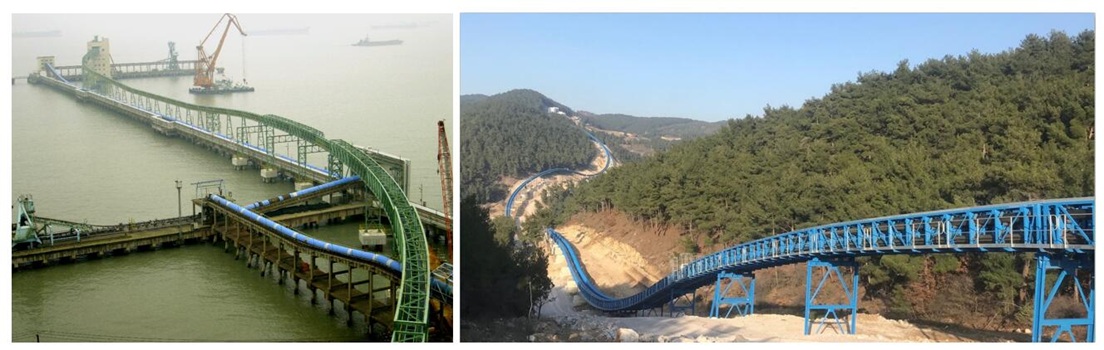
Tube belt conveyors move materials safely and quickly. But you can have problems that slow down your work or stop your system. Knowing about these problems helps you keep your conveyor working well. You can also avoid expensive repairs. Here are some common conveyor problems to watch for:
Belt Misalignment
Belt misalignment means the conveyor belt is not centered. The belt may move to one side or rub the frame. This is a common problem in pipe conveyor belts for bulk material transportation. Misalignment can wear out the belt unevenly. It can also make the belt slip or even start fires in small spaces. Workers can get hurt by sharp edges from stuck rollers. If the belt is not straight, you may see material spill and carry-back. This can make fire and health risks worse.
Tip: Misalignment can happen from uneven loading, bad chute design, or broken rollers. Checking your conveyor often helps you find these problems early.
Why it matters:
-
Causes uneven wear and slipping
-
Can stop your system for repairs
-
Makes your team less safe
-
Leads to more spillage and carry-back
Belt Slippage
Belt slippage means the horizontal tube belt conveyor loses grip. It does not move like it should. This is another common problem. Sometimes the belt stops but the drive pulley keeps turning. Slipping can happen in cold weather, if installed wrong, or if the pulleys are not tight enough. Buildup of material and bad lagging also make slippage worse.
Why it matters:
-
Wears out the belt faster
-
Lowers productivity and can break the system
-
Makes your conveyor less dependable
-
Can hurt the belt and other parts
Note: If you see the belt slip, check for buildup, tension problems, or lagging issues right away.
Material Spillage
Material spillage means stuff falls off the conveyor belt. This is a common problem and can be a big hassle. Spillage happens when the belt is not straight, loaded off-center, or the skirting does not seal well. Hard loading and bad material flow also cause more spillage.
|
Impact Type |
Description |
|---|---|
|
Increased Maintenance Needs |
Spilled material wears out conveyor parts and means more repairs and cleaning. |
|
Reduced Productivity |
Cleaning and fixing spillage slows work and causes downtime. |
|
Safety Hazards |
Spilled material can make people slip, trip, or fall, and block exits. |
|
Fire Hazards |
In coal mines, spillage can start fires, especially near motors and wires. |
Why it matters:
-
Means more cleaning and fixing
-
Slows down your work
-
Can cause safety and fire problems
-
Wastes good materials
Debris Accumulation

Debris accumulation is another common problem. Dust, dirt, and leftover stuff can pile up on the belt, rollers, and pulleys. This can make the belt move wrong, slip, or even rip. Debris wears out parts and can block the conveyor, causing downtime.
-
Material loss: Debris makes materials fall off and get wasted.
-
More wear and tear: Debris can rip and tear the belt.
-
Safety hazards: Falling debris can hurt people.
-
Possible downtime: Blockages and mistracking can stop your conveyor.
Tip: Clean your conveyor often to stop debris from causing bigger problems.
Roller Seizure
Roller seizure means the rollers stop turning. This is a serious problem and can cause more damage. Dirt, debris, no oil, and misalignment can make rollers seize. When a roller seizes, it can make sharp edges that hurt the belt and stress the motor.
-
Stuck rollers mess up conveyor work and wear out parts.
-
Friction from a stuck roller can hurt the belt and even start fires.
-
A seized roller slows the system and strains other rollers.
-
Steel rollers can seize more and cause blockages and mistracking.
Note: Clean, oil, and check your conveyor often to stop roller seizure and keep it safe.
You can have many common conveyor belt problems in tube belt conveyors. These include misalignment, belt slippage, material spillage, debris accumulation, and roller seizure. Each problem can make your system work worse, cause safety risks, and cost a lot to fix. By learning about these problems, you can stop them and keep your conveyor working well.
Causes and Solutions for Conveyor Belt Problems
Misalignment Causes and Fixes
When the conveyor belt moves off-center, it is misaligned. This can make the belt wear out unevenly. It can also cause more material to stick to the belt. Sometimes, it can even be unsafe for workers. Misalignment often happens from loading materials unevenly. It can also come from setting up the conveyor wrong or having broken rollers. If you do not fix misalignment, you will need more repairs. Your conveyor may also stop working more often.
Main Causes:
-
Loading materials unevenly
-
Setting up the conveyor wrong
-
Rollers that are broken or dirty
-
Pulleys that are not lined up right
Effective Solutions:
|
Method |
Description |
|---|---|
|
Self-aligning conveyor idler group |
Special idlers help keep the belt in the center. These work best for short conveyors. |
|
Pulley alignment |
Adjust the drive and tail pulleys. This keeps them straight and stops the belt from drifting. |
|
Material transfer point adjustments |
Make sure materials are loaded in the center. This helps stop the belt from moving sideways. |
Preventive Measures:
|
Preventive Measure |
|---|
|
Make sure the conveyor is set up right. |
|
Clean rollers often to stop debris and misalignment. |
|
Use devices that watch for belt misalignment. |
-
Put materials in the middle of the belt.
-
Check that the belt is straight and not damaged.
-
Make sure the belt ends are even before joining them.
Tip: Check and clean your conveyor often. This helps you find misalignment early. Early fixes mean fewer big repairs and less downtime.
Slippage Causes and Solutions
Belt slippage happens when the conveyor belt loses its grip. The belt does not move like it should. This can make more material stick to the belt. It can also slow down your work and cost more to fix. Slippage often happens when the belt is too loose. It can also happen if the pulleys are worn out or dirty. Sometimes, the wrong belt is used for the job.
Main Causes:
-
Belt is too loose
-
Pulleys are worn out or dirty
-
Wrong belt for the job
-
Material buildup on the belt or pulleys
How to Fix Slippage:
-
Add lagging to pulleys for better grip.
-
Make the belt tighter, but not too tight.
-
Change pulleys if they are worn or not the right size.
-
Clean the belt and pulleys often to stop buildup.
-
Use the right belt for your work and load.
-
Check all parts for damage or wear.
-
Add a snub pulley to help the belt grip better.
Note: Check for loose or broken parts often. Fix or replace worn parts quickly. Make a schedule for maintenance to stop sudden problems.
Preventing Material Spillage
Material spillage is when stuff falls off the conveyor. This wastes product and can be unsafe. It can also mean more repairs. Spillage often happens if the conveyor is not straight. It can also happen if too much is loaded or if the skirting is worn out.
Main Causes:
-
Conveyor is not lined up right
-
Too much material on the belt
-
Skirting or aprons do not seal well
-
Weight is not spread out evenly
How to Prevent Spillage:
-
Check the conveyor often for misalignment.
-
Watch for worn skirting and aprons.
-
Use troughed belts to keep material on the belt.
-
Put in good skirtboards and tight aprons.
-
Use impact beds to soften the load at loading spots.
-
Do not put more on the belt than it can hold.
-
Spread the weight out evenly on the belt.
-
Load materials the right way to stop overload.
Tip: Look at your conveyor often to find problems early. Clean up debris and check how the belt works when loaded. This helps stop spillage and material sticking to the belt.
Managing Debris Accumulation
Debris can block your conveyor and make more material stick to the belt. It can also mean more repairs. Dust, dirt, and leftover stuff build up on the belt, rollers, and pulleys. If you do not clean these, your conveyor can break down more and waste materials.
Cleaning Methods:
-
Air knife: Blows off leftover material with air.
-
Brush box: Brushes sweep away debris.
-
Sanitizing cleaner and sponge box: Cleans the belt with fluid and a sponge.
-
High-pressure water cleaning: Washes off tough dirt.
-
Foam cleaning: Breaks down sticky stuff.
-
Steam cleaning: Cleans and removes grease.
-
Scrapers: Take off debris before it builds up.
-
Wash boxes: Use water jets and brushes to clean all the time.
Best Practices:
-
Make a cleaning plan based on how much you use the conveyor.
-
Pick the right cleaning tools for your belt and mess.
-
Teach your team how to clean safely and well.
-
Watch the cleaning and change it if needed.
|
Cleaning Frequency |
Conditions |
|---|---|
|
After each major production run |
Best for top performance |
|
At least once a day |
Needed in busy places |
Alert: Clean after every big run and at least once a day in busy places. This stops debris from building up and cuts down on repairs.
Fixing Roller Seizure
Roller seizure is when rollers stop turning. This can hurt your belt and make more friction. You may need more repairs. Rollers can seize if they are not oiled, if debris builds up, or if bearings are worn out.
How to Fix and Prevent Roller Seizure:
-
Check rollers for damage or rough spots.
-
Change rollers that are stuck or broken right away.
-
Keep extra rollers ready to use for quick repairs.
-
Oil rollers often to stop them from getting too hot.
-
Follow a schedule to oil rollers for smooth work.
Tip: Check and oil rollers often. This helps you find problems early. Oiling rollers makes them quieter and stops bearing problems. Fast repairs keep your conveyor working and stop bigger issues.
If you know what causes these problems and how to fix them, you can stop breakdowns. You will have less material sticking to the belt and spend less on repairs. Regular checks, cleaning, and a good maintenance plan keep your tube belt conveyor working well.
Maintenance Tips and Checklist
Taking care of your tube belt conveyor is important. You need a good routine to keep it working well. These tips help you stop problems before they start. If you check your conveyor often, it will last longer. A regular maintenance plan keeps your system running smoothly.
Daily Maintenance Tasks
Check your conveyor every day. This helps you find small problems early. Use this table to help with your daily checks:
|
Maintenance Task |
Description |
|---|---|
|
Visual Inspection |
Look for damage or wear on the belt. |
|
Belt Tension |
Make sure the belt is tight enough. |
|
Tracking Alignment |
Watch that the belt stays in the center. |
|
Pulley and Roller Condition |
Check for damage or dirt on pulleys and rollers. |
|
Fastener Check |
Make sure all fasteners are tight and working. |
|
Lubrication |
Put oil on moving parts if needed. |
|
Material Buildup |
Clean off any material from the belt and rollers. |
|
Noise and Vibration Monitoring |
Listen for odd sounds and feel for shaking. |
Tip: Checking your conveyor every day keeps it safe and working.
Weekly Maintenance Tasks
Each week, do a deeper check of your conveyor. Weekly checks help you keep it clean and safe.
-
Clean the whole system, even hard-to-reach places.
-
Look at guards and covers for any damage.
-
Make sure you have supplies for quick repairs.
-
Test all safety switches and alarms.
-
Check the belt’s tracking and tension again.
-
Look for wear on rollers and pulleys.
Note: Weekly checks help you find problems early and stop big repairs.
Monthly Maintenance Tasks
Check your conveyor every month for hidden problems. Follow these steps:
-
Look at bearings and the belt for problems.
-
Check if parts need more oil.
-
Test the belt’s tension and look at splices.
-
Make sure pulleys work and stop spillage.
-
Listen to the motor and check its temperature.
-
Check bolts and oil in the reducer.
-
Look at the chain and wearstrips for damage.
-
Remove anything that could block the conveyor.
Alert: Monthly checks help you stop problems and keep your conveyor running.
Annual Maintenance Tasks
Once a year, give your conveyor a full checkup. You should:
-
Inspect everything for wear and damage.
-
Oil moving parts to stop friction.
-
Clean the system to stop fires and breakdowns.
-
Adjust the belt tension to stop slipping.
-
Teach workers how to fix and care for the conveyor.
-
Fix any damage right away to stop bigger problems.
-
Check all parts for signs of getting old.
Tip: Yearly checks help you avoid big repairs and make your conveyor last longer.
If you follow these tips, your conveyor will work better. Clean it often and stick to your maintenance plan. This helps you avoid sudden repairs and keeps your workplace safe.
Building a Conveyor Belt Maintenance Plan
A strong maintenance plan helps your tube belt conveyor work well and stay safe. You need to plan ahead and train your team. Keep good records and get ready for emergencies. Each step helps you stop costly breakdowns. It also keeps your workplace safe.
Scheduling and Planning
You should make a clear schedule for all maintenance jobs. Use a calendar to show when to check, clean, and fix your conveyor. Make checklists for daily, weekly, monthly, and yearly tasks. This helps you find problems before they get worse.
Key parts of a good maintenance plan are:
-
Basic hand tools for tightening and repairs
-
Belt splicing tools for quick repairs
-
Alignment and leveling tools to fix tracking
-
Regular checks to find wear or damage early
-
Cleaning and oiling to lower friction and wear
-
Belt adjustment to stop early failure
Tip: Keep your tools neat and ready. This saves time when you need to fix things.
Staff Training and Safety
You need to teach your staff how to work safely and fix problems fast. Good training covers easy and hard topics. Teach your team about conveyor dangers and safe habits. When your team knows what to watch for, they can find problems and fix them fast. Get managers to help with training to build a safe workplace.
-
Teach safe work habits
-
Show how to find and fix problems
-
Go over emergency steps often
Alert: Well-trained staff help stop accidents and keep your conveyor working longer.
Documentation and Records
Keep good records of all maintenance work. Write down what you check, clean, or fix each time. Use a logbook or computer to track checks, repairs, and parts changed. Good records help you see patterns and plan for what you need later.
|
Record Type |
What to Include |
|---|---|
|
Inspection Logs |
Date, what you found, what you did |
|
Repair Records |
Parts fixed, who did the work |
|
Training Records |
Staff trained, topics covered |
Emergency Protocols
Get ready for emergencies before they happen. Make sure everyone knows what to do if the conveyor stops or there is an accident. Put emergency steps near the conveyor. Practice drills so your team can act fast.
-
Make clear shutdown steps
-
List emergency contacts
-
Teach staff how to act fast
Note: Fast action in emergencies can save equipment and keep your team safe.
You can have problems like conveyor belt tracking issues, mistracking, and belt tears. Sometimes, the belt can rip at the seams or have other troubles. Regular checks and a good maintenance plan help stop these problems. Inspections help you find tears early and keep your conveyor working. Troubleshooting and fixing alignment problems quickly is important. The checklist below shows how maintenance helps:
|
Benefit |
Description |
|---|---|
|
Enhanced Equipment Reliability |
Maintenance helps your conveyor last longer and work better. |
|
Improved Operational Efficiency |
Checking the belt and conveyor keeps things running right. |
|
Minimized Energy Consumption |
Taking care of your conveyor saves energy and money. |
|
Enhanced Productivity |
A smooth conveyor helps you get more work done. |
|
Risk Mitigation |
Maintenance keeps workers safe and stops accidents. |
|
Promotion of Safety Compliance |
Safety checks help you follow the rules. |
|
Cost Reduction |
Fewer breakdowns mean you spend less money. |
|
Operational Reliability |
A reliable conveyor helps your work stay on schedule. |
Keep following your maintenance plan to help your conveyor work well.



 IPv6 network supported