

 Company Profile
 Social Responsibility
 Get A Quote
You are important for making stacker reclaimers work well. Good operation and Maintenance help these machines run better and stay useful longer. If you skip regular care, the machines may break down more often. This can also make things unsafe for your team.
Tip: Always follow safety rules. Check equipment before you start work.
Key Takeaways
-
Doing regular maintenance helps stacker reclaimers work well and stay safe. Check the equipment often so you can find small problems early. This stops them from turning into big problems.
-
If you know the main mechanical and electrical parts, you can spot failures sooner. Checking these parts often can stop expensive repairs.
-
Use special tools to watch how your stacker reclaimer works. Alerts in real time help you fix problems fast and keep things safe.
-
Do preventive maintenance steps to make your equipment last longer. Plan regular checks and use good materials to save money over time.
-
Think about upgrades to make your machine more reliable and efficient. Buying new technology can cut down on downtime and keep your team safer.
Importance of Maintenance
Efficiency and Longevity
Doing regular maintenance helps your stacker reclaimer work well. Studies say that fixing things before they break keeps the machine running. This means your machine moves stuff without stopping a lot. If you find small problems early, you stop big problems later.
-
How well your machine works depends on its design, who made it, and how you care for it.
-
Machines with smart sensors and IoT tools break less.
-
Regular checks and fast fixes help your stacker reclaimer work smoothly.
-
Good habits make your equipment last longer, keep people safe, and save money.
Safety in Harsh Environments
Stacker reclaimers work in hard places like ports, mines, and factories. Dust, water, and heavy loads can hurt your machine if you do not check it often. You keep your team and machine safe by doing regular maintenance.
Note: Stacker reclaimers help make mining and port work safer and use less energy. Taking care of your machine is important for safety and long life.
Cost and Downtime Reduction
You save money and stop long breaks by caring for your stacker reclaimer. Running and fixing these machines costs a lot, but regular checks make it cheaper. Using new designs and automation also helps stop downtime.
|
Evidence Type |
Description |
|---|---|
|
Durability & Maintenance |
Strong machines break less; easy care makes them cheaper over time. |
You can use variable speed drives to control motors. This helps your machine use less energy and stops it from wearing out fast. So, you pay less for repairs and energy.
Stacker Reclaimer Components
Mechanical Systems
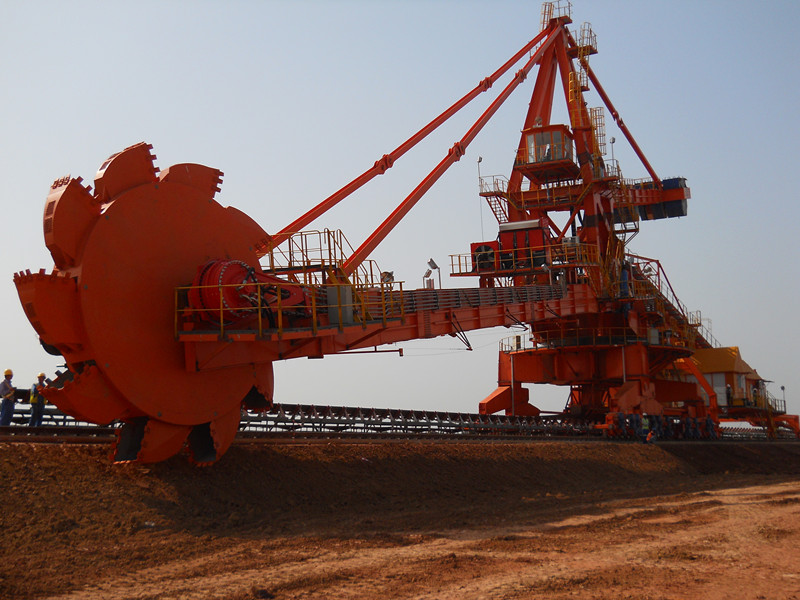
It is important to know the main mechanical parts. These parts work hard every day and face tough conditions. You should check them often to find problems early. The table below lists the main parts and common problems:
|
Mechanical Component |
Issues Identified |
|---|---|
|
Main Reclaimer Bridge |
The connecting point can get weak and break. |
|
Structural Bolts and Nuts |
Rust can make the structure bend and shake. |
|
Bogie Weldment Balancing Pins |
Rust and wear stop bogies from moving well on rails. |
|
Bucket Wheel Frames |
Parts can wear out and rust over time. |
|
Travel Drives |
The torque arm can move when slowing down or stopping. |
|
Outside Rails |
Rails can get out of line and cause problems. |
|
Spherical Bearings / Ball and Socket |
Bad alignment stops end frames from moving over bumps. |
|
Travel Wheels |
Wheels can wear down and cause travel trouble. |
|
Painting |
Paint can crack and peel, showing rust that needs fixing. |
Tip: Check these parts often. Fixing problems early keeps your machine safe.
Electrical Systems
Electrical systems help the stacker reclaimer move and stay safe. Motors make the machine move. Sensors watch speed, position, and load. Control panels help you run the machine and find problems. Wires connect everything and send signals. If wires are loose or sensors are broken, fix them fast. Clean panels and tight wires help stop breakdowns.
Hydraulic and Lubrication
Hydraulic and lubrication systems help the machine work smoothly. Hydraulic systems use oil pressure to move heavy parts. They help lift, turn, and move the stacker reclaimer. Lubrication systems lower friction and stop parts from wearing out.
-
Use lubricants carefully to keep them clean.
-
Take care of the lubrication system for steady oil flow.
-
Use good filters to keep oil clean and help equipment last.
-
Check oil often to find problems early.
Checking these systems often helps stop sudden breakdowns. Watching their condition helps you find small problems before they get big. When you care for these systems, your stacker reclaimer works better and lasts longer.
Maintenance Procedures
Routine Maintenance Checks
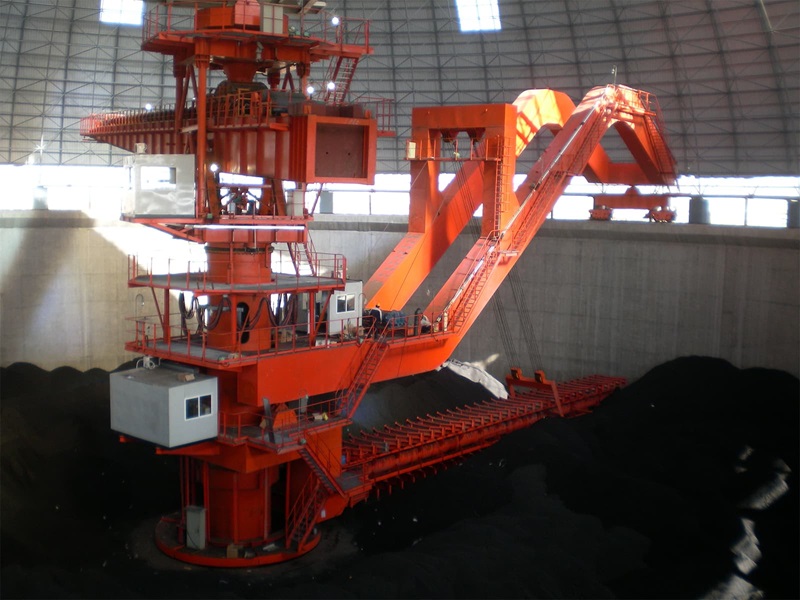
You should check your stacker reclaimer often. This helps it work well. Look at oil use and temperature in the drives. If oil drops or heat goes up, there may be a leak. A part might be worn out. Turn off the machine and let it cool before you check anything.
Here are steps for oil and drive checks:
-
Make sure the machine is off and cool. Get your tools ready. Look at the manual for the right oil and how much you need.
-
Drain old oil to get rid of dirt.
-
Clean the gearbox with safe solvent or fresh oil.
-
Choose good synthetic oil for your machine.
-
Fill the gearbox to the right level. Do not put in too much oil.
-
Look for leaks. Start the machine slow. Watch the heat and listen for odd sounds.
Check hydraulic hoses, cylinders, and power packs for leaks. Clean all parts, even the hydraulic power pack. Look at the oil tank for leaks. Make sure filters are clean. Change them if needed. Check the oil cooler, valves, and motors for dirt or damage. Make sure the auto lubrication system works. Look at conveyor belts, joints, pulleys, and bearings for wear.
Tip: Use your maintenance manual to help you. It shows all the parts to check and gives easy steps.
Preventive Steps
You can stop problems before they start. Do regular maintenance to avoid big repairs. This helps your machine last longer. Use strong materials and new technology to make your equipment better. Monitoring systems help you find small problems early.
Here are some steps to follow:
-
Check all hydraulic hoses and cylinders for leaks.
-
Clean every part, even the hydraulic power pack.
-
Look at oil levels and change filters if needed.
-
Make sure the auto lubrication system works for all bearings.
-
Check couplings, conveyor belts, and pulleys for smooth movement.
|
Maintenance Practice |
Benefit |
|---|---|
|
Scheduled Maintenance |
Less downtime and fewer big repairs if you follow a schedule. |
|
Use of Advanced Materials/Tech |
Equipment lasts longer and works better. |
|
Monitoring Systems |
You find problems early and fix them fast. |
Note: Always use your maintenance manual to help you fix problems and find the right parts.
Common Mistakes
People make some mistakes often when doing maintenance. If you know what to watch for, you can keep your machine safe.
-
Buckets can crack at the corners near the teeth. If you use broken buckets, the problem gets worse. Change them right away to stop more damage.
-
Misalignment makes cylinder parts wear out faster. Seals and piston rings can break. You may use more oil and spend more money.
-
Misalignment can also make the machine move in a jerky way. This shakes other parts and can be unsafe.
-
If you skip regular checks, the machine can break down suddenly.
Alert: Do not ignore strange sounds, leaks, or changes in movement. Small problems can become big ones if you wait too long.
You can avoid these mistakes by following a set schedule. Use the right materials and check your machine often. Always read your maintenance manual before you start work.
Troubleshooting Issues
Identifying Problems
You need to find problems early to keep your stacker reclaimer working well. Small signs can show up before big failures happen. Watch for uneven reclaiming, odd noises, or shaking. These signs often mean something is wrong with the machine’s parts or systems.
Here is a table that shows common problems and what causes them:
|
Early Warning Sign |
Possible Causes |
|---|---|
|
Uneven Reclaiming |
Scraper blades not set right, uneven material, wrong boom angle |
|
Chain or Scraper Wear |
Not enough oil, parts not lined up, heavy loads |
|
Noise and Vibration |
Loose bolts, worn bearings, drive shafts not lined up |
|
Control System Malfunctions |
Electrical problems, sensor errors |
You might also see battery problems, motor trouble, or hydraulic failures. These issues can stop your machine or make it unsafe. The table below lists common problems and ways to fix them:
|
Problem |
Description |
Solution |
|---|---|---|
|
Battery Issues |
Batteries lose power and do not last long |
Take care of batteries and charge them the right way |
|
Motor Malfunctions |
Motors get hot, make noise, or stop working |
Look for damage, clean motors, and check cooling |
|
Hydraulic System Failures |
Leaks, slow lifting, or lifting stops because of bad seals |
Check fluid, look at hoses and seals, do regular maintenance |
Tip: Listen for new sounds and watch for changes in movement. These can help you find problems before they get worse.
Diagnostic Tools
You can use special tools to find problems faster and more easily. Advanced diagnostic technology helps you see what is happening inside your stacker reclaimer. Real-time monitoring lets you watch the machine all the time. You get alerts if something goes wrong. Data analysis helps you learn how your machine works over time.
Here is a table that shows how these tools help you:
|
Feature |
Benefit |
|---|---|
|
Real-time monitoring |
You see machine status right away and spot issues quickly |
|
Fault early warning |
You get alerts before problems grow, so you can fix them sooner |
|
Data analysis capabilities |
You learn from past performance and make your machine work better |
You can use sensors, control panels, and software to check for faults. These tools help you find problems with motors, hydraulics, and electrical systems. You can also use handheld devices to test batteries and check oil temperature.
Note: Use your diagnostic tools every day. This helps you catch problems early and keep your machine safe.
Solutions and Upgrades
You can fix problems with simple steps or by upgrading your stacker reclaimer. Regular maintenance solves many issues, but new technology makes your machine even better. Upgrades help you work safer and need fewer repairs.
Here are some upgrades that improve reliability:
|
Upgrade Type |
Benefits |
|---|---|
|
Dynamic-braking modifications |
Safer stops, less wear on brakes, better accuracy |
|
Electrical upgrades |
Better accuracy with new sensors, improved control with updated PLCs |
|
Monitoring system enhancements |
Dual screens lower user errors and make pile management safer |
You can swap old hoist encoders for inclinometers to get better control. Updating your PLCs makes your machine respond faster. Adding dual HMI screens helps you avoid mistakes and keeps your team safe.
Alert: Upgrades cost money, but they save you time and repairs in the long run. Choose upgrades that fit your needs and budget.
You keep your stacker reclaimer running well by finding problems early, using smart diagnostic tools, and making smart upgrades. This helps you avoid downtime and keeps your team safe.
You can keep your stacker reclaimer working well by doing regular maintenance and fixing problems quickly. Learning new things helps you stay safe and makes your machine last longer.
-
You can stop accidents by getting better at your job.
-
You can make your work faster by learning new ways to do things.
Making smart upgrades saves you money over time.
|
Aspect |
Description |
|---|---|
|
Initial Investment |
You pay more at first for better parts and systems. |
|
Long-term Savings |
You spend less later because you fix things less and your machine lasts longer. |
Keep learning, read your manuals, and plan upgrades to get the best results.
FAQ
How often should you perform routine maintenance on a stacker reclaimer?
Check your stacker reclaimer every week. Do a bigger inspection every month. Use your maintenance manual to plan your checks.
Tip: Doing regular checks helps your machine last longer and stay safe.
What signs show that your stacker reclaimer needs urgent repairs?
Watch for these signs:
-
Loud sounds
-
Oil leaking
-
Machine moves in a jerky way
-
Warning lights turn on
If you see any of these, stop the machine. Call a technician to fix it.
Which tools help you find problems quickly?
You can use sensors, handheld testers, and control panel software. These tools show you live data and warn you about problems.
|
Tool |
Use |
|---|---|
|
Sensor |
Finds changes |
|
Tester |
Checks batteries |
|
Software |
Spots errors |
Can you upgrade old stacker reclaimers for better performance?
Yes, you can add new sensors and better brakes. You can also upgrade control panels. These upgrades help your machine work faster and safer.
Note: Upgrades cost money now but save time and repairs later.



 IPv6 network supported