
 Company Profile
 Social Responsibility
 Get A Quote
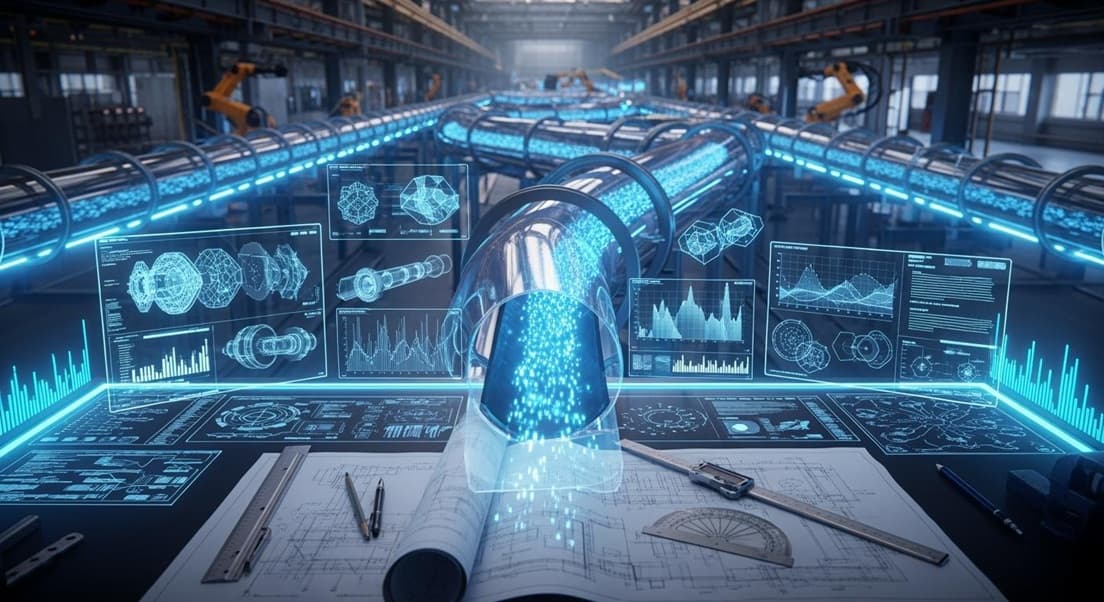
Design considerations are crucial for tube conveyors in factories. Choosing the right conveyor involves evaluating the material type, the desired speed, and the available space. These design considerations significantly impact the system's efficiency in moving items, the safety of workers, and the ease of cleaning.
-
Versatility allows tube conveyors to fit into compact areas and transport delicate materials.
-
Cleaning efficiency reduces the time required for maintenance and sanitation.
-
Gentle conveyance ensures that materials remain undamaged.
Effective design considerations facilitate the gentle movement of materials, minimize the risk of contamination, and simplify cleaning and maintenance tasks. These factors contribute to maintaining workflow and preventing extended downtimes.
Creating a conveyor that aligns with the material and environment enhances its performance and ensures worker safety.
Tube Conveyor System Features
Unique Design Elements
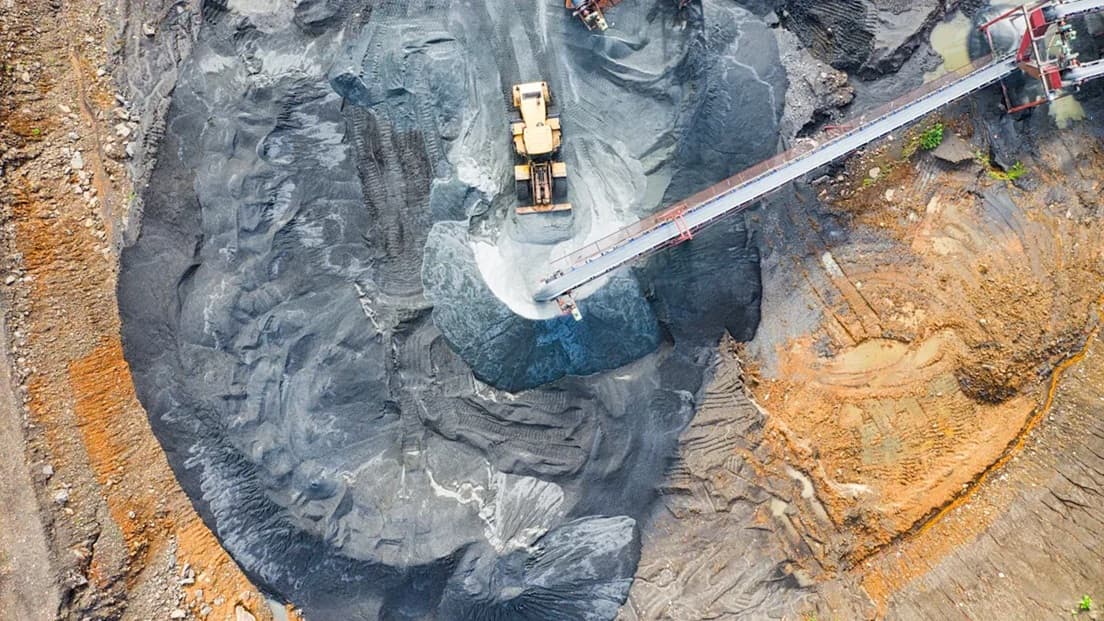
Nhi‘s Tube conveyor systems are different because they keep materials inside a tube. This stops things from spilling and keeps them clean. The belt wraps into a tube shape to protect breakable items. Regular spillage free tube conveyors have an open belt, so things can fall out or get ruined more easily.
The tube conveyor can go around sharp turns and up steep slopes. This makes it fit in small spaces and move things through tricky paths. The closed tube also makes it last longer and work better. Workers see fewer problems and less time fixing things because the tube protects the belt and what it carries.
Tip: Tube conveyor systems often have special features like emergency stops and sensors. These help spot problems and stop accidents, so workers stay safe.
|
Feature |
Tube Belt Conveyors |
Conventional Belt Conveyors |
|---|---|---|
|
Design |
Encloses materials in a tube |
Open belt configuration |
|
Spillage Prevention |
Yes |
No |
|
Routing Options |
Complex and steep inclines |
Limited |
|
Durability |
Higher |
Lower |
|
Efficiency |
Enhanced |
Standard |
Typical Applications
Many businesses use tube conveyor systems for safe and easy moving of materials. Breweries, chemical plants, ceramic factories, food makers, medicine companies, and printing shops all use these systems. Each business has its own needs, so the system can be changed to fit.
-
Tube conveyor systems help things move faster and cut down on lifting by hand.
-
They keep delicate materials safe, which is very important in food and medicine making.
-
The belt and tube design stops products from getting ruined or dirty.
Workers pick tube conveyor systems for small spaces and breakable items. The system keeps things from breaking and keeps them safe. New technology, like smart repairs and motors that save energy, make the system work even better. These things help companies move more stuff and make money faster.
Key Design Considerations for Tube Conveyors
Material Handling and Belt Selection
When designing a tube conveyor, engineers first study the material. They look at things like particle size, moisture, and how heavy the material is. They also check if the material is rough or soft. These things help them pick the right belt and design. For example, small or big particles can change how the belt moves. Wet materials need belts that do not get damaged by water. Heavy materials need stronger belts to carry the load. If the material is rough, the belt must be tough. Some materials are sensitive to heat or flow differently, so the belt must match these needs. Engineers always try to match the belt to the material. If the air is very wet, they use special belts. Big or sharp pieces can wear out the belt, so a stronger belt is needed. Rough materials make the belt work harder, so it must be strong. The right belt helps the conveyor move things smoothly and keeps it working well.
Throughput and Layout Constraints
Every tube conveyor must fit in the space given and move enough material. Engineers plan the path, turns, and slopes of the conveyor. Modular designs let them change the system to fit any space. Low-profile conveyors fit under most ceilings. Curved conveyors help move things around corners and up slopes.
|
Evidence Description |
Impact on Design and Efficiency |
|---|---|
|
Modular design lets engineers change the layout easily. |
Makes it easy to fit in different spaces. |
|
Low profile fits under almost any ceiling. |
Helps use space better in small areas. |
|
Curved design helps go around corners and slopes. |
Makes moving materials easier in tight spots. |
Engineers plan carefully to avoid things like columns or machines. They also think about how much the conveyor can carry and how fast it should go. A good layout helps the conveyor meet its goals without wasting space or energy.
Safety and Regulatory Compliance
Safety is very important when designing a conveyor. Tube conveyor systems have guards, emergency stop buttons, and warning systems to keep workers safe. Sensors and alarms find problems early. Warning labels help workers know what to do. Regular checks keep the system safe and working well.
|
Safety Feature |
Description |
|---|---|
|
Guarding |
Stops people from touching moving parts and getting hurt. |
|
Emergency Shut-Off Buttons |
Lets workers stop the conveyor fast if something is wrong. |
|
Start-Up Warning Systems |
Warns people to move away before the conveyor starts. |
|
Scheduled Maintenance |
Regular checks find and fix problems before they get worse. |
|
Personal Protective Equipment (PPE) |
Keeps workers safe when they are near the conveyor. |
|
Sensors and Alarms |
Finds problems in the system and helps stop accidents. |
|
Proper Stickers and Warning Labels |
Gives clear warnings and instructions to keep workers safe. |
Rules like FDA, CE, and ISO affect how conveyors are made. These rules say what materials and features are needed for safety and cleanliness. Food and medicine factories need special designs, like washdown parts and stainless steel frames. Local rules may ask for green materials and motors that save energy. Regular checks make sure the conveyor meets all the latest rules.
Note: Following safety rules keeps workers safe, makes the system work better, and stops long delays.
Structural Integrity and Frame Options
The frame holds up the whole tube conveyor. Good design keeps the belt straight and stops it from breaking. Engineers pick channel or truss frames based on the load and ground. Truss frames are stronger for heavy loads and long distances. Channel frames are good for lighter loads and short distances.
-
A strong frame keeps the belt straight and tight.
-
Truss frames last longer when used a lot or in tough places.
-
The frame choice affects how well the conveyor works now and later.
If the ground is not flat, engineers may use special supports or custom frames. The right frame lets the conveyor handle the weight, motors, and speed without bending or breaking.
Tip: Checking the frame often helps stop big repairs and keeps the conveyor working well.
Efficient Conveyor Design for Performance
Maintenance and Cleaning Solutions
A good tube conveyor system makes cleaning and fixing easier. Workers often deal with worn belts, loose bolts, and stuff building up inside the tube. They must oil moving parts and tighten bolts often. They also check for chain and disc wear. Workers look at the tube to see if it is damaged. Sometimes, they take apart parts to look closer. They run tests on the whole system. Changing old parts early stops sudden breakdowns. Many companies get experts to check the system well.
Steep angle tube conveyor systems can be cleaned with water or without it. Clean-in-place (CIP) lets workers clean the belt without taking it apart. This saves time and keeps workers away from strong cleaners. The table below shows how cleaning is different from open belt conveyors:
|
Criteria |
Tube Conveyor Systems |
Traditional Open Belt Conveyors |
|---|---|---|
|
Cleaning Methods |
Wet and dry, including CIP |
More manual cleaning needed |
|
Contaminant Trapping |
Minimizes spillage and contamination |
Can trap contaminants, needs frequent disassembly |
|
Employee Contact |
Less contact with cleaning agents |
More manual intervention |
Environmental Protection and Enclosure Benefits
A tube conveyor system is closed all the way. This helps the environment a lot. The closed tube keeps dust and dirt inside. This makes the workplace cleaner and safer. It also stops things from spilling out. This means less waste and less cleaning. In windy or dusty places, the tube keeps materials safe from start to end. Companies that use closed conveyors have fewer spills and less dust. This helps them follow rules and avoid fines. The closed system keeps workers and the environment safe.
Note: The closed design helps companies work better and follow tough rules.
Optimizing for Space and Flexibility
Tube conveyor systems fit well in small spaces. Designers use tall spaces to save floor space. Modular designs let companies change the system when needed. This helps when adding new machines or changing lines. Workers still need room to check and fix the belt. Designers make sure there is enough space for this. A careful check of the site helps find the best path for the conveyor. This avoids things in the way and uses space well. Companies pick modular systems so they can grow later.
Tip: Using both flat and sloped conveyors in a tube system moves things well in tricky spaces.
Comparing Tube Conveyor Systems to Alternatives
Performance and Cost Differences
Tube conveyor systems are different from other types. The tube keeps materials safe inside and stops spills. This helps keep products good, especially if they break easily. The closed belt means less time fixing and cleaning. Screw conveyors need more cleaning and can hurt fragile things. Trough belt conveyors can let things spill or get dirty.
The table below shows how tube conveyor systems and screw conveyors are different:
|
Feature |
Tubular Conveyor |
Screw Conveyor |
|---|---|---|
|
Material Handling Capabilities |
Handles delicate materials gently |
Can cause damage to fragile materials |
|
Maintenance Requirements |
Low-maintenance due to enclosed design |
More labor-intensive cleaning required |
|
Design Features |
Enclosed design minimizes downtime |
Lacks clean-in-place mechanisms |
Tube conveyor systems can save money over time. They may cost more at first, but they cost less to run and fix. The closed tube and belt do not break as much and need less cleaning. The table below shows the cost differences:
|
Cost Type |
Description |
|---|---|
|
Initial Costs |
Equipment, installation, and controls costs. |
|
Operational Costs |
Costs related to electrical usage and air consumption. |
|
Maintenance Costs |
Spare parts, replacement parts, and labor costs. |
|
Long-term Costs |
Higher initial costs may be offset by lower operational and maintenance costs over time. |
|
Conveyor Type |
Different conveyor types have varying efficiencies and maintenance needs, impacting overall costs. |
Tip: Tube conveyor systems help stop product loss and make fixing easy. This saves money over time.
Suitability for Specific Materials
Tube conveyor systems are best for some materials. The closed tube and belt protect breakable things like pasta and cereal. Dangerous materials move safely inside the tube, so people stay safe. Clean items do not get dirty while moving. Small and powdery things move well and do not get lost.
|
Material Type |
Description |
|---|---|
|
Delicate materials |
Fragile items like pasta, cereals, and sugar that require gentle handling during transport. |
|
Hazardous materials |
Toxic substances that need to be contained to prevent exposure and contamination during transport. |
|
Clean materials |
Products that must remain uncontaminated and protected from the external environment. |
|
Small and powdered |
Fine materials that can be easily lost or blown away, requiring efficient and enclosed transport. |
Other conveyor types have some problems. Tubular drag conveyors are not always the cleanest but are gentle. Screw augers can break fragile things but move lots of stuff. Pneumatic conveyors move light things far but can hurt breakable items. Drag chain conveyors carry heavy loads but need lots of cleaning. Cable conveyors are good for food but use more energy.
Note: Picking the best conveyor depends on the material, the belt, and what the site needs.
Good conveyor design helps it work well for a long time. Engineers pick materials that fit where the conveyor will be used. They also plan so it is easy to fix. This makes the conveyor last longer and change when needed.
-
Planning ahead stops the conveyor from breaking or moving wrong.
-
Getting workers and repair teams involved early helps the conveyor fit the job.
-
Picking the right materials for heat and wetness keeps things working.
|
Case Study Title |
Description |
|---|---|
|
PureSteel® Metal Belts |
Helped machines work better and more often. |
|
Automated Medical Tubing Production |
A special vertical conveyor made products faster and better. |
Picking the best conveyor for each place stops common problems. Teams should check how much space there is, talk to important workers, and make sure the conveyor has the right features.



 IPv6 network supported