
 Company Profile
 Social Responsibility
 Get A Quote
You might wonder what sets a stacker apart from a Stacker Reclaimer. The big difference is simple: a stacker only stacks material, while a Stacker Reclaimer stacks and also reclaims it. Why does this matter to you? Choosing the right system can change how much you spend and how smoothly your operation runs. Recent industry reports point out a few things:
-
Picking the right vendor for Stacker Reclaimer can make your work more efficient.
-
Technology choice helps you save money over time.
-
Knowing vendor strengths and weaknesses helps you make smart decisions.
Key Takeaways
-
Stackers only put materials in piles. Stacker reclaimers pile and take materials back. Pick the right one for your work needs.
-
Stacker reclaimers do two jobs with one machine. This saves space and time. Big jobs can run better with them.
-
Using smart controls and automation helps keep workers safe. It also lowers the cost of labor.
-
Think about your money and job size before you choose. Stackers work well for small jobs. Big jobs may need stacker reclaimers.
-
Keep your machines in good shape with regular care. Train workers to use them well. This helps your machines last longer and work better.
Stacker Overview
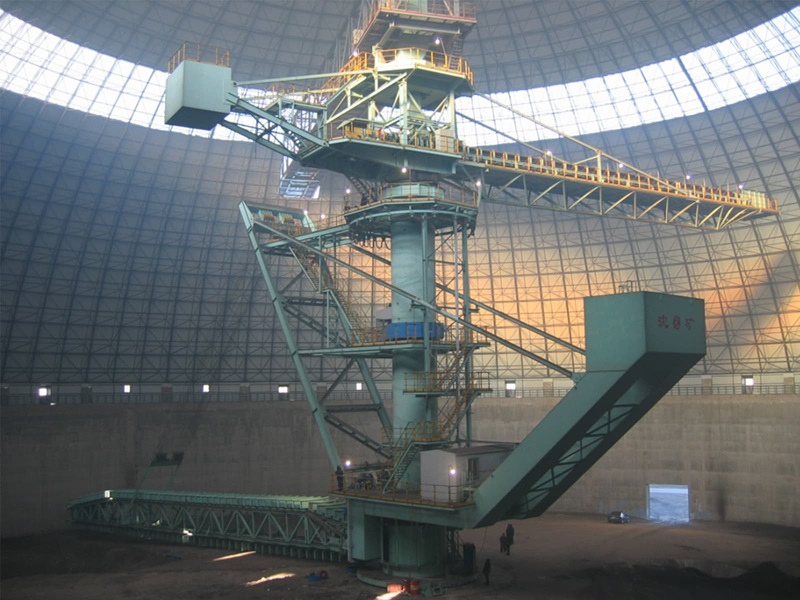
What Is a Stacker?
You can see a stacker in places that move lots of material. This machine helps you lift and stack heavy things. It has many parts that work together. These parts help keep the job safe and easy. Here are the main parts and what they do:
|
Component |
Description |
|---|---|
|
Upper Track |
Holds up the crane at the top. |
|
Column |
Supports the upper track and other pieces. |
|
Lower Track |
Lets the stacker move on the ground. |
|
Cargo Platform |
You put the material here to lift it. |
|
Operating Table |
This is where you control the stacker. |
|
Control Cabinet |
Has the controls and wires inside. |
|
Anti-falling System |
Stops things from dropping while you use it. |
|
Overhead Track |
Extra track above for more ways to move. |
|
Ground Track |
Helps the stacker move on the ground. |
|
Maintenance Platform |
Place for fixing and checking the stacker. |
|
Safety Ladder |
Lets you climb up safely to reach high spots. |
Stackers use a modular design. You can change parts easily. This makes fixing and upgrading simple. The design keeps the stacker steady and easy to build.
Stacker Functions
A stacker does two main jobs. It stacks materials into neat piles. It also helps you move or reclaim materials when needed. Many stackers use hydraulic systems to lift things. Some use electric motors and batteries. These make the stacker work better and easier. Some models work like a pallet jack. Some can be pulled by hand.
Tip: Electric stackers are quiet and good for the planet. They also need less fixing.
Typical Uses
Stackers are used in many jobs. Here is a table that shows where people use them and what they do:
|
Industry |
Typical Use Case |
|---|---|
|
Mining |
Piling ores, coal, and minerals |
|
Cement Plants |
Organizing limestone and gypsum |
|
Ports and Terminals |
Handling bulk goods for import or export |
|
Power Plants |
Moving coal or biomass fuel |
|
Agriculture |
Storing grains, cereals, or fertilizers |
No matter your job, a stacker helps you move lots of material fast and safely.
Stacker Reclaimer Overview
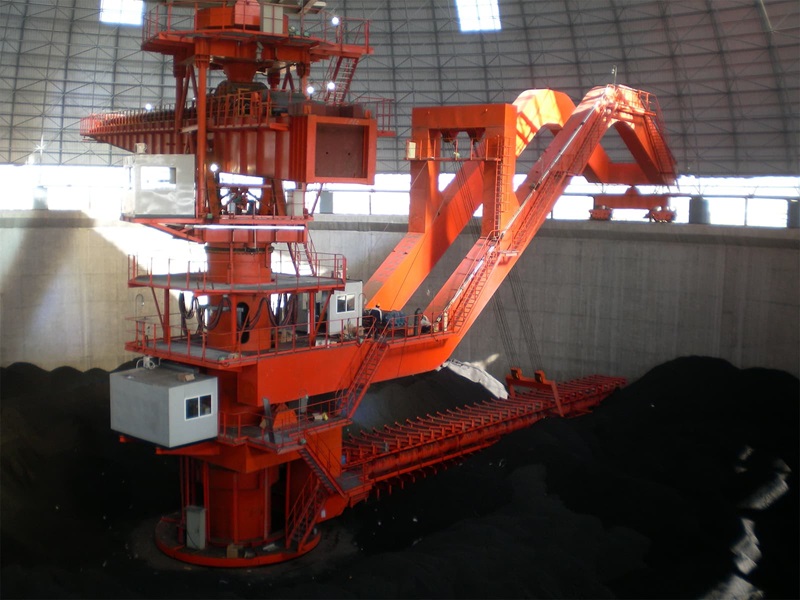
What Is a Stacker Reclaimer?
You can find a stacker reclaimer at big work sites. This machine is very large and strong. It does more than just stack things. It can also take materials from piles when you need them. The stacker reclaimer moves on tracks and has long arms. These arms help it reach across big piles. You can control it from a cabin or by using automatic systems. Many companies pick stacker reclaimers because they save both space and time.
Dual Functions
A stacker reclaimer is special because it does two jobs. It can stack and reclaim with one machine. Here is what it does for you:
|
Function |
Description |
|---|---|
|
Material Storage |
You use the stacker reclaimer to make big piles of raw materials. |
|
Stacking |
The machine makes neat piles so you use your space well. |
|
Reclaiming |
When you need something, the reclaimer scoops it up with a scraper or bucket. |
|
Transport |
The machine sends the material to conveyors to move it to other places. |
|
Automation |
New stacker reclaimers use sensors and smart controls to work safely and smoothly. |
Tip: If you want your work to keep going, a stacker reclaimer helps. You can switch between stacking and reclaiming fast.
Applications in Large-Scale Operations
Stacker reclaimers are used where there is a lot of material to handle. These machines are best for moving, storing, and getting things like coal, iron ore, or wood chips. Here are some ways people use them:
-
Stacking and reclaiming big amounts of coal, iron ore, and wood chips.
-
Making large piles for power plants and mines.
-
Using automatic designs for things like wood chips to lower damage and pollution.
-
Working in ironworks, ports, and fertilizer plants to move materials quickly and easily.
If you have a big job, a stacker reclaimer helps you handle materials with less work and more speed. You can control your piles better and keep your work going without stopping.
Stacker and Reclaimer Systems: Key Differences
Functionality Comparison
Stacker and reclaimer systems do different things. A stacker makes piles of material. A reclaimer takes material from those piles. Some machines do both jobs together. You can stack and reclaim with one machine. You do not need to switch equipment.
Here’s a table that shows how these systems compare:
|
Feature |
Stacker Only |
Stacker Reclaimer |
|---|---|---|
|
Main Function |
Stacking |
Stacking + Reclaiming |
|
Material Handling |
One-way |
Two-way |
|
Automation |
Basic or manual |
Advanced, automated |
|
Space Use |
Needs more machines |
Saves space |
|
Flexibility |
Limited |
High |
|
Efficiency |
Moderate |
High |
|
Cost |
Lower upfront |
Higher upfront, lower long-term |
Stacker and reclaimer systems give you more choices. You can stack and reclaim with the same machine. This saves time and makes your job easier.
Operation & Flexibility
You want your work to go well. Stacker and reclaimer systems help with that. You can switch between stacking and reclaiming quickly. You do not need to move material between machines. This means less waiting and fewer steps.
Automation makes these machines even better. Sensors and smart controls keep things safe. You can check your machines from far away. Predictive maintenance helps you fix problems early. These features make your work faster and safer.
Safety is important every day. You should use emergency stop buttons and alarms. Interlocks help keep things safe. Good lighting and clear signs help people see. Fencing keeps people out of danger. Regular checks find problems early. Training helps your team use the machines right. Following rules keeps everyone safe.
Stacker and reclaimer systems are good for busy places. You can move lots of material without slowing down. You get more control and less risk.
Cost & Efficiency
You might think about the price. Stacker and reclaimer systems cost more at first. You pay more to buy and set them up. But you save money over time. These machines use less energy. You need fewer workers to run them. Maintenance costs are lower because they last longer.
Here are some ways stacker and reclaimer systems help you save:
-
You spend less on energy.
-
You need fewer workers, so labor costs drop.
-
Maintenance is easier and costs less.
-
Automation helps you avoid mistakes and downtime.
New technology makes these machines even better. IoT sensors and remote controls spot problems early. You can fix things before they break. This keeps your work going and saves money.
Tip: If you want to move material all day, stacker and reclaimer systems are best. You can stack and reclaim in one step. You save time, space, and money.
Stacker and reclaimer systems help you work safely and save money. You get more done with less effort.
Pros and Cons of Stacker and Stacker Reclaimer
Stacker Advantages
Using a stacker gives you some good benefits. You can handle your piles with less work. The machine helps you keep your storage neat. It makes your job easier and smoother. Here is a table that shows why stackers are a smart pick:
|
Advantage |
Description |
|---|---|
|
Efficient and automated stockpile management |
You can move piles faster and need less manual work. |
|
Provides more live storage capacity |
You use your space better and can store more material. |
|
Rugged construction for dependability and reliability |
The strong build helps your stacker work well in tough places. |
Tip: If you want more storage and less trouble, a stacker can help you.
Stacker Disadvantages
You should know the problems before you pick a stacker. Some issues can slow you down or cost more money. Here is a table that shows the main problems:
|
Disadvantage |
Description |
|---|---|
|
High Capital Costs |
You need a lot of money to buy and set up a stacker. This can be hard for small businesses. |
|
Space Limitation |
Stackers need wide aisles, so you lose some storage space. |
|
Maintenance Complexity |
These machines need careful care, and small problems can stop your work. |
|
Single Point of Failure |
If your stacker breaks, you cannot reach materials in that aisle. This can stop your whole job. |
Stacker Reclaimer Advantages
Stacker reclaimers give you more ways to work. You can stack and reclaim with one machine. This saves you time and effort. You get better control over your storage. Many companies like stacker reclaimers for big jobs. They help you keep your materials moving.
-
You can switch between stacking and reclaiming fast.
-
You save space by using one machine for two jobs.
-
Automation makes your work safer and quicker.
-
You use your storage area better.
Stacker Reclaimer Disadvantages
Stacker reclaimers have some tough parts. You need to think about these before you buy.
-
High costs for buying and fixing can be hard for small businesses.
-
Adding new machines often needs special setups.
-
Meeting rules for the environment can cost more money.
-
Changes in the market can change your budget and plans.
-
You need skilled workers to run and fix these machines.
-
Fast changes in technology can make your equipment old.
-
Problems getting parts or higher prices can raise your costs.
Note: If you have a big job and need to move lots of material, a stacker reclaimer can help you do more. Just be ready for extra costs and challenges.
Choosing the Right System
Application-Based Recommendations
You need the right system for your work. Each job needs a system that fits its size, speed, and budget. If you work with sand or gravel, you need a system that stacks fast. Recycling centers use systems to sort and process things. Plastics factories use systems for pellets and powders. Chemical plants use systems for powders and granules. Food and beverage companies use systems for dry ingredients. Pharmaceutical makers use systems for powders and tablets. Energy plants use systems for coal and other bulk materials.
Here’s a simple guide to help you choose a system for your industry:
|
Industry |
Recommended System Type |
|---|---|
|
Aggregates |
Stacker or stacker reclaimer system |
|
Recycling |
Stacker system |
|
Plastics |
Stacker system |
|
Chemicals |
Stacker reclaimer system |
|
Food & Beverage |
Stacker system |
|
Pharmaceuticals |
Stacker system |
|
Energy |
Stacker reclaimer system |
Tip: If you move lots of material, a stacker reclaimer system saves time and space. For smaller jobs, a stacker system is a good choice.
Decision Factors
You want a system that matches your needs. Think about these things before you pick a system:
-
Operation Size: Big jobs need a stacker reclaimer system. Small jobs work better with a stacker system.
-
Efficiency Needs: If you want fast stacking and reclaiming, choose a stacker reclaimer system. For simple stacking, use a stacker system.
-
Budget: Stacker systems cost less at first. Stacker reclaimer systems cost more but save money later.
-
Automation: Automated systems work faster and safer. They lower labor costs and help you work better.
-
Data Analytics: Smart systems give you info right away. You can fix problems before they stop your work.
-
Process Flow Optimization: Good systems find slow spots and keep things moving.
-
Operator Training: Trained workers help your system run well.
-
Right Materials and Equipment: Pick a system that fits your material handling device and the type of material you move.
-
Continuous Improvement: Choose a system that lets you upgrade and get better.
Note: You get the best results when your system matches your job size, material type, and budget. Always look for ways to make your system safer and work better.
You learned that stackers just stack materials. Stacker reclaimers stack and reclaim materials. If your job is small, a stacker saves space and money. For big jobs like mining or ports, stacker reclaimers work faster. They help keep things moving all day. Here are some top systems for heavy work:
|
System Name |
Application Area |
Key Features |
|---|---|---|
|
ABB Ability™ MineOptimize |
Mining Operations |
High productivity, safety, and sustainability |
|
SimWell's Pit to Port Simulation |
Mining and Logistics |
Simulation and optimization for better efficiency |
-
ABB Ability™ MineOptimize helps you do more in mining.
-
SimWell’s Pit to Port Simulation makes moving ore easier.
Choose the system that fits your job and budget. You will get better results and less trouble.



 IPv6 network supported