

 Company Profile
 Social Responsibility
 Get A Quote
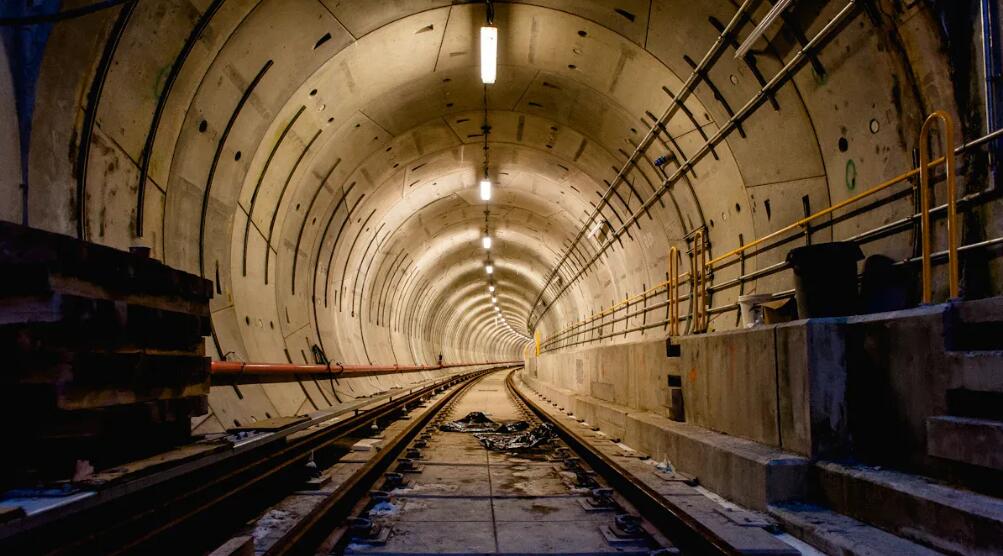
You may have trouble with ground instability, water getting in, and equipment wearing out when you use a Tunnel Boring Machine. You can fix these problems by using strong supports, moving water with pumps, and planning regular checks. NHI says you should look at cutters and bearings often so they do not break.
Tip: Acting fast and checking often helps your TBM work safely and well.
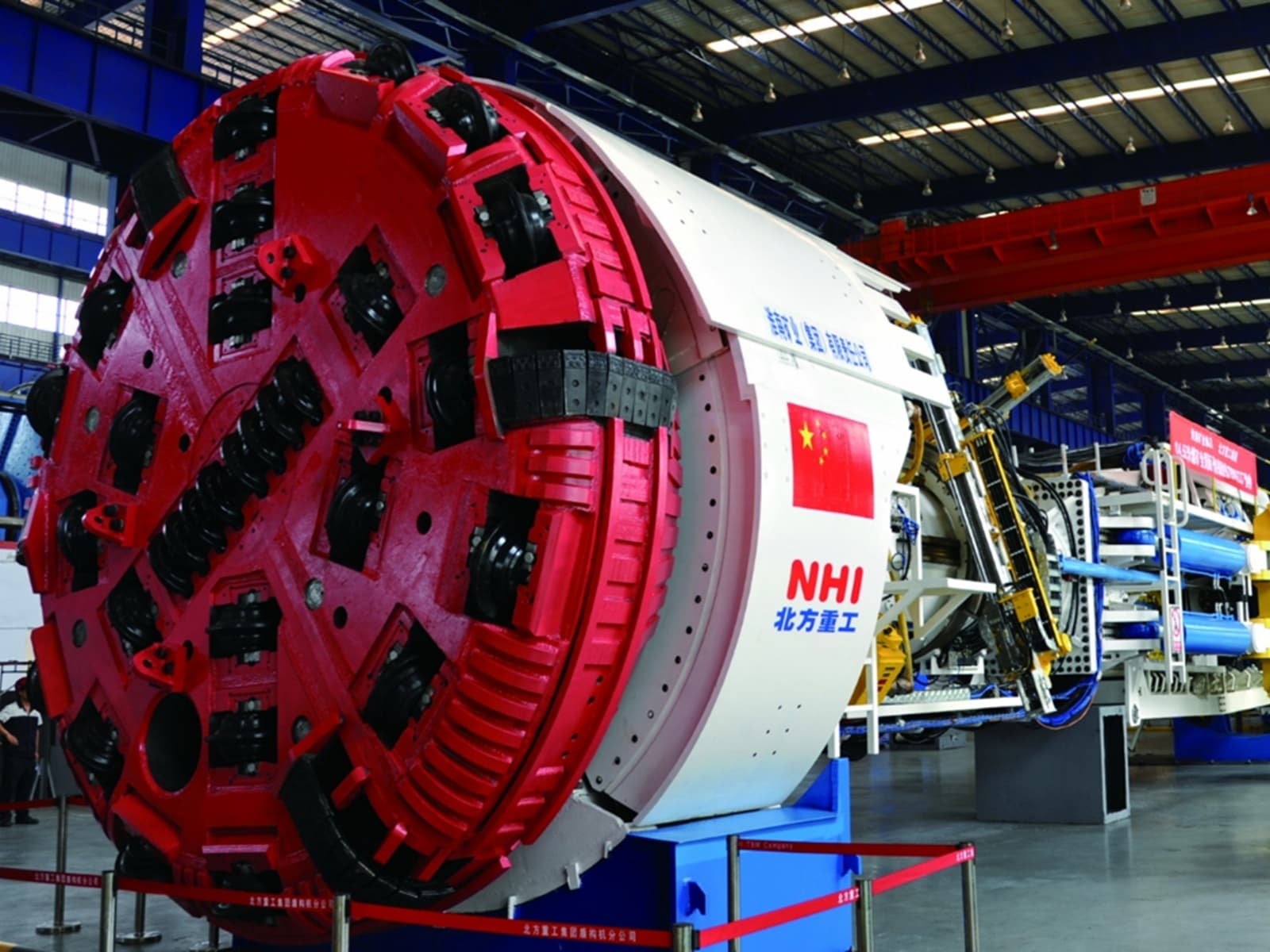
Ground Instability Challenges
Ground instability can slow down your Tunnel Boring Machine. It can also make your project unsafe. You should know what causes these problems. This helps keep your tunnel safe and your work on time. The table below lists common reasons for ground instability in tunnels:
| Cause of Instability | Description |
|---|---|
| Fault Zones | These are places where the ground is weak and can fall in. They can stop or trap the TBM. High-pressure water can also get in here. |
| Rock Bursting | This happens when rock breaks quickly because of stress. You need special supports to handle these strong forces. |
| High Water Inflows | Lots of water can rush in and fill the tunnel. This makes work harder for the machine and crew. |
| Very Hard or Abrasive Rock | Hard rock can wear out TBM parts fast. If you do not fix it, the cutterhead can break. |
| Squeezing Ground | The ground can press in and change shape. This makes tunneling harder. |
| Fractured Rock | Broken rock makes the ground less stable. It can cause problems you did not expect. |
| Mixed-Face Conditions | You might find different ground types in one tunnel. This makes digging more difficult. |
| High Water Pressure | Water can push into the tunnel and cause flooding. This makes the tunnel less stable. |
| Long Tunnels | Long tunnels often have tough ground. This wears out parts and makes work more complex. |
Soft Soil Instability
Soft soil problems happen in clay, sand, or glacial ground. These soils can move or fall in, making tunneling harder. You can use earth pressure balanced mode (EPBM) on your Tunnel Boring Machine. EPBM keeps the pressure steady at the tunnel face. You should also use foam and add things like polymer or bentonite. These help control soil movement and make cleanup easier. Using these methods together lowers the chance of collapse and keeps your tunnel safe.
Tip: Always check the soil and change your machine settings fast. This helps stop sudden ground movement.
Hard Rock Stress
Hard rock has its own problems. Cracks can form and get bigger as the machine moves. How brittle the rock is changes how cracks start and grow. If rock strength is less than 150 MPa, brittleness does not matter much. If it is more than 150 MPa, brittleness is a big problem. You should watch for sudden rock bursts and use strong supports. You can make things safer by checking rock often and using special supports in tough spots.
- Look for signs of rock bursting.
- Use extra supports in tough areas.
- Check rock strength before each new section.
Water Infiltration Issues
Water can enter your tunnel and cause big problems. You need to know how water moves underground. If you do not control water, your Tunnel Boring Machine may stop or get damaged. Water can also make the ground unstable and unsafe for your crew.
Groundwater Inflow Risks
You face many risks when groundwater flows into your tunnel. Water can flood the tunnel and slow down your work. It can wash away soil and make the tunnel walls weak. You must predict where water will enter and how much will come in. Experts use different risk assessment techniques to help you plan for these problems. The table below shows some methods used to predict groundwater inflow:
| Study | Technique Used | Description |
|---|---|---|
| Hong et al. (2009) | Event Tree Analysis | Analyzed the probability of risk in underwater TBM tunneling. |
| Hyun et al. (2015) | Fault Tree Analysis | Developed a risk matrix method with FTA and AHP. |
| Chung et al. (2019) | Bayesian Networks | Assessed risk of accidents based on geological sources. |
| Chung et al. (2021) | Causal Networks | Improved risk matrix method using causal networks. |
| Sharafat et al. (2021) | Bow-Tie Risk Analysis | Integrated FTA and ETA for risk management in tough ground. |
Note: You should use these techniques to check for water risks before you start tunneling.
Water Management Solutions
You can control water by using strong barriers and pumps. Grouting helps seal cracks and stops water from entering. You should install drainage pipes to move water away from the tunnel. Pumps remove water quickly if it gets inside. You need to check your equipment often and fix leaks right away. If you see water coming in, act fast to protect your Tunnel Boring Machine and your crew.
- Use grouting to seal gaps.
- Set up pumps for quick water removal.
- Install drainage pipes along the tunnel.
- Inspect seals and joints often.
Tip: Always train your team to spot water problems early. Quick action keeps your tunnel safe and your work on track.
Tunnel Boring Machine Wear and Tear
It is hard to keep your Tunnel Boring Machine working well. Parts can wear out and slow your work. This can also make your project cost more. You should look for problems with the cutterhead, disc cutters, bearings, and seals.
Cutterhead Wear
If the cutterhead wears out, your machine works less well. You might see the machine move slower or need more force. A broken cutterhead can stop your project. You should check the cutterhead often. Replace any parts that look worn. Here are some ways to help your cutterhead last longer:
- Use strong, bigger disc cutters. These can handle heavy work and last longer.
- Pick tough seal designs. Change wear bands to keep seals working.
- Put in dry sump lubrication systems. These keep the bearing area clean and help bearings last longer.
- Make sure muck buckets are big and have strong lips you can change. This helps muck move out easily.
- Use drives that change speed and power. This helps control wear.
Tip: Check your machine often and fix problems fast. This helps you avoid bigger issues and keeps your project moving.
Disc Cutter Durability
Disc cutters need to be strong. You can make them last longer by using special steel like H13 and W360. Heat treatments like electroslag remelting and extra tempering make cutters tougher. Coatings help stop wear. W360 cutter rings are almost 10% harder and over 54% tougher. These changes help disc cutters last longer and work better in hard ground.
Bearing and Seal Problems
Bearings and seals keep your Tunnel Boring Machine safe from damage. If they break, you can have long delays and spend more money. For example, the TBM ‘Bertha’ broke down from overheating. This caused a two-year delay and a big fine. You can stop these problems by using smart maintenance. Tools like IoT and machine learning help you watch bearings and seals all the time. You can find problems early and fix them before they get worse.
Note: Smart tools help you avoid big failures and keep your machine safe.
Geological Transitions and Unknowns
Sometimes, the ground changes in ways you do not expect. These changes can slow down your work or hurt your Tunnel Boring Machine. You should get ready for both normal and rare problems. The table below shows how often these delays happen and what they do to your project:
| Type of Delay | Frequency | Impact on Project |
|---|---|---|
| Minor Delay | Frequent | Minor disruptions, hours of delay |
| Exceptional Delay | Rare | Significant disruptions, major cost increases |
Terrain Change Adaptation
It is hard when the ground goes from soft soil to hard rock or mixed layers. You need to change your plan fast to keep things safe and on time. Today, you can use smart tools to help you react quickly:
- Machine learning algorithms look at lots of project data. These tools find patterns in the ground that show risk.
- The system checks how your TBM works with the ground. It gives ideas for the best ways to build, using what worked before.
- Real-time data and prediction models help you make good choices. You can stop risks before they turn into big trouble.
Tip: Use these smart systems to change your tunneling plan as soon as you see the ground is different. Quick action helps you avoid big delays.
Faults and Rock Bursting
Faults and sudden rock bursts can break your TBM and put workers in danger. You need strong monitoring systems to find these dangers early. Microseismic (MS) monitoring is good for finding rockburst events. This tool tracks tiny cracks and changes deep in the rock. Acoustic emission (AE) monitoring works in labs but not as well in big tunnels because signals fade fast. The BSN monitoring system uses both people and machines to check for problems. It has worked well for warning about rockbursts in tunnels.
- Use MS monitoring to watch for rockbursts.
- Pick BSN systems for both manual and automatic alerts.
Note: Finding problems early lets you fix them before they get worse. Always check your monitoring tools and teach your team to act fast.
Muck Management and Conveyor Downtime
Good muck management helps your Tunnel Boring Machine work well. If you do not manage muck, blockages can happen. This can stop the conveyor and slow your project. It can also make your project cost more. You need to know why these problems happen and how to fix them.
Blockages and Removal
Blockages form when muck piles up in the chamber or on the conveyor. This happens a lot with slurry muck, especially if you use bentonite-based lubricants. The wet waste is harder to move and get rid of. You must act fast to stop clogs.
- Watch muck flow with real-time monitoring. This helps you change settings quickly if you see trouble.
- Automation can help you find and stop blockages. AI systems can warn you before the machine stops.
- The cutterhead spins and pushes on the tunnel face. It breaks up the ground, and muck is taken out right away to stop buildup.
- Buckets or slurry systems carry muck out for disposal. This keeps the tunnel face safe and stops delays.
Tip: Always work together with your team above ground. Good teamwork keeps muck moving and stops blockages.
Conveyor Reliability
Conveyors are important for moving muck out of the tunnel. You need strong equipment to keep your project on time. Most TBM jobs use belt conveyors because they move lots of muck. Continuous conveyors are best because they do not stop often.
- Reliable equipment is important. If a conveyor breaks, you lose time and money.
- Small bits of muck, called fines, can cause trouble. You may need extra cleaning tools to keep the conveyor clear.
- Planning crews and supplies helps, especially in long tunnels. Good planning keeps everything moving.
- Conveyor systems usually work over 90% of the time. Still, you need to check for problems and fix them fast.
| Conveyor Challenge | Solution |
|---|---|
| Blockages | Real-time monitoring, automation |
| Handling fines | Extra cleaning apparatus |
| Downtime | Continuous conveyors, quick repairs |
Note: Check your conveyor system often and fix problems fast. Always look for ways to make it work better.
Lubrication and Drive System Efficiency
Lubrication Problems
Lubrication helps your Tunnel Boring Machine run well. If you do not use enough lubricant, parts can get damaged. Bearings, seals, and moving parts need good lubrication. You might hear grinding sounds or see the machine get too hot. Sometimes, the machine can stop working all of a sudden. These problems can slow your work and cost more money.
Check the lubricant every day. Always use the right kind for your machine. Some machines need dry sump lubrication systems. These systems keep bearings clean and help them last longer. If you see leaks or dirty lubricant, fix it right away. Clean the system often. Change filters and seals when needed.
| Lubrication Issue | What You Should Do |
|---|---|
| Low lubricant level | Add lubricant immediately |
| Dirty lubricant | Change lubricant and filter |
| Leaks | Inspect and repair seals |
| Overheating | Check for blockages and clean |
Tip: Good lubrication helps your TBM last longer and stay safe. Teach your team to find problems early.
Drive System Solutions
The drive system makes the cutterhead turn and moves the machine. If the drive system breaks, your project will stop. New technology can help your drive system work better.
Modern TBMs use robots and automation to move materials and do repairs. These systems make work safer and faster. You can add sensors like load cells and torque transducers. These sensors give you real-time data about how the machine is working. If something changes, you can fix it right away.
- Automated systems mean less manual work. You get better and more steady results.
- Real-time monitoring gives you quick feedback. You can see if the ground or machine changes.
- Sensor data helps you find ways to make things better. You can stop breakdowns and improve performance.
New technology helps you work faster and protect the environment. Always look for new ideas that fit your project.
Note: Smart drive systems and good lubrication keep your TBM working well. Regular checks and updates help you avoid big delays.
Maintenance and Inspection Best Practices
Scheduled Maintenance
You should plan regular maintenance for your Tunnel Boring Machine. This helps your machine work well and last longer. If you skip checks, your TBM can break down more. You may have delays and spend more money. Following a maintenance plan keeps your project on track.
- Regular maintenance makes your TBM more reliable.
- After 1.5 hours of nonstop work, reliability drops by 40%.
- Preventive maintenance can raise Earth Pressure Balance TBM availability from 61% to 70%.
- Your TBM works better when it is reliable and easy to fix. These things help you finish your project on time.
Make a checklist for daily, weekly, and monthly jobs. Look at the cutterhead, disc cutters, bearings, and seals. Change worn parts before they break. Clean and oil moving parts. Write down all maintenance work. This helps you see patterns and stop future problems.
Tip: Good maintenance keeps your TBM working well and helps you avoid big surprises.
Real-Time Monitoring
You can use real-time monitoring to find problems early. Sensors watch sound and vibration from your TBM. These sensors show when disc cutters start to wear out. If you know about wear early, you can change parts before they break. This saves money and keeps your project moving.
Machine learning uses sensor data to guess wear levels. These models give you good updates on your TBM’s condition. You can act fast when you see changes. Real-time monitoring helps you stop sudden breakdowns and long delays.
Set up alerts for your team. When sensors find a problem, you get a warning right away. You can fix issues before they get worse. This keeps your tunnel safe and your work on schedule.
Note: Real-time monitoring and smart sensors help you make better choices and protect your TBM from sudden failures.
Tailored Tunnel Boring Machine Design
Project-Specific Adaptations
You need to pick a Tunnel Boring Machine that fits your project. Each tunnel has its own problems. The right design makes work easier and safer. Some machines let you change torque and speed. This helps stop damage and keeps parts working longer. If you spread weight evenly, you stop stress from building up. Smooth muck flow helps your machine work faster and last longer.
| Design Feature | Benefit |
|---|---|
| Optimized drive systems | You can change torque and speed. This stops damage and wear. |
| Uniform load path | Even weight keeps stress low. This helps prevent failures. |
| Smooth muck flow | Muck moves better. The cutterhead does not wear out as fast. |
Tip: Always check the ground before you pick your machine. Good choices help you finish on time and save money.
Operational Flexibility
You need to be ready for changes underground. Flexible Tunnel Boring Machines can adjust fast when the ground shifts. In places like the Himalayas or Andes, you need machines that handle surprises. Probe drilling during checks helps you find problems early. If you change your plan quickly, you avoid delays and keep your tunnel safe.
- You can change your machine to fit new ground.
- Flexible machines help stop tunnel problems.
- Probe drilling finds hidden trouble before it gets worse.
- Changing how you work lowers cutter wear and helps you steer.
Note: Flexible designs give you more control. They help you fix problems before they get big. Teach your team to use these features well.
You can solve most TBM problems by choosing the right machine, planning regular checks, and acting fast when issues appear. The 'Bertha' project in Seattle showed how smart repairs and strong support systems keep work moving. New TBM designs with better transmission help you dig faster and safer. Use real-time monitoring and machine learning to spot risks early. Always update your safety plans and adjust your methods for each site.
- Check your TBM often.
- Use smart tools for safety.
- Adapt your plan as ground changes.
Keep learning and improving to make your tunnel projects safer and more efficient.



 IPv6 network supported