

 Company Profile
 Social Responsibility
 Get A Quote
When you need to choose the right stacker reclaimer for your yard, you have many options to consider. It's essential to match your equipment to the specific needs of your yard. Think about how your system integrates with conveyors and other machinery. Additionally, assess how materials move within your operation and what your work goals are. Common challenges include choosing the right stacker reclaimer, managing the materials you handle, determining system size, considering costs, accounting for weather conditions, and optimizing yard space.
|
Operational Goals |
Description |
|---|---|
|
Storage |
Storing bulk materials effectively enhances your logistics. |
|
Homogenization |
Mixing materials ensures consistent quality. |
|
Dynamic Handling |
Advanced technology is necessary for efficient bulk management. |
|
Stacking and Reclaiming |
Achieve both tasks seamlessly with the right stacker reclaimer. |
|
Equipment Integration |
Connecting conveyors and systems promotes smooth operations. |
|
Layered Stockpiling |
Stacking materials in layers facilitates easier access later. |
|
Blending Effect |
Utilizing technology allows for effective mixing and reclaiming of materials. |
To successfully choose the right stacker reclaimer, it's important to educate yourself about your options and identify what factors are most critical. Simple guidance and clear steps will help you in selecting the right stacker reclaimer. By making the right choice, your yard will operate more efficiently, allowing you to enhance productivity and achieve your operational goals when you choose the right stacker reclaimer.
Key Takeaways
-
Know what kind of material you have and how it moves. Pick a stacker reclaimer that works well with your materials. This helps you handle them better and keeps the quality good.
-
Think about how big your stockpile is and its shape. Choose equipment that fits your storage space. This helps you use your area in the best way.
-
Make sure it works with your other machines. Your stacker reclaimer should connect well with conveyors and other tools. This stops slowdowns and helps you get more work done.
-
Look at your budget and ways to change the equipment. Try to spend the right amount for good quality and performance.
-
Focus on taking care of your machine and learning how to use it. Doing regular checks and getting good training makes your stacker reclaimer last longer and work better.
Types of Stacker and Reclaimer Equipment
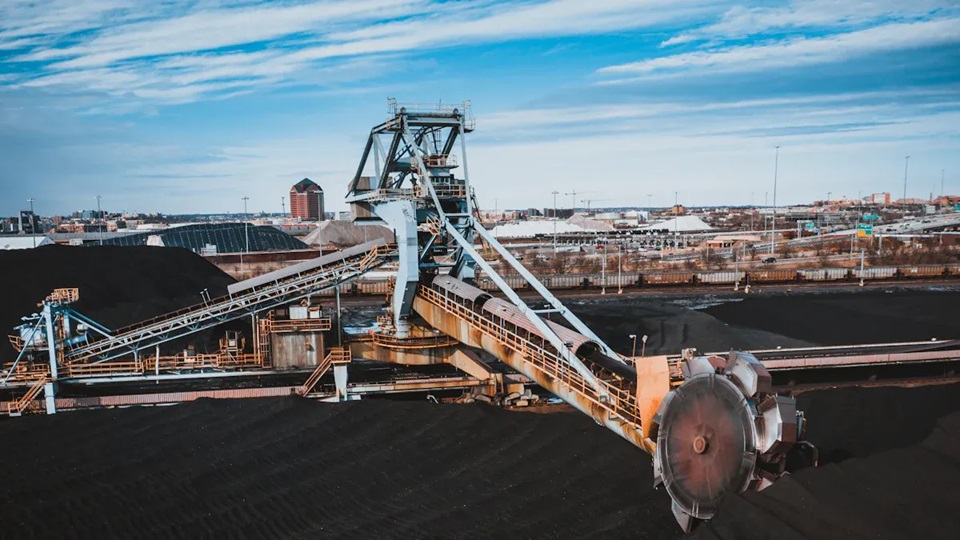
To pick the right stacker and reclaimer, you need to know the main types. Each type fits certain yard shapes and material movement. The types have different features and benefits.
Bucket Wheel Stacker Reclaimer
A bucket wheel stacker and reclaimer does two jobs in one machine. It moves lots of bulk material fast. The bucket wheel scoops up material and puts it on piles or takes it for use. This equipment is good for big yards with lots of material. It works with materials that are heavy or light. You should think about your pile shape, how much mixing you want, and how reliable the machine needs to be.
Tip: Bucket wheel stackers and reclaimers move lots of material quickly. They are great when you need fast work and mixing.
|
Type of Reclaimer |
Capacity (Tons/Hour) |
Characteristics |
|---|---|---|
|
Boom Type Bucket Wheel Stacker |
High (varies) |
Moves lots of material fast, good for bulk jobs |
|
Bridge Type Scraper Reclaimer |
40 - 2000 |
Steady work, better for mixing, keeps flow even |
Boom Type Stacker
Boom type stackers use a long arm to make piles in different ways. You can pick luffing stackers for chevron or cone piles. Luffing and slewing stackers make windrow or strata piles. Twin boom stackers let you pile on both sides without moving the base. These machines help you save space and make layered piles for easy use.
Mobile Stacker Reclaimer
Mobile stacker and reclaimer equipment lets you move machines where you need them. You can change their spot in the yard. Mobile stackers and reclaimers help with different pile shapes and yard plans. They can handle lots of material but may need more care and power. You should think about if you want more flexibility or more steady work.
|
Type of Stacker Reclaimer |
Advantages |
Disadvantages |
|---|---|---|
|
Bucket Wheel |
Handles lots, works with many pile shapes |
Hard to fix, costs more, uses lots of power, wears out fast |
|
Bridge-Type |
Covers big areas, handles lots, works well |
Not as flexible, needs more rails, hard to move |
|
Portal-Type |
Piles and takes from both sides, handles lots |
Hard to fix, uses lots of power, wears out fast |
|
Semi-Portal-Type |
Saves space, handles lots |
Not as steady, uses lots of power, wears out fast |
Overhead and Side Reclaimer
Overhead and side reclaimers are good for small yards or special shapes. Overhead reclaimers move above the piles. Side reclaimers work along the side. These machines use scraper blades or buckets to move material. You can use them for steady and even mixing. Rail-mounted stackers and reclaimers are also in this group. How well they work depends on cost and what you need for your yard.
Note: When you pick stacker and reclaimer equipment, match the type to your yard’s material flow, pile size, and mixing needs.
Factors to Consider When You Choose the Right Stacker Reclaimer
When you pick a stacker reclaimer, you need to think about many things. These things help you find the best equipment for your yard. They also make your bulk material handling better. Use this guide to help you choose wisely.
Material Type and Flow
You should know what materials you use in your yard. Some common materials are coal, iron ore, and fertilizer. Each material is different. Some are heavy, some are light, and some are sticky. The kind of material changes how you stack and reclaim. If your materials have big and small pieces, you might have problems. For example, if the biggest pieces are much larger than the smallest, the flow can be uneven. Pick a reclaimer that works well with your material’s flow and keeps quality high.
|
Material Type |
|---|
|
Coal |
|
Iron Ore |
|
Fertilizer |
-
Think about how your material moves in the yard.
-
The right stacker reclaimer helps material flow better and keeps quality good.
-
Drum reclaimers are good for mixing because they take the whole pile at once.
Stockpile Size and Layout
The size and shape of your stockpile matter a lot. You need to match your equipment to your storage and yard shape. Some machines work best in open spaces. Others fit better in closed areas. The table below shows which equipment fits each storage type:
|
Equipment Type |
Storage Type |
Notes |
|---|---|---|
|
Boom type bucket-wheel reclaimers |
Open storage |
Only for open storage. |
|
Screw stacker-reclaimers |
Enclosed storage |
Made for enclosed storage. |
|
Slewing luffing stackers |
Both |
Good for open and closed storage. |
|
Drum-type reclaimers |
Both |
Works well in both types. |
|
Circular portal stacker-reclaimers |
Both |
Can be used in many storage setups. |
A long stockpile with a rail-mounted bucket-wheel machine lets you stack and reclaim coal fast. You can also keep different grades in separate places. The way your yard is set up affects which stacker reclaimer you should get.
-
Think about how you stack your materials. Random stacking can save space and lower equipment use.
-
If you want more options, choose equipment that works in both open and closed storage.
Integration with Material Handling Systems
Your stacker reclaimer should work well with your yard’s conveyors and other machines. Sometimes it is hard to connect new equipment to old systems. For example, stacking and reclaiming times may not match ship or train schedules. You might need to change your plans to keep things running smoothly. The shape of your stockpile and how busy your yard is can also make integration harder.
-
Check if your new reclaimer fits with your current conveyors and loaders.
-
Good integration helps you reach your goals for capacity and throughput.
-
Plan for changes in schedules or yard layout to stop delays.
Budget and Customization
You need to look at your budget before you buy a stacker reclaimer. Prices go from $500,000 to over $5 million. The cost depends on many things:
-
Bigger machines cost more.
-
Equipment for tough materials costs extra.
-
More technology like automation or remote control raises the price.
-
Special designs for your site cost more.
If you want more choices, you may need to spend more. Balance your budget with your need for good quality and performance.
Tip: Write down the features you need and check them against your budget. This helps you get the best value for your yard.
When you think about these things, you can pick a stacker reclaimer that fits your yard, makes quality better, and helps you reach your goals. Focus on what matters most for your material, yard shape, and system setup. This way, you get the best results for stacking and reclaiming.
Stacker Reclaimer Maintenance
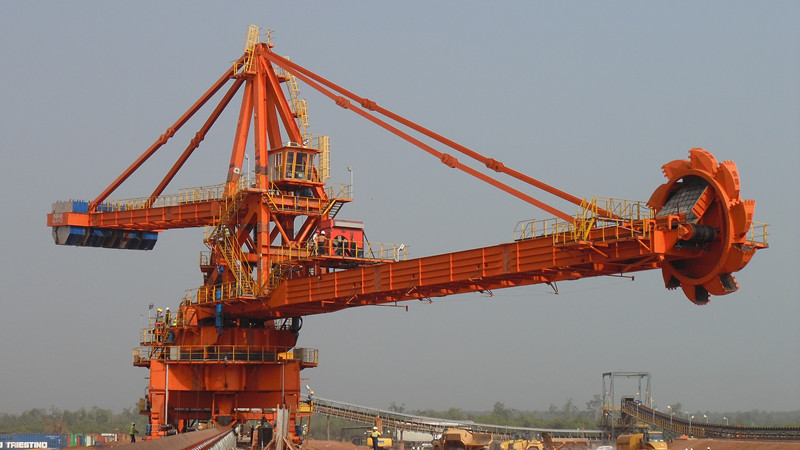
Routine Maintenance
You must keep your stacker and reclaimer working well. Regular checks help you find problems early. Cleaning removes dust and spilled material. Dust and spillage can hurt your reclaimer. In marine yards, clean your stacker every year. In other places, clean it deeply every five years. Check the lubrication system every month. Watch oil levels and grease quality. Change grease flow so you do not use too much. Always check the chain tension. Make sure the low-tension sensor works. If wheels wear unevenly, check the rails and anti-skewing right away.
|
Maintenance Task |
Description |
|---|---|
|
Remove product spillage |
Clean often to stop rust and damage from dust and spills. |
|
Monitor lubrication |
Check oil and grease each month. Change as needed to protect your reclaimer. |
|
Check mechanical parts |
Look at chain tension and sensors to help your reclaimer last longer. |
|
Inspect wheels |
Watch for uneven wear. Fix rail or anti-skewing problems fast. |
Tip: A strong maintenance plan helps your stacker and reclaimer last longer and stay safe.
Spare Parts and Support
You need spare parts and help to keep your reclaimer working. Getting parts fast means less waiting. Using good, original parts makes your stacker and reclaimer work better. You get fewer breakdowns and easier use. Upgraded parts, like new PLCs and HMIs, help your reclaimer run with less trouble. Good support teams help you fix problems quickly. They check parts before sending and deliver them on time.
|
Benefit |
Description |
|---|---|
|
Extended Life Cycle |
The right spare parts help your reclaimer last longer. |
|
Increased Availability |
You get fewer stops and can find parts more easily. |
|
Improved Reliability |
OEM parts make your reclaimer work better. |
|
Reduced Issues |
Upgrades mean fewer problems with maintenance. |
|
Easier Operation |
New controls make your stacker and reclaimer simpler. |
-
Ongoing help keeps your reclaimer working well.
-
Checking parts protects your stacker from breaking early.
-
Fast delivery of spares means less waiting for repairs.
Training and Reliability
You need good training to use your stacker and reclaimer safely. Training helps you find problems and fix them early. New technology makes your reclaimer smarter and easier to use. Many yards use sensors and digital tools now. These tools help you know when your reclaimer needs service. Remote diagnostics let you check your stacker and reclaimer from far away. This means you can fix problems before they stop your work. When your team trains well, your reclaimer works better and lasts longer.
Note: Training and new technology help your stacker and reclaimer stay safe, work better, and be easier to use.
Operational Benefits of the Right Stacker and Reclaimer
Efficiency and Productivity
When you pick the right stacker and reclaimer, your yard works better. The right equipment helps you finish jobs faster. New systems have upgrades like slew dynamic-braking. These upgrades make your work safer and help your machine last longer. Your reclaimer will not break down as much. You will spend less time and money fixing it.
Your yard will be more efficient and productive. The reclaimer stops where you want, even when it is windy. You can set up piles in zones. This makes it easier and quicker to reclaim materials. There will be less dust in the air. This keeps your yard cleaner and helps the environment.
-
Dynamic-braking upgrades make work safer and better.
-
Less wear means you do not fix parts as often.
-
The reclaimer stops right and works well in bad weather.
-
Zoned piles help you reclaim materials quickly.
-
Less dust means a cleaner yard and less harm to nature.
Safety and Cost Savings
Stackers and reclaimers help keep your team safe and save money. The right reclaimer has safety features to protect workers. Dust suppression systems keep the air clean. Your reclaimer does many jobs by itself. You do not need as many people for risky work.
|
Benefit |
Description |
|---|---|
|
Improved Efficiency |
Makes moving materials faster and cuts down waiting. |
|
Reduced Labor Costs |
Machines do more work, so you need fewer people. |
|
Enhanced Safety Features |
Uses new safety tech and dust control to protect everyone. |
-
Safety features help stop accidents from happening.
-
Dust control makes the air better and safer for all.
Stackers and reclaimers help you work faster and safer. They also help you spend less money. You can count on your reclaimer to work well for a long time.
Integration and Best Practices
Coordinating with Yard Equipment
Your reclaimer must work well with other yard machines. When you plan your yard, think about how it moves with loaders and trucks. Good planning helps you avoid delays and keeps things moving. Put your reclaimer where it can reach all piles. Make clear paths for machines to travel safely. You can use signals or alarms to warn workers when the reclaimer moves. This helps keep everyone safe and stops accidents.
-
Check if your reclaimer fits with your conveyor system.
-
Make sure it can handle your stockpiles’ size and type.
-
Put up safety barriers and warning signs near the reclaimer.
Tip: Meet with your team often to find problems early and keep your reclaimer working well.
Optimizing Stockpile Management
You can use your reclaimer to make stockpile management easier. Automated systems save time and money. They also help keep your material quality high. The right reclaimer design lets you blend materials and control inventory. This cuts down on waste and keeps piles even.
|
Evidence Description |
Key Benefits |
|---|---|
|
Automated stacker reclaimers minimize personnel-hours required for operations |
Significant cost savings |
|
Unique design improves inventory control and maintains consistent quality |
Reduced material degradation |
|
Ability to blend materials effectively |
Reduces fiber losses from microbial action and heat build-up |
|
Automated storage and reclaiming smooths variability in materials |
Homogenization of materials |
You can blend materials and keep piles fresh with a reclaimer. This stops heat build-up and keeps your product safe. Automated reclaimers help you track inventory and lower losses.
Planning for Expansion
When you plan for the future, think about how your reclaimer will fit in a bigger yard. Look at how much material you want to store. The size and shape of your yard matter when you pick a reclaimer. You also need to think about the ground and soil. Strong soil lets you use heavier reclaimers and store more material.
|
Consideration Type |
Description |
|---|---|
|
Capacity and Equipment |
The logistical performance is influenced by the types and numbers of handling equipment, as well as the capacity limitations of storage. |
|
Storage Dimensions |
Equipment width and height differ between open and enclosed storage, affecting stockpile dimensions. |
|
Land Availability |
Ground conditions and equipment dimensions affect the required land size for storage, impacting costs and development options. |
|
Soil Conditions |
Soil strength and characteristics influence storage density and area utilization. |
|
Financial Factors |
Balancing CAPEX and OPEX is crucial for achieving a better ROI and faster payback period. |
|
Social Factors |
Environmental impacts, such as noise and dust, must be considered due to regulations and community concerns. |
|
Technological Factors |
Software tools can enhance stockyard utilization and planning efficiency. |
Think about costs and how to get the best value for your money. New software tools help you plan your yard and use your reclaimer better. Always follow rules about noise and dust. When you plan ahead, your reclaimer will help your yard grow and stay productive.
You can pick the right stacker reclaimer by following these steps: First, learn about your material. Check how dense it is and how it moves. Next, look at the shape and layout of your stockpile. Think about how much material you need to move and how fast. Decide if you need to mix or blend your materials. Also, look at the weather and how your yard works.
When you look at different reclaimer equipment, your yard gets safer and works better. You should talk to experts for advice. They know about new technology, rules, and what is popular. Experts help you choose the best reclaimer and plan for upgrades.
You get more benefits when you use stacker and reclaimer equipment together. The table below shows how this helps your yard:
|
Benefit |
Description |
|---|---|
|
Increase efficiency in your stockyard |
Enhances overall productivity in material handling |
|
Significantly Lower Capex investment |
Reduces initial capital expenditure for equipment |
|
Lower operational costs |
Decreases ongoing costs associated with operations |
|
Reduced maintenance and downtime |
Minimizes the need for repairs and operational halts |
|
Improved flexibility in operations |
Allows for adaptable use of equipment across different tasks |
You can make your yard work better with smart automation and digital tools. These tools help you fix problems before they stop your work. They also make your yard safer. Plan for your yard to grow and keep your reclaimer up to date. If you do these things, your reclaimer will help your yard for a long time.



 IPv6 network supported