

 Company Profile
 Social Responsibility
 Get A Quote
Tunneling Methods Overview
Tunnel Boring Machine Basics
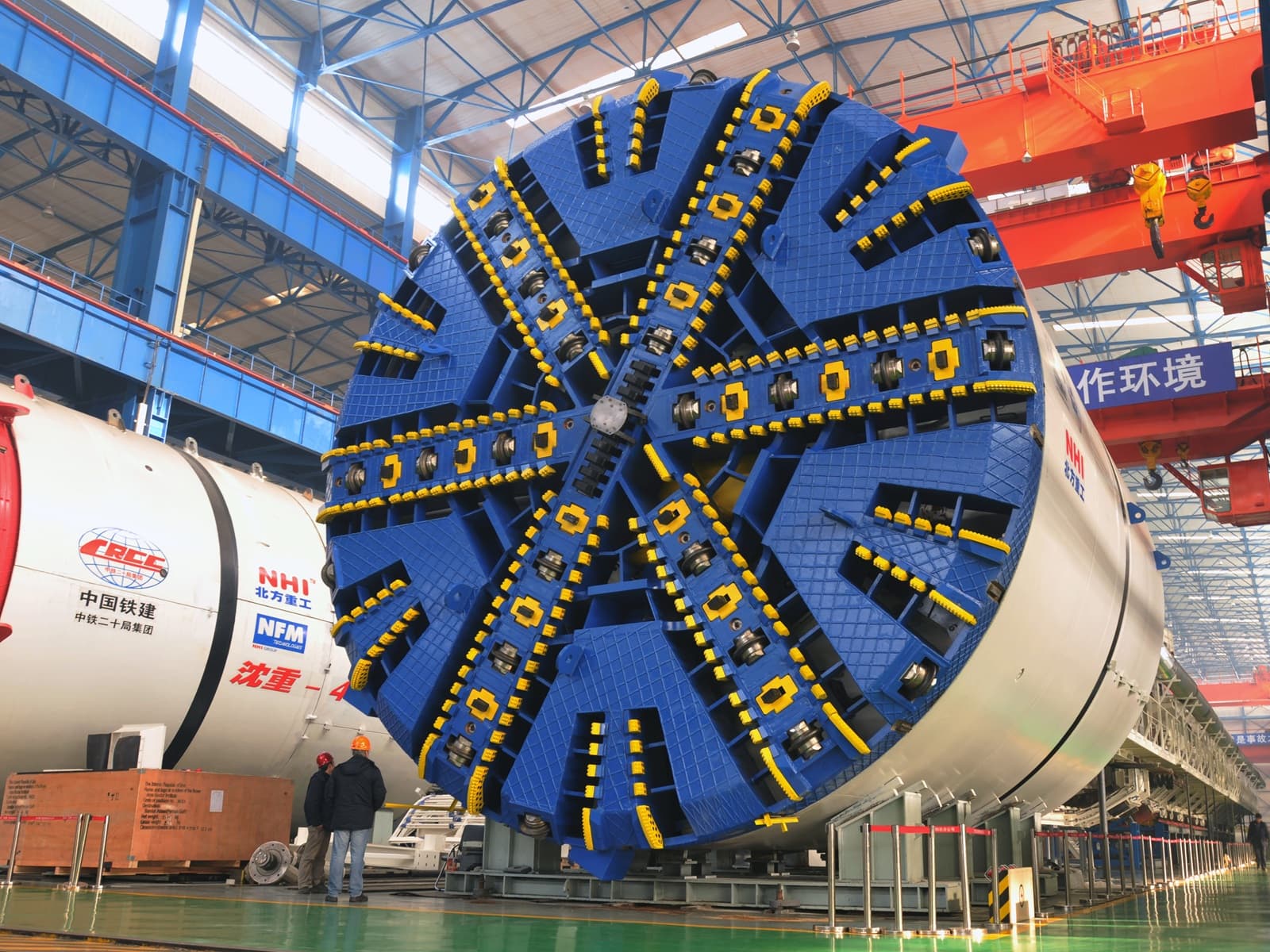
Tunnel boring machines have changed how tunnels are built. These machines use a spinning cutter head to dig through rock or soil. The tunnel boring machine is a huge mechanical device. It has a cutter head in front. It also has a system that lines the tunnel as it moves. Workers stay inside the machine, so they are safer. There is less noise and shaking at the surface. This helps when building in busy cities.
NHI is a top company that makes tunnel boring machines. The company builds advanced TBMs for many ground types. Engineers pick NHI machines because they work well and are fast. You can finish long tunnels faster with a tunnel boring machine. The starting cost is higher. Over time, TBMs are smart for big projects because they are safe and work well.
Drill and Blast Basics
The drill and blast method has been used for a long time. People started using it in the 1850s. You drill holes in the rock. Then you put explosives in the holes and blast the rock apart. Workers take away the broken rock and do it again. This method uses simple tools and costs less at first. Drill and blast is good for short tunnels or when the ground changes a lot.
Many projects still use drill and blast because it works in many rocks. But this method makes more noise and shaking. It is also more risky for workers because of the explosives.
Comparison Table:
Here is a quick look at the main differences between the two methods:
| Feature | Tunnel Boring Machines (TBMs) | Drill and Blast Method |
|---|---|---|
| Operational Principle | Uses a rotating cutter head to bore through rock | Involves drilling holes and blasting rock |
| Components | Mechanical device with a cutter head and lining system | Drilling equipment and explosives |
| Speed and Efficiency | High-speed excavation, reducing project time | Slower due to cyclic drilling and blasting |
| Safety | Safer environment for workers inside the TBM | Higher risk due to blasting and rock fragmentation |
| Surface Disruption | Minimal disruption, suitable for urban areas | More surface disruption due to blasting |
| Cost-Effectiveness | Higher initial investment, but efficient for long tunnels | Lower initial investment, more cost-effective for short tunnels |
Tunnel boring machines have many good points, especially for long tunnels and city projects. Drill and blast is still useful for short tunnels and changing ground.
Speed and Efficiency
Tunnel Boring Machine Advance Rates
When you look at tunnel construction, speed matters. A tunnel boring machine can move quickly through rock or soil. This machine uses a rotating cutter head to dig forward. You often see faster progress with this method, especially in long tunnels. Many projects show that TBMs can advance two to five times faster than drill and blast methods when ground conditions are good. In some cases, even if the conditions are not perfect, TBMs still move one to two times faster.
Several things affect how fast a tunnel boring machine works. The type of rock, the strength of the ground, and the size of the tunnel all play a part. For example, hard rock can slow down the machine, but modern TBMs use advanced technology to handle tough conditions. Engineers also look at the unconfined compressive strength (UCS) of the rock and the tunnel diameter to plan the work. Good planning helps you get the most out of the machine.
Note: Accurate estimates of advance rates help you plan your project and choose the right equipment. TBMs work best in uniform ground, but new designs make them more flexible than ever before.
You also need skilled workers and good project management. These factors keep the machine running smoothly and help you avoid delays.
| Factor | Description |
|---|---|
| Ground Conditions | The type and quality of rock or soil can speed up or slow down progress. |
| Technology and Equipment | New TBMs and better tools can make tunneling much faster. |
| Workforce Efficiency | Skilled teams and good planning keep the project on track. |
Drill and Blast Progress
Drill and blast is a slower process. You drill holes, load them with explosives, and then blast the rock. After each blast, you must clear the broken rock before you can drill again. This cycle takes time and often leads to slower progress compared to TBMs.
You may find drill and blast useful for short tunnels or when the ground changes a lot. However, the speed depends on many things. The quality of the rock, the skill of the workers, and the size of the tunnel all matter. In most cases, TBMs finish the job faster, especially in long, straight tunnels with steady ground.
- TBMs can be two to five times faster than drill and blast in the best conditions.
- Even in less ideal situations, TBMs often move one to two times faster.
- Drill and blast works better in short tunnels or where the ground is not uniform.
If you want to finish a long tunnel quickly, a tunnel boring machine gives you a big advantage. For shorter or more complex tunnels, drill and blast may still be the right choice.
Cost Factors
Equipment and Setup Costs
When you start a tunneling project, you need to think about the cost of equipment and setup. Tunnel boring machines (TBMs) require a large investment at the beginning. You must buy or rent the machine, prepare the launch site, and train your team. These machines are big and complex. The setup takes time and money. If your tunnel is longer than 1 kilometer, TBMs become more cost-effective. The high upfront cost spreads out over the length of the tunnel.
Drill and blast uses simpler tools. You need drilling rigs, explosives, and safety gear. The setup costs less at first. This method works well for short tunnels or projects with changing ground. You can start quickly and adjust your plan as you go. The cost-effectiveness depends on how you design the blasting process and follow safety rules.
Tip: If you plan a long tunnel, TBMs save money in the long run. For short tunnels, drill and blast may fit your budget better.
| Method | Equipment Cost | Setup Time | Best For |
|---|---|---|---|
| TBM | High | Long | Long, straight tunnels |
| Drill and Blast | Low | Short | Short or complex tunnels |
Operational Expenses
After setup, you must manage daily expenses. TBMs use electricity, spare parts, and skilled workers. The machine works fast and keeps the tunnel safe. You spend less on repairs and safety problems. TBMs also reduce delays because they work in many ground types.
Drill and blast needs explosives, drilling bits, and extra safety checks. You pay for each blast and must clear debris often. The process can slow down if the ground changes or if you face strict regulations. You may spend more on safety and environmental controls.
Here are some common cost-saving strategies for both methods:
- Plan your tunnel length and choose the right method for your project.
- Use reliable equipment to avoid breakdowns.
- Train your team to work safely and efficiently.
- Follow local rules to prevent fines and delays.
You can save money by matching your method to your tunnel’s needs. TBMs offer better performance and reliability for long tunnels. Drill and blast gives you flexibility for short or tricky projects.
Safety Comparison
TBM Safety Features
When you use a tunnel boring machine, you give your workers a safer place to work. The machine creates a controlled environment inside the tunnel. This means you can protect your team from falling rocks and dust. Workers stay inside the shielded area, away from the cutting face. You do not need to handle explosives, which removes a big risk from the job. The tunnel boring machine also lines the tunnel as it moves forward. This keeps the tunnel stable and reduces the chance of collapse.
Here is a table that shows how safety features compare between the two methods:
| Feature | Tunnel Boring Machines (TBM) | Drill and Blast Method |
|---|---|---|
| Controlled Environment | Yes | No |
| Handling of Explosives | No | Yes |
| Worker Safety | Enhanced | Dependent on protocols |
You can see that TBMs offer a safer and more controlled workspace. You do not need to worry about explosive materials or sudden blasts. This makes TBMs a better choice for projects where safety is the top concern.
Tip: If you want to lower risks for your team, choose a method that keeps workers away from danger. TBMs help you do this.
Drill and Blast Risks
Drill and blast methods bring more risks to your project. You must handle explosives every day. This can lead to accidents if you do not follow strict safety rules. Workers face dangers from flying rocks, dust, and loud blasts. The tunnel can become unstable after each explosion. You need to check the tunnel walls often to make sure they do not collapse.
You also have to worry about air quality. Blasting creates dust and fumes that can harm your team. If you work in a city or near homes, the noise and shaking can cause problems for people nearby.
If you choose drill and blast, you must train your workers well and follow all safety steps. Even then, the risks stay higher than with a tunnel boring machine.
Environmental Impact
Noise and Vibration
It is important to think about noise and shaking when picking a tunneling method. Tunnel boring machines usually make less noise and shaking than drill and blast. This makes them better for tunnels in cities or near houses. TBMs work deep underground and cut the ground slowly. This means fewer people complain and buildings are safer.
Building tunnels under cities can cause a lot of shaking. This can hurt buildings and bother people living nearby. If a tunnel boring machine works close to the surface, it can still cause problems.
Drill and blast uses explosives. This makes loud sounds and strong shaking. People living close by can get upset, and buildings might get damaged. Sometimes TBMs can make too much shaking, especially at night. But drill and blast almost always causes more trouble.
When building subway tunnels with double-shield TBMs, the shaking can be a big problem. People living nearby may complain a lot. TBM shaking can be too high at night and bother homes close to the tunnel.
Spoil and Site Disturbance
You also have to deal with spoil, which is the dirt and rocks taken out of the tunnel. TBMs move spoil out with conveyor belts. This keeps the work area clean and safe. There are fewer trucks and less mess on the surface.
- TBMs work well and do not disturb the ground much.
- Drill and blast can be used in many ground types but can make a big mess and cause shaking.
- Drill and blast makes strong shaking; TBMs make less shaking.
- Drill and blast is used where few people live, but TBMs can be used almost anywhere.
Drill and blast makes more spoil and dust. You must clean up after every blast. This can mess up the ground above and around the tunnel. Drill and blast is better for places without many homes or businesses.
You can help the environment by using TBMs again and building tunnels in smart ways. This saves energy and cuts down on pollution.
"Using a fixed-up TBM can save a lot of carbon on a tunnel job. Many world records have been set with used TBMs, showing they work well and are reliable."
TBMs give you a cleaner, quieter, and safer place to work. Drill and blast is flexible but makes more noise, shaking, and mess.
Adaptability and Flexibility
Tunnel Boring Machine in Stable Rock
Tunnel boring machines work best in strong, stable rock. The machine moves forward without many stops. It uses its cutter head at full power. This makes digging fast and safe. The tunnel lining system gives strong support as you dig. There are fewer delays and less chance of collapse.
Today’s tunnel boring machines can handle more than just stable rock. New technology helps them work in tough ground. Artificial intelligence helps guide the machine through hard paths. Robots help put in tunnel lining pieces faster. Some TBMs can switch digging styles. This means you do not have to stop if the ground changes.
Here is a table with new TBM features:
| Innovation Type | Description |
|---|---|
| Artificial Intelligence-driven navigation | Helps the machine move better in tricky ground. |
| Automated segment installation robots | Makes lining the tunnel faster and easier. |
| Hybrid TBMs | Can change how they dig for different ground. |
| Multi-mode TBMs | Switch digging styles without big changes. |
TBMs now give strong support and dig in many ground types. You can use them in more places than before.
These new features help you dig faster and safer. You get fewer surprises while working. The tunneling industry keeps finding better ways to solve problems. Science and new tools help finish hard projects.
Drill and Blast in Variable Geology
Drill and blast is good when the ground changes a lot. You can change how you drill and how much explosive you use. This helps with soft dirt, hard rock, or mixed layers. You do not need to stop and get new machines if the ground changes.
Drill and blast works well in wet or loose ground. TBMs can slow down or need extra work to keep water out. Drill and blast keeps moving even if the ground is tricky. Sometimes, it is faster than a tunnel boring machine.
Here are reasons drill and blast is good for changing ground:
- You can change your plan if you find new ground.
- You do not need special tools for each rock type.
- You keep a steady speed in different ground.
- In very tricky ground, drill and blast can be better than TBMs.
If you think the ground will change a lot, drill and blast helps you keep working. You can keep your project going even if the ground is hard to work with.
Both methods have good points. TBMs are great in strong rock and now work in more places. Drill and blast is best when the ground is always changing. Your choice depends on what is under the ground and what your project needs.
Suitability for Conditions
Urban vs Rural Projects
Building tunnels in cities is different from building in the countryside. In cities, you work close to homes and busy roads. Tunnel boring machines help lower noise and shaking. These machines keep the ground above calm and safe. They protect buildings from damage. TBMs can dig deep without bothering people. They also control dust and dirt, which is important in crowded places.
In the countryside, you can use drill and blast more easily. Not many people live nearby, so noise is not a big problem. You can change your blasting plan if the ground changes. This method is good for short tunnels or uneven ground. You also spend less money on setup and tools in these areas.
TBMs are better for city tunnels. They keep people safe and stop complaints. Drill and blast is good for open areas where you have fewer rules.
Water and Ground Challenges
Water and ground type are important when picking a tunneling method. High water in the ground can make tunnels unsafe. You need to plan well to keep the tunnel safe. TBMs are better with water because they seal the tunnel as they dig. This keeps water out and keeps workers safe. It also stops sudden mud or water from getting in.
Drill and blast has more trouble with high water. Water makes the rock weak and blasting harder. You may need extra support to stop the tunnel from falling in. The type of ground also matters. TBMs work best in strong ground, but new ones can handle mixed ground. Drill and blast lets you change your plan fast if you find soft dirt or hard rock.
Here is a table about a special boring and blasting machine that helped with hard ground:
| Feature | Description |
|---|---|
| Machine Type | Boring and blasting machine (BBM) |
| Developed By | China Railway Science & Industry Group Corporation and Tsinghua University |
| Geological Conditions | Hard rocks, fault zones, sudden mud or water inflows |
| Efficiency Improvement | 30% faster in hard rock after pre-cracking treatment |
| Applications | Water conservancy, mining, railways, highways |
| Unique Features | Dual-mode operation, hollow cutter head, multiple excavation modes |
Always check water and ground before you pick your method. TBMs are safer and give more control in wet or changing ground. Drill and blast is good when you need to change plans in tough ground.
Choosing the Right Method
Key Decision Factors
When you plan a tunnel, you have many choices. You need to think about some important things before you pick a way to dig. First, look at how long the tunnel will be. Tunnel boring machines are best for long tunnels. They can dig faster and save money over time. If your tunnel is short or has lots of turns, drill and blast might be better.
You also need to check the ground. Tunnel boring machines work well in strong rock and even soil. They keep workers safe and do not shake the ground much. Drill and blast is good for ground that changes a lot or is very hard. You can change your plan as you dig with this method.
Safety is always important. Tunnel boring machines keep workers inside and away from danger. You do not need to use explosives. Drill and blast is more risky. You must follow safety rules all the time.
You should also think about the environment. Tunnel boring machines make less noise and shaking. This helps protect buildings and people nearby. Drill and blast makes more noise and dust. People may complain if you use it in busy places.
Tip: Pick the tunneling method that fits your project best. Think about how fast you need to finish, how safe it is, how much it costs, and how it affects the area.
Project Scenarios
Different projects use different tunneling methods. Tunnel boring machines are great for city tunnels, subway lines, and long roads. They use a lot of machines and can work all the time. They do not bother the area much and can save money. Drill and blast is good for mines, tunnels in the country, and places where the ground changes. You can change how you dig for each part of the tunnel.
Here is a table that shows what each method is good and bad at:
| Method | Advantages | Disadvantages |
|---|---|---|
| TBM | Lots of machines, works all the time, does not bother the area much, keeps workers safe, saves money | Can have trouble if the ground is not good |
| D&B | Works in many types of ground | Makes more noise, can be less safe, and can cost more |
You should use tunnel boring machines for long, straight tunnels in strong ground, especially in cities. Drill and blast is better for short tunnels, mines, and places where the ground changes a lot. The way you choose will help your project do well.
You have lots of choices when you plan a tunnel. The table below shows how tunnel boring machines and drill and blast are different:
| Comparison Point | Drill & Blast | Tunnel Boring Machine |
|---|---|---|
| Excavation Rate | 3–9 meters/day | 15–50 meters/day |
| Safety | More risks | Safer for workers |
| Environmental Impact | High vibration, noise | Low disruption |
| Cost | Higher for long tunnels | Lower for long tunnels |
Pick the method that fits your project best. Always ask experts about the ground, safety, and how the work affects people nearby before you choose.



 IPv6 network supported