
 Company Profile
 Social Responsibility
 Get A Quote
You see automation and digital control making stacker reclaimer systems smarter and safer. These changes help machines work faster and better. Now, people do not have to do as much manual work. Technology can do hard jobs instead. Industries get more choices, better monitoring, and safer places to work.
-
The market for stacker reclaimers grows with new technology.
-
Automation, IoT, and AI make things work better and safer.
-
Real-time monitoring and predictive maintenance help keep things running well and safe.
Key Takeaways
-
Automation helps stacker reclaimer systems work faster and safer. It also means fewer people need to do the work by hand. Real-time monitoring and predictive maintenance stop machines from breaking down. This makes the machines more reliable. Digital control systems help manage materials better. This leads to more work done and lower costs. Automated systems make work areas safer. They do this by keeping people away from heavy machines. In the future, IoT and AI will make automation even better. These trends will make work smarter and use less energy.
Efficiency and Reliability
Operational Efficiency Gains
Stacker reclaimer systems work much better now. Automation lets you move more material faster. This means loading and unloading happens quickly. Your operations do not stop as often. Many companies use new technology to fix old machines. For example:
-
A mining company in Brazil fixed its stacker reclaimer with 3D modeling and new engineering.
-
They used reverse engineering, made new parts, and put them together at the site.
-
These changes helped machines from the 1970s last longer and work every day.
You can check how well things work in different ways. The table below shows important numbers and how much they get better with automation:
|
Metric |
Improvement Percentage |
|---|---|
|
Operational Efficiency |
15-20% |
|
Loading Time Reduction |
25% |
|
Cargo Throughput |
10-15% |
|
Increased Throughput |
Up to 30% |
|
Reduced Labor Costs |
N/A |
|
Minimized Material Degradation |
N/A |
Automation helps you spend less money on workers. It also keeps materials in good shape. These improvements help your company do better and meet more needs.
Tip: Automated systems help you move more cargo with fewer delays and less hard work.
Enhanced Reliability and Safety
You want your stacker reclaimer systems to work well in tough places. Automation helps make this happen. New technology, like predictive maintenance and AI-driven optimization, finds problems early. This stops machines from breaking down suddenly.
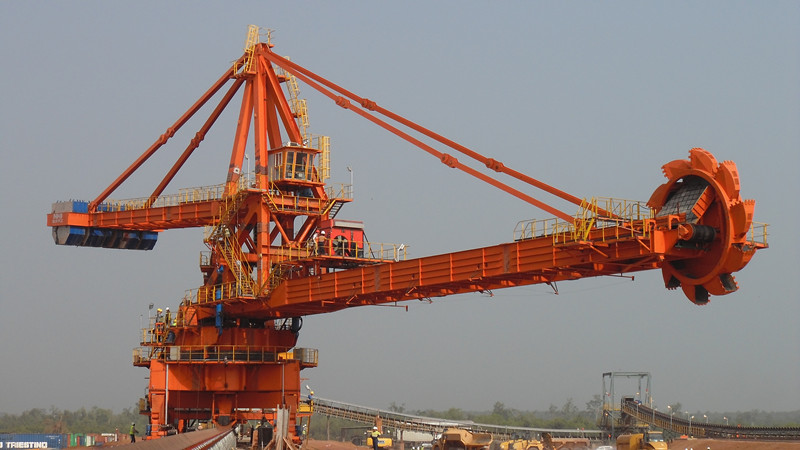
The main parts, like the bucket wheel and conveyor systems, are strong. Automation lets you control machines from far away and with more accuracy. You can trust your equipment to work well, even when things get hard.
Digital control makes things safer. Fewer people need to be near big machines. Automated material handling and robotic stacking lower mistakes. Sensors and IoT devices give you updates right away. You can act fast if something goes wrong. Safety gets better in these ways:
-
Automation in stacker reclaimer systems is growing because it makes operations safer.
-
Robotic stacking and automated handling mean less manual work, so there are fewer mistakes.
-
Sensors and IoT connectivity let you watch things in real time, so you can make throughput better and stop downtime.
Special systems help stop accidents. For example:
-
A GNSS-based position detection and anti-collision system helps you place big machines more exactly.
-
This system uses fewer sensors to find angles, so data is better and math is easier.
-
Real-time detection of minimum distances between cantilevers stops crashes, making work safer and smoother.
Automation and digital control make bulk material handling systems more reliable and much safer for everyone.
Stacker Reclaimer System Overview
Bulk Material Handling Role
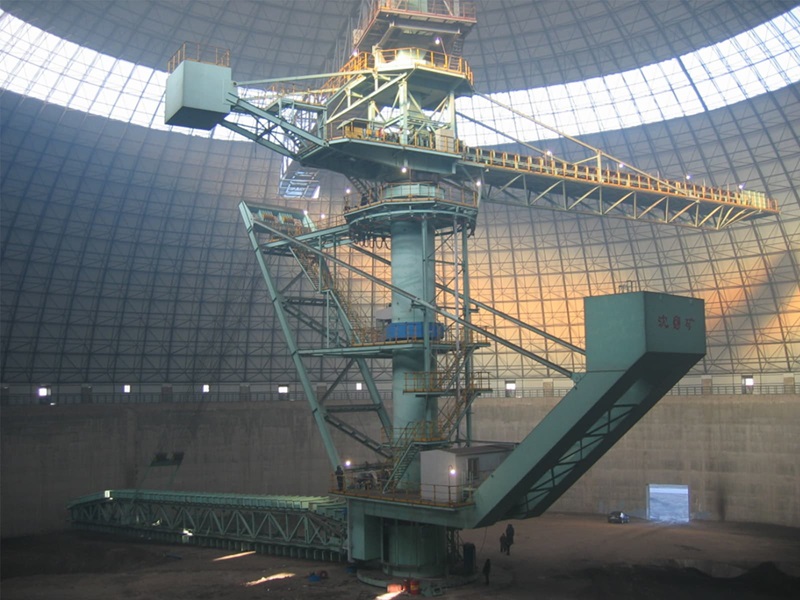
Stacker reclaimer systems help you move and store lots of materials. These machines handle things like minerals and biomass. They stack materials in piles and take them back when you need them. This makes your work faster and keeps things neat. Before, many workers and machines were needed for this job. Now, automation lets fewer people do more work with less equipment. There are fewer mistakes and the work area is safer. Automation also keeps materials in better shape. This saves money and helps you work better.
You use stacker reclaimers for many kinds of bulk material. Here are some examples:
|
Bulk Material Type |
Description |
|---|---|
|
Coal |
A main fuel used to make power and steel. |
|
Limestone |
Used to make cement and as a filler. |
|
Iron Ore |
Needed for steel, taken from mines. |
|
Aggregates |
Sand, gravel, and stone used in building. |
Note: Modern stacker reclaimers help you handle materials better and need less extra equipment.
Key Components
Stacker reclaimer systems have both mechanical and digital parts. Each part helps with bulk material handling. Mechanical parts are things like the substructure, superstructure, boom, slew arrangement, travel mechanism, luffing arrangement, and tripper. Digital parts are the electrical house, motor control centers, programmable logic controllers, and variable speed drives.
|
Component Type |
Description |
|---|---|
|
Mechanical |
Substructure, superstructure, boom, slew arrangement, travel mechanism, luffing arrangement, tripper. |
|
Digital |
Electrical house (e-house) with motor control centers (MCCs), programmable logic controllers (PLCs), variable speed drives (VSDs). |
Automation has changed how these parts work. You can now control the system from one room or a special cab. The system stacks piles by itself and remembers where each material is. This gives you more storage and mixes materials better. You spend less to run things and get more out of your machines.
Automation Components
Conveyor and Boom Control
You can make your stacker system better with new control features. Modern conveyor and boom control uses programmable logic controllers (PLCs) and human-machine interfaces (HMIs). These tools help you watch and change the boom more easily. Slew dynamic-braking upgrades help stop the machine safely and lower damage. The table below shows how these changes help your work:
|
Advancement |
Impact |
|---|---|
|
Slew dynamic-braking upgrade |
Makes stopping safer, lowers damage, and helps stop more exactly |
|
Programmable logic controllers (PLCs) |
Helps you watch and control the boom, so work is faster and easier |
|
Human-machine interfaces (HMIs) |
Lowers mistakes and keeps piles safer |
You get smooth work that does not stop often. Automated control lets you switch between stacking and reclaiming without stopping. Low-energy drive systems help you use less energy and protect nature. Automation makes things faster and more exact, so you save time and energy.
Machine Movement Automation
Automation lets you move your stacker with less work. Ultrasonic sensors find the edges of piles when reclaiming. Automated work means you need fewer workers. These systems help you be more exact and keep track of loads and paths. You also get a safer place to work because fewer people move heavy things. Modular conveyor systems let you add more parts as you need them.
-
Automation keeps workers safe by doing risky jobs.
-
Automated systems keep walkways open, so your site is safer.
Tip: Automated machine movement helps you change fast and keeps your work flexible.
Operation Modes: Manual to Automatic
You can pick from different ways to run your stacker. Manual mode gives you all the control, but it is slower. Semi-automatic mode mixes manual and automatic steps, which is good for small jobs or when you need to change things. Fully automatic mode uses new technology for the best speed and safety. The table below shows how these modes are different:
|
Operation Mode |
Description |
Efficiency Impact |
|---|---|---|
|
Manual |
Needs the operator to do everything. |
Slower because it depends on people. |
|
Semi-Automatic |
Mixes manual and automatic work, so the operator can help. |
Flexible and good for small places or when you need to save money. |
|
Fully Automatic |
Works with little help from people using new technology. |
Very fast, safe, and good for big jobs that never stop. |
You can use automation and drive systems that work well together. Distributed control systems let you control everything from one spot. These features make your stacker system smarter and help you work better.
Digital Control Technologies
PLCs and Central Control Units
Digital control helps your stacker reclaimer systems work well. PLCs and central control units are like the brains of the system. They check every sensor and input device. They use logic to decide what to do next. Then, they send commands to move the machines. This control happens right away, so your system can react fast. You get better results and fewer errors.
|
Function |
Description |
|---|---|
|
Input Monitoring |
PLCs get data from sensors and input devices. They watch how the machines are working. |
|
Logic Processing |
The CPU runs the logic program. It makes quick choices using the data it gets. |
|
Output Control |
Outputs turn on based on the logic. This controls how the machines move. |
PLCs work in real time. They use sensor data to control automated systems like stacker reclaimers. You can watch and record data as it happens. This helps you make your system better.
Integration with Digital Monitoring
Digital monitoring brings big improvements to your stacker reclaimer systems. It helps you make smarter choices and run things better. AI and machine learning help you plan when to stack and reclaim. You can find problems early and fix them before they stop your work. Visual recognition and sensors help you see material levels and spot issues fast.
-
Predictive maintenance uses sensor data to guess what equipment needs.
-
Automation and integration lower mistakes and make things safer.
-
Energy management gets better by using motors smarter and saving power.
-
Data analytics help you find ways to keep improving.
Tip: Watching things in real time and using network integration helps you act fast and keep your stockyard working well.
Data-Driven Optimization
Data-driven optimization helps your stacker reclaimer system work better. Digital control lets you track how things are going and find patterns. You can focus on keeping hydraulic systems working, check oil quality, and plan regular checks. Watching performance helps you see how well machines do their jobs. Some places use unmanned stacker reclaimers for safer and better work in dusty areas.
|
Optimization Technique |
Description |
|---|---|
|
Hydraulic System Maintenance |
Keep oil clean and check often to make machines more reliable. |
|
Performance Monitoring |
Always check how stacker reclaimers are working to make them more efficient. |
|
Unmanned Operation |
Use unmanned stacker reclaimers to make work safer and better in dusty places. |
Digital transformation solutions help you guess what you need, avoid running out, and lower storage costs. You make smarter choices about inventory and react quickly to changes. Good forecasting means you always have the right materials. Better storage keeps costs down.
When you use automation and digital control, you get many good things. These systems help you spend less money on workers. Your machines work longer and do not stop as much. You also have fewer problems and fixing things is easier.
-
Automation lets machines run for more hours and need less fixing.
-
Digital control finds problems early, so you can fix them before they break.
-
You use less power and follow safety rules.
|
Future Trend |
What It Means for You |
|---|---|
|
IoT and AI integration |
Tells you when to fix things and makes work faster |
|
Energy-saving drives |
Saves money and helps the planet |
In the future, you will see even smarter tools and ways to save energy.
FAQ
What is a stacker reclaimer and how does it work?
A stacker reclaimer helps you move and stack bulk materials. It puts materials in piles and takes them back when you need them. This keeps your stockyard neat and helps you work faster.
Why should you choose an automated stacker reclaimer solution?
Automated stacker reclaimers make work faster and safer. You can control them from far away and do less manual work. This helps you get more done and lowers the chance of accidents. Your materials stay in better shape too.
How do digital control systems improve stacker reclaimer productivity?
Digital control systems let you watch every part of your stacker reclaimer. You see data right away and can make quick choices. These systems help you find problems early and keep machines working longer. You get more work done because there are fewer stops.
Can you connect stacker reclaimer systems to a network?
You can link stacker reclaimer systems to a network. This lets you share data and watch machines from anywhere. You can work together better and react faster when things change.
What maintenance does a reclaimer need for best performance?
Check oil, look at hydraulic systems, and clean sensors often. Doing regular checks keeps your reclaimer working well. You stop breakdowns and keep work going strong. Automated alerts help you plan fixes before trouble starts.



 IPv6 network supported